Hotline:
0238.777.2222
 Email:
booking@quangkhoi.org




Standing Deputy Minister of Health Vu Manh Ha: Moving Traditional Medicine from Experience-Based Preservation to Strategic Development
At a meeting to develop Vietnam's National Strategy for Traditional Medicine Development through 2030, with a vision toward 2045, Standing Deputy Minister of Health Vu Manh Ha emphasized the need to advance traditional medicine through a modern, scientific, evidence-based, and systematic approach that supports international integration...
At the same time, the strategy aims to preserve the unique identity of traditional Vietnamese medicine, effectively utilize medicinal resources and traditional knowledge, and contribute to improving the quality of healthcare for the Vietnamese people...
Developing a National Strategy for Traditional Medicine in a New Era
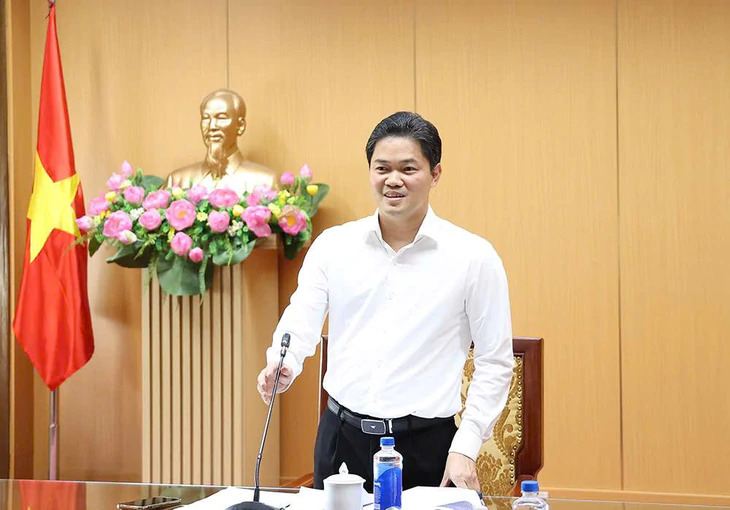
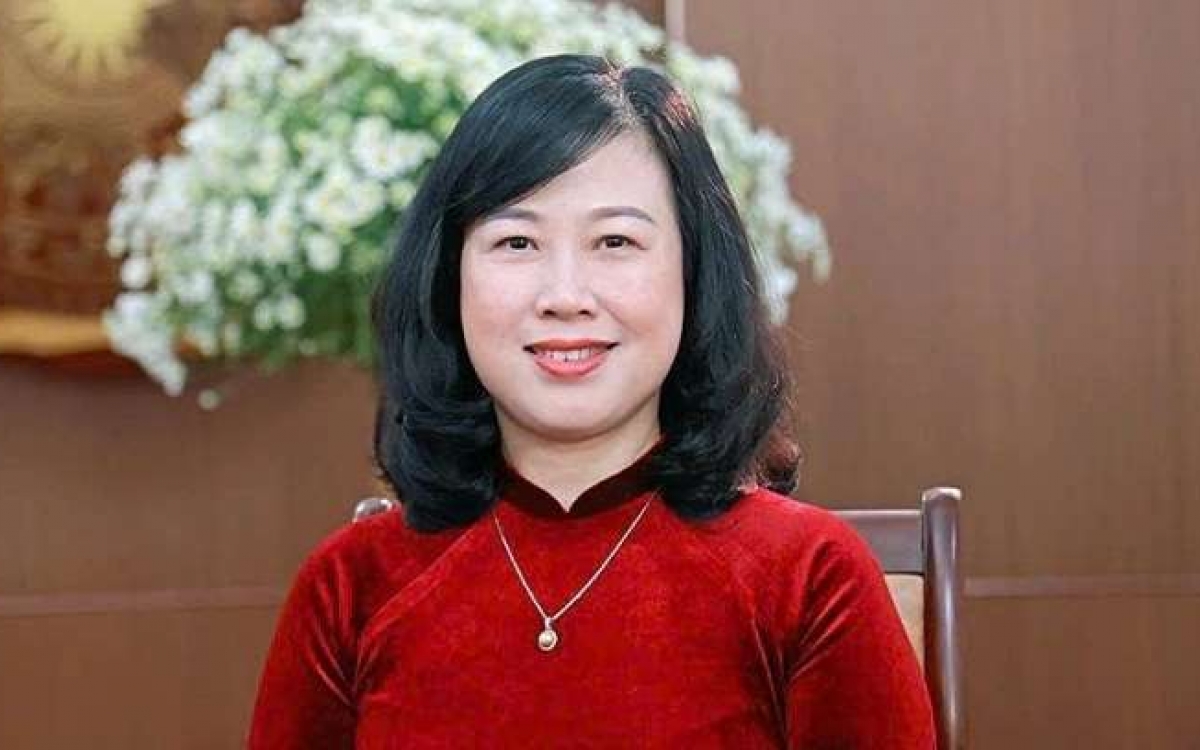
Dr. Vu Manh Ha, Alternate Member of the Communist Party of Vietnam Central Committee and Standing Deputy Minister of Health, chairs the meeting. Photo: Tran Minh
On the afternoon of August 12, 2026, at the headquarters of the Ministry of Health, Dr. Vu Manh Ha, Alternate Member of the Communist Party of Vietnam Central Committee and Standing Deputy Minister of Health, chaired a meeting with the Drafting Committee and Editorial Group responsible for developing Vietnam's National Strategy for Traditional Medicine Development through 2030, with a vision toward 2045.
The Drafting Committee and Editorial Group, headed by Standing Deputy Minister Vu Manh Ha, were established under Decision No. 2260/QD-BYT dated July 23, 2026, issued by the Minister of Health.
The development of the Strategy is grounded in the Party's consistent policies on preserving, inheriting, promoting, and modernizing traditional medicine. It also emphasizes the close integration of traditional medicine with modern medicine, thereby strengthening the role of traditional healthcare in protecting, caring for, and improving public health.
The Strategy also seeks to implement the directions outlined in Notice No. 68-TB/VPTW dated May 26, 2026, issued by the Office of the Party Central Committee, concerning the conclusions of General Secretary and State President To Lam during a working session with the Party Committee of the Ministry of Health on the development of Vietnam's traditional medicine sector.
The draft Strategy closely follows seven key tasks identified in Notice No. 68-TB/VPTW. These include institutional development and state management as essential foundations; comprehensive healthcare as the central objective; human resources, science, technology, and data as driving forces; medicinal resources as the material foundation; preservation of traditional knowledge as a core priority; and intellectual property, markets, branding, and international cooperation as mechanisms for transforming traditional medical knowledge into sustainable value.
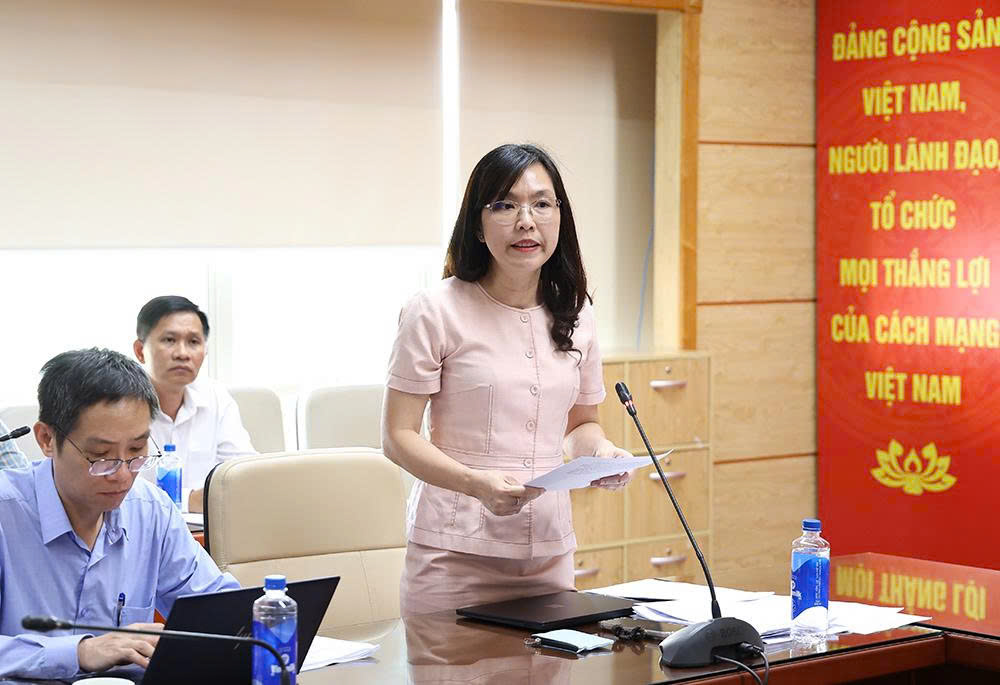
Trinh Thi Dieu Thuong, Director of the Administration of Traditional Medicine and Pharmacy, delivers her remarks. Photo: Tran Minh
Traditional Medicine as a Cultural, Scientific, and Economic Resource
The draft Strategy identifies five principal perspectives guiding the development of traditional Vietnamese medicine.
Accordingly, developing traditional medicine and pharmacy is a strategic policy of the Party and State and a regular, long-term responsibility. Traditional medicine is recognized as an important component of the national healthcare system, contributing to the protection, care, and improvement of public health.
Traditional medicine is also regarded as a valuable cultural, scientific, and economic resource, as well as an element of national soft power. Its development should be closely connected with the health economy, green economy, circular economy, medical tourism, and sustainable development, reflecting Vietnam's spirit of independence and self-reliance.
Another important perspective is the development of traditional medicine and pharmacy on the foundation of traditional medical knowledge, guided by modern, scientific, and evidence-based approaches. This development should be patient-centered, ensuring quality, safety, effectiveness, and equitable access to healthcare services.
In addition, the Strategy calls for the coordinated development of the entire traditional medicine ecosystem. The Government should introduce mechanisms and policies that encourage and attract private and social investment in traditional medicine while promoting its integration with modern medical practices.
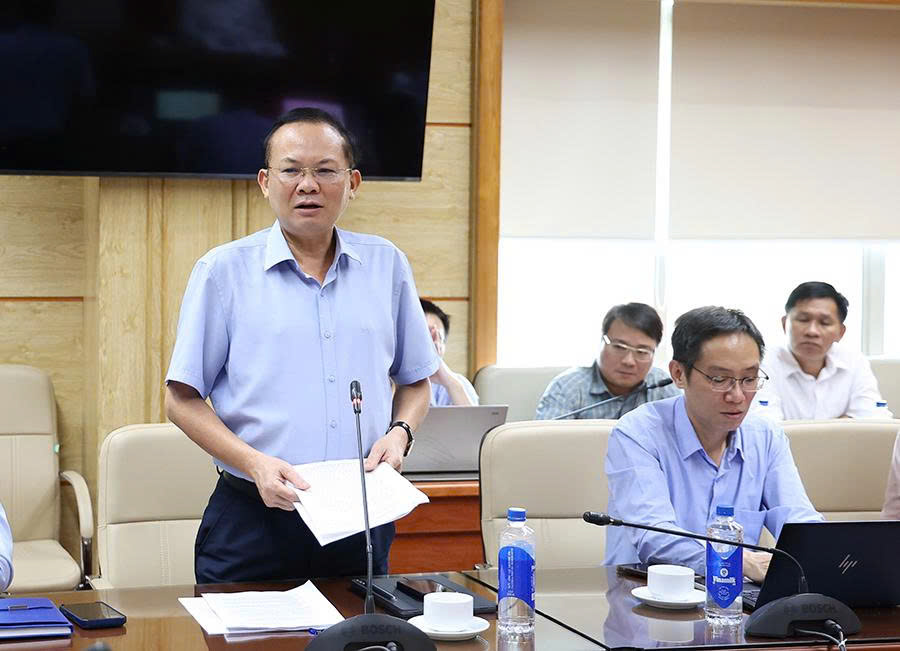
A representative of the Central Propaganda and Education Commission delivers remarks. Photo: Tran Minh
During the meeting, members of the Drafting Committee and Editorial Group carefully reviewed, analyzed, and contributed recommendations to the draft Strategy, beginning with a comprehensive assessment of the current state of traditional medicine in Vietnam across various sectors.
Key areas of discussion included state management; healthcare service delivery; the medicinal herb industry; healthcare financing and health insurance; human resources; scientific research, technology, and digital transformation; preservation and promotion of the medical and cultural values of traditional Vietnamese medicine; intellectual property protection; market development; national branding; and international cooperation.
Delegates also discussed and clarified the scope of nine major groups of solutions, including improving the effectiveness and efficiency of state management; strengthening the role of traditional medicine in comprehensive healthcare throughout the human lifespan; developing the medicinal herb industry into a strategic national economic sector while ensuring the security and safety of medicinal resources; and accelerating scientific research, technological innovation, and digital transformation to standardize and modernize traditional Vietnamese medicine.
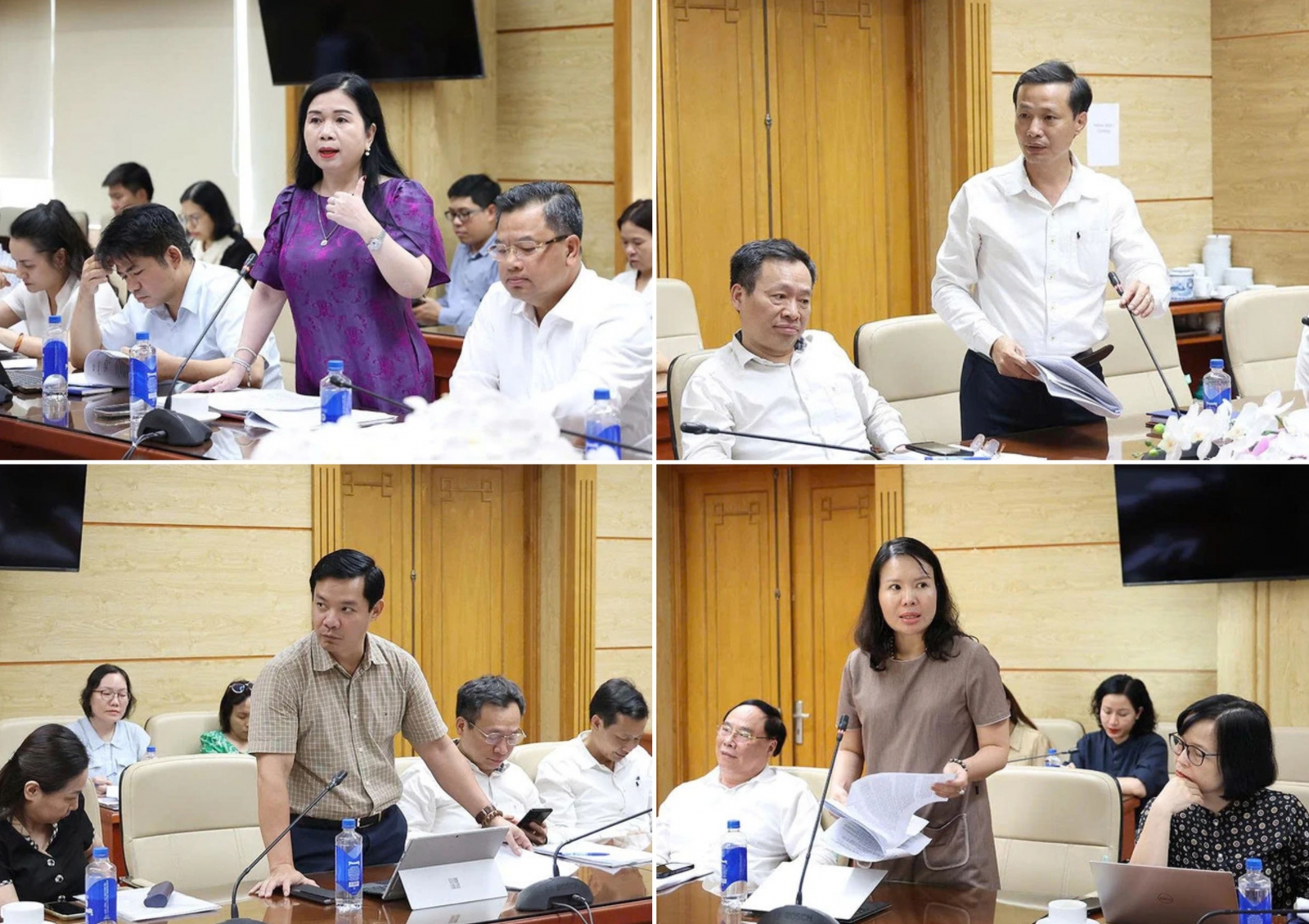
Representatives of departments, administrations, and centers under the Ministry of Health share their views. Photo: Tran Minh
Additional solutions include developing highly qualified human resources; preserving, inheriting, and promoting the medical and cultural heritage of traditional medicine; protecting intellectual property; expanding markets; establishing a national brand; strengthening international cooperation; promoting public education and awareness of traditional medicine; and enhancing inspection, examination, and supervision.
Many participants focused on the Strategy's overall objectives and specific targets through 2030, with a long-term orientation toward 2045. Recommendations included reviewing indicators related to healthcare personnel, the number of traditional medicine hospitals, professional positions, the allocation of responsibilities among central ministries, government agencies, and provincial People's Committees, as well as the standardization of traditional medicine products.
Advancing Traditional Medicine Through Evidence-Based and Systematic Development
In his concluding remarks, Standing Deputy Minister of Health Vu Manh Ha acknowledged the valuable contributions and recommendations made by members of the Drafting Committee and Editorial Group.
He affirmed that developing Vietnam's National Strategy for Traditional Medicine Development through 2030, with a vision toward 2045, carries significant importance for healthcare, socioeconomic development, and the preservation of national cultural heritage. The Strategy is expected to contribute to improving the quality of healthcare services and protecting public health.
The Standing Deputy Minister requested the Health Strategy and Policy Institute and the Administration of Traditional Medicine and Pharmacy to coordinate in incorporating delegates' feedback, conducting a comprehensive review, and revising the draft Strategy to ensure clarity, scientific rigor, and conciseness while maintaining comprehensive and meaningful content.
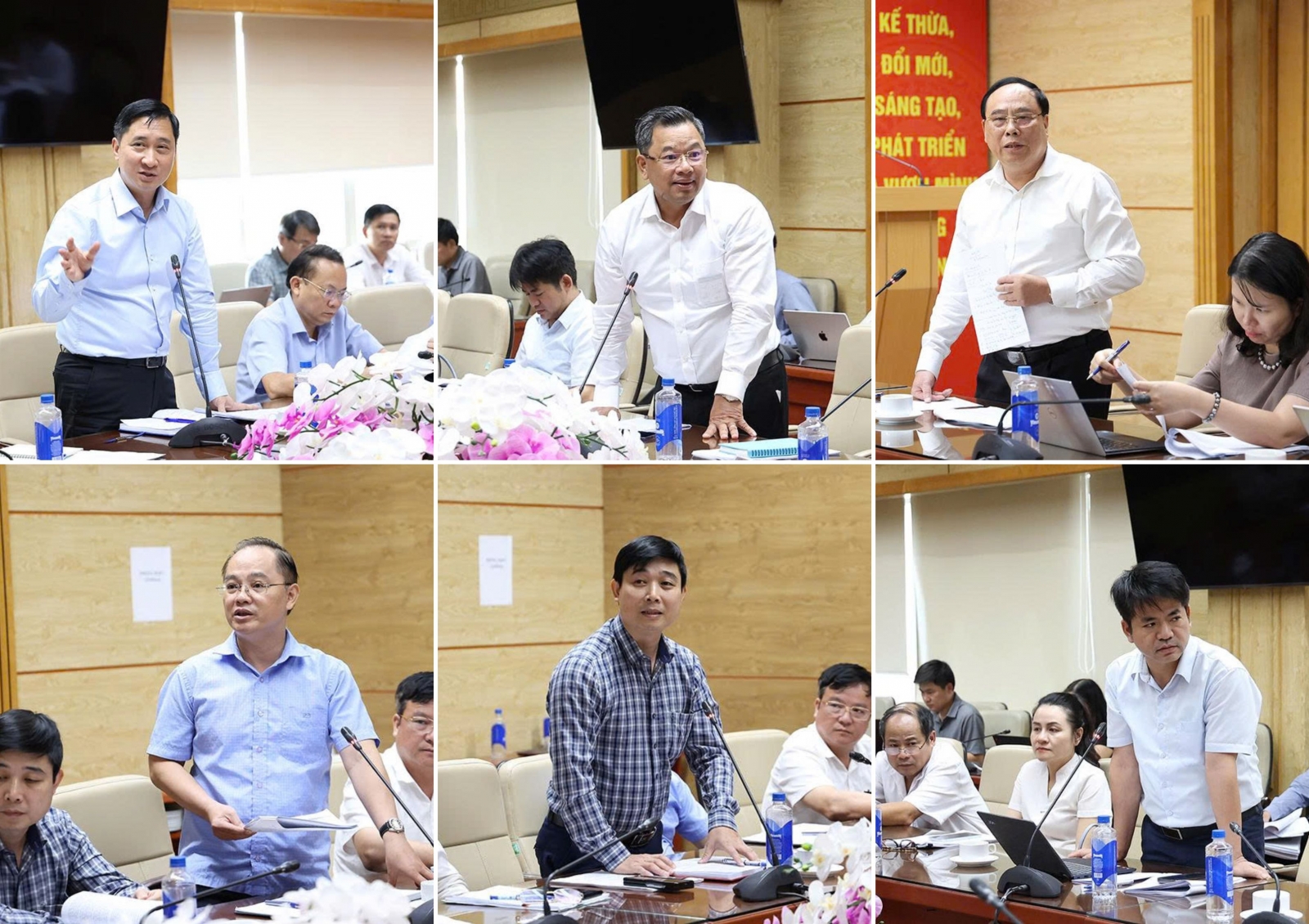
Delegates share their opinions during the meeting. Photo: Tran Minh
Notably, Standing Deputy Minister Vu Manh Ha proposed several additional areas for consideration in the draft Strategy. These included promoting the development and application of traditional medicinal remedies and formulas, exploring options to increase reimbursement rates for traditional medicine consultations and treatments, and developing effective solutions for training qualified traditional medicine practitioners.
He also called for greater application of technology, digital transformation, and green transition initiatives, alongside the effective development and conservation of valuable Vietnamese medicinal plant genetic resources. Highly feasible tasks should be incorporated into short-term implementation plans, while broader strategic and long-term directions should be established to support the vision toward 2045.
The Standing Deputy Minister further emphasized the importance of creating favorable conditions and encouraging private sector investment in traditional medicine. He also highlighted the need to strengthen decentralization and delegation of authority, enabling local governments to participate more actively in managing and developing the sector.
According to Standing Deputy Minister Vu Manh Ha, the fundamental purpose of developing the Strategy is to transform traditional medicine from a field primarily preserved and developed through practical experience into one guided by strategic planning, scientific evidence, systematic development, and international integration.
This approach aims to preserve the unique identity of traditional Vietnamese medicine while making effective use of medicinal resources and traditional knowledge, ultimately contributing to improved healthcare quality for the Vietnamese population.
The Standing Deputy Minister instructed the Administration of Traditional Medicine and Pharmacy to fulfill its role as the coordinating agency, promptly organize and prepare the required submission documents, and finalize the draft for broad public and stakeholder consultation. These steps will provide the foundation for completing the Strategy according to the established schedule.
Source: Suc Khoe & Doi Song (Health & Life Newspaper)

Medical Tourism in Vietnam: Planning Your Healthcare Journey with Quang Khoi
Medical tourism in Vietnam is an increasingly relevant topic for international travelers considering Vietnam as a destination for medical services. For domestic travelers, it also reflects the need to visit another region for medical examinations, professional consultations, or specialized healthcare while arranging suitable accommodation.
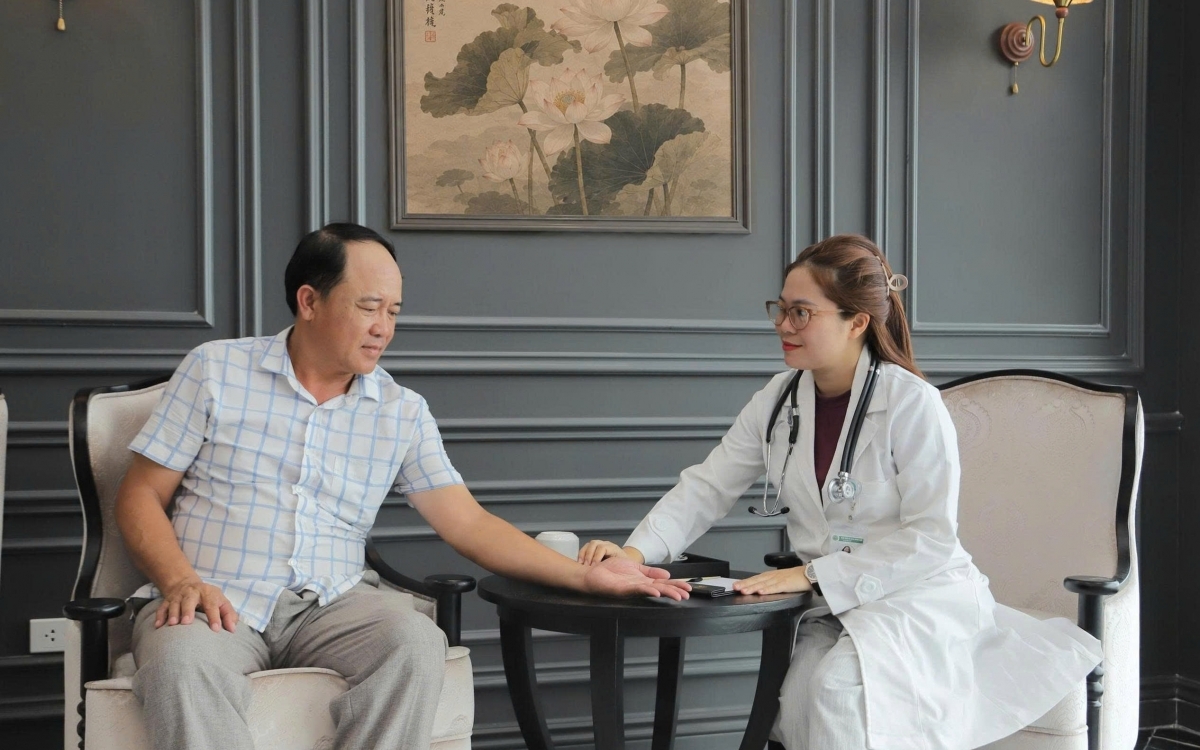
Medical Wellness Resort Vietnam: Combining Relaxation and Healthcare at Quang Khoi
The concept of a medical wellness resort Vietnam reflects growing interest in destinations that combine relaxing accommodation with wellness programs incorporating elements of professional healthcare. Travelers exploring this concept often want to understand more than just the accommodation itself: What does each program include? Who oversees the professional services? And how are the different experiences coordinated?
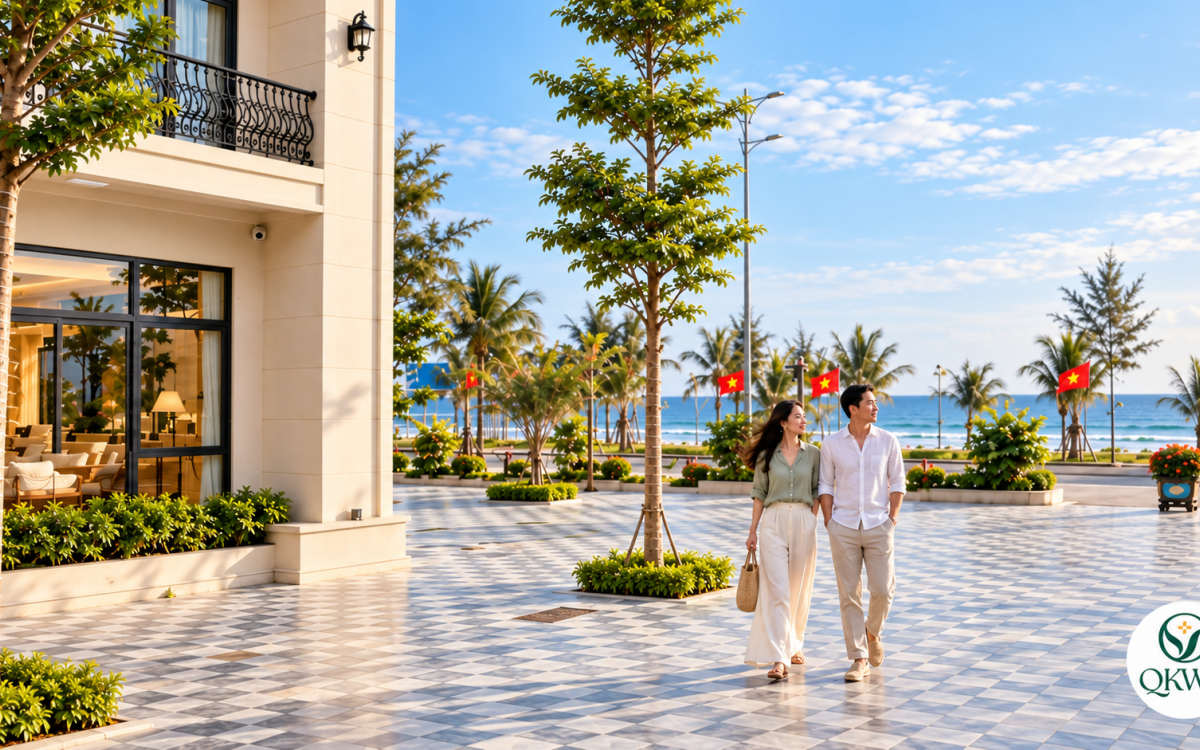
Wellness Retreat Vietnam: A Slow Travel Experience at Quang Khoi
Amid demanding work schedules and the pressures of everyday life, sometimes all you need is a getaway that allows you to truly rest. Instead of waking up early to follow a packed sightseeing itinerary or constantly moving between destinations, you can begin your day with a leisurely breakfast and enjoy activities at your own pace. This is the philosophy behind the growing interest in wellness retreat Vietnam experiences, where relaxation and meaningful travel come together with a greater focus on physical and mental well-being.
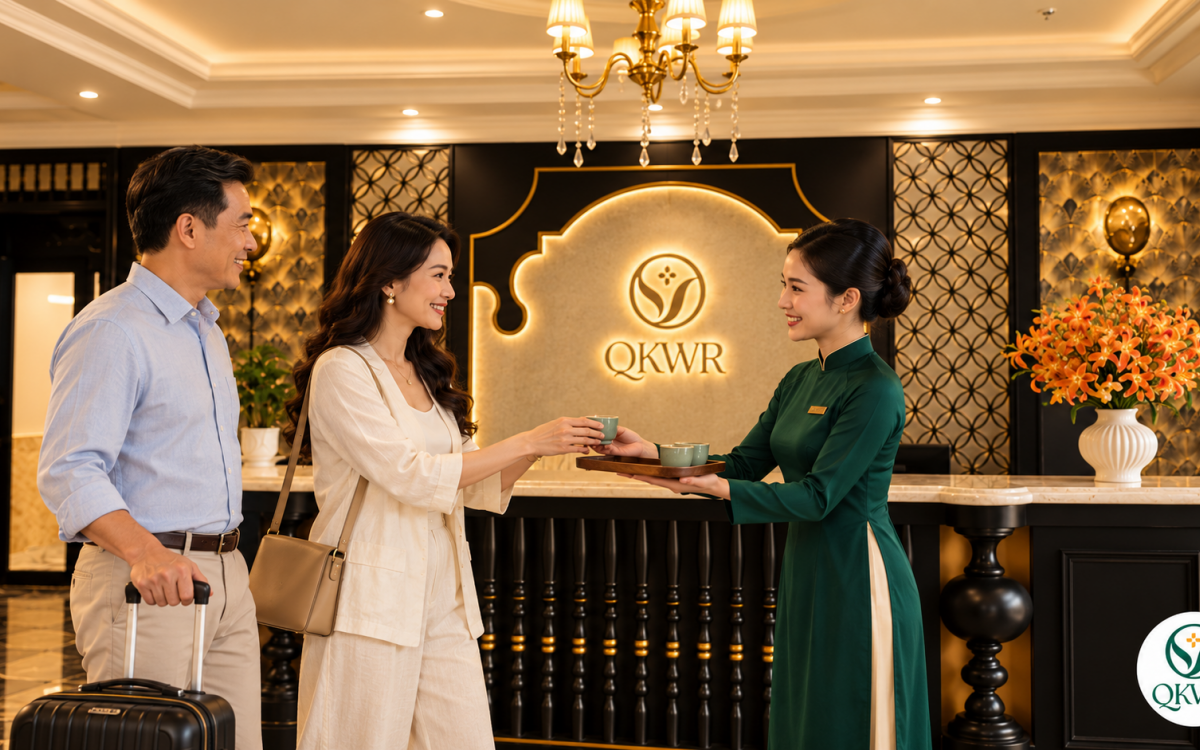
Luxury Retreats in Nghe An, Vietnam: Ambience and Service Quality
Luxury retreats in Nghe An, Vietnam, are about more than beautifully designed rooms or impressive decorative details. For travelers investing their time and budget in a premium getaway, true value also comes from privacy, transparent information, and seamlessly coordinated services. A thoughtfully arranged retreat allows you to spend less time managing small details and more time enjoying the experiences that matter most to you.

Holistic Healthcare in Nghe An, Vietnam: From Personal Needs to a Tailored Wellness Plan
Holistic healthcare in Nghe An, Vietnam, should not be understood as using as many services as possible during a single visit. A more practical approach is to consider your personal well-being in connection with your daily routine, work, rest, and professional healthcare when necessary. For travelers seeking a wellness-focused getaway, the key question is how the experience can help them better understand their needs and develop a more balanced approach to personal health and well-being.
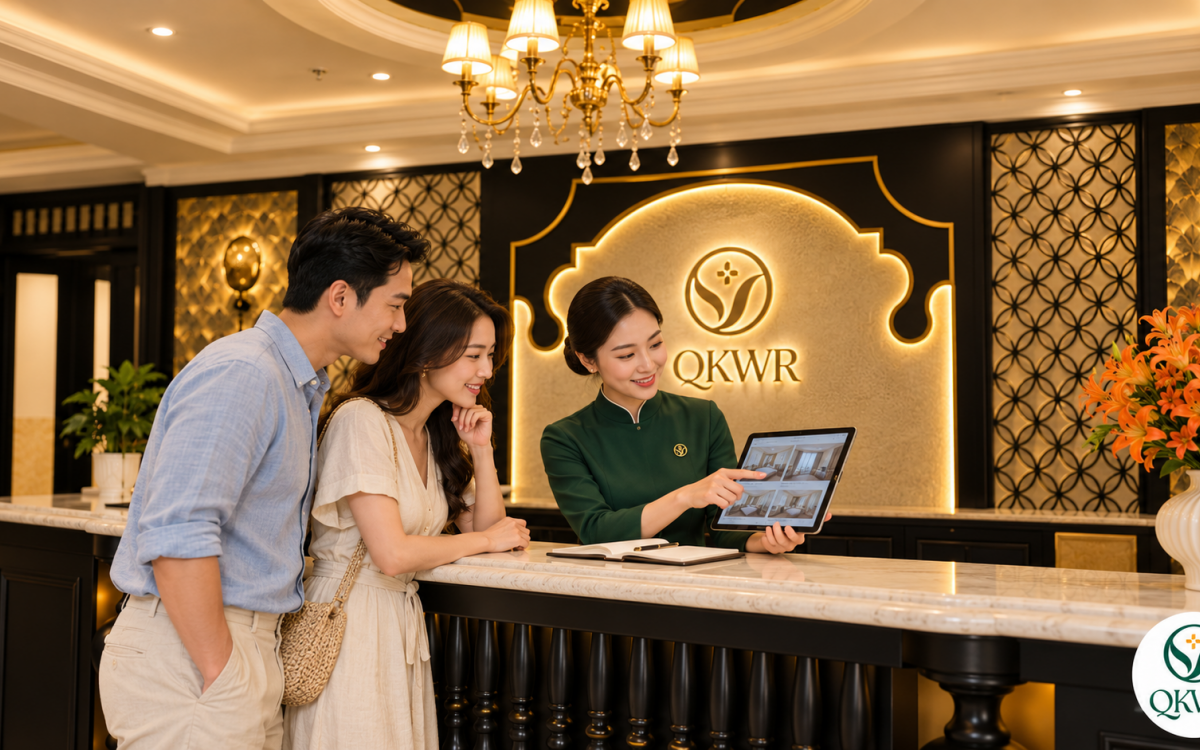
Quynh Beach Hotels in Nghe An, Vietnam: What to Ask Before Booking
Quynh Beach hotels in Nghe An, Vietnam, are an appealing choice for travelers looking to enjoy a relaxing coastal getaway. However, beyond attractive photographs, it is important to understand the exact room location, beach accessibility, and accommodation conditions before making a reservation. A satisfying seaside holiday is not just about beautiful scenery; it also depends on finding accommodation that suits your group size, daily routine, and planned budget.
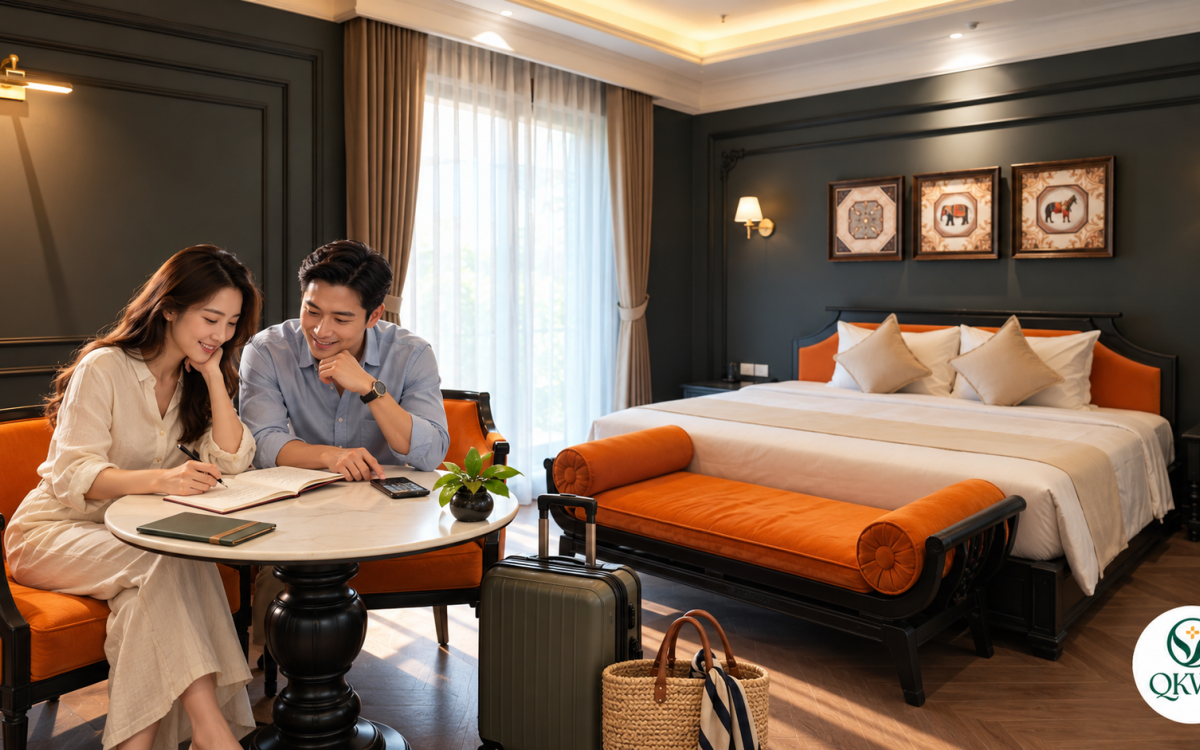
Weekend Getaways at Resorts in Nghe An, Vietnam: Budget Planning Guide
Finding a resort in Nghe An, Vietnam, for a weekend getaway does not necessarily mean starting with the lowest room rate. What matters most is choosing an option that fits your overall budget while allowing enough time to enjoy your trip. An attractively priced room may become less appealing if transportation is inconvenient or unexpected expenses arise. On the other hand, a clearly explained package helps you understand where your money goes, what is worth prioritizing, and which extras you can comfortably skip.
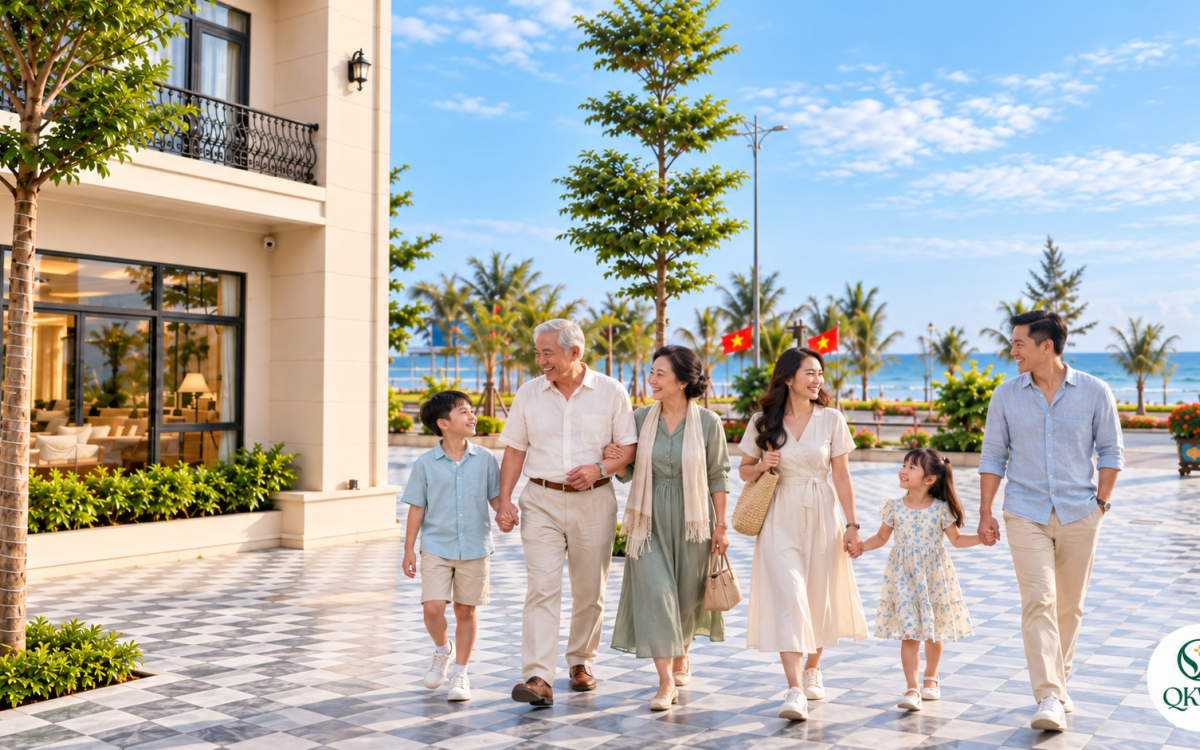
Resorts in Nghe An, Vietnam for Multigenerational Family Getaways
Choosing a resort in Nghe An, Vietnam, for a multigenerational family getaway means balancing the different preferences and needs of family members. Young children may enjoy exploring new surroundings, adults may want a refreshing change of scenery, while grandparents often prioritize comfort, convenience, and quality time together. Rather than creating a packed itinerary that everyone must follow, consider choosing suitable accommodation and planning a combination of shared experiences and personal time. This approach can make the holiday more enjoyable and relaxing for the entire family.
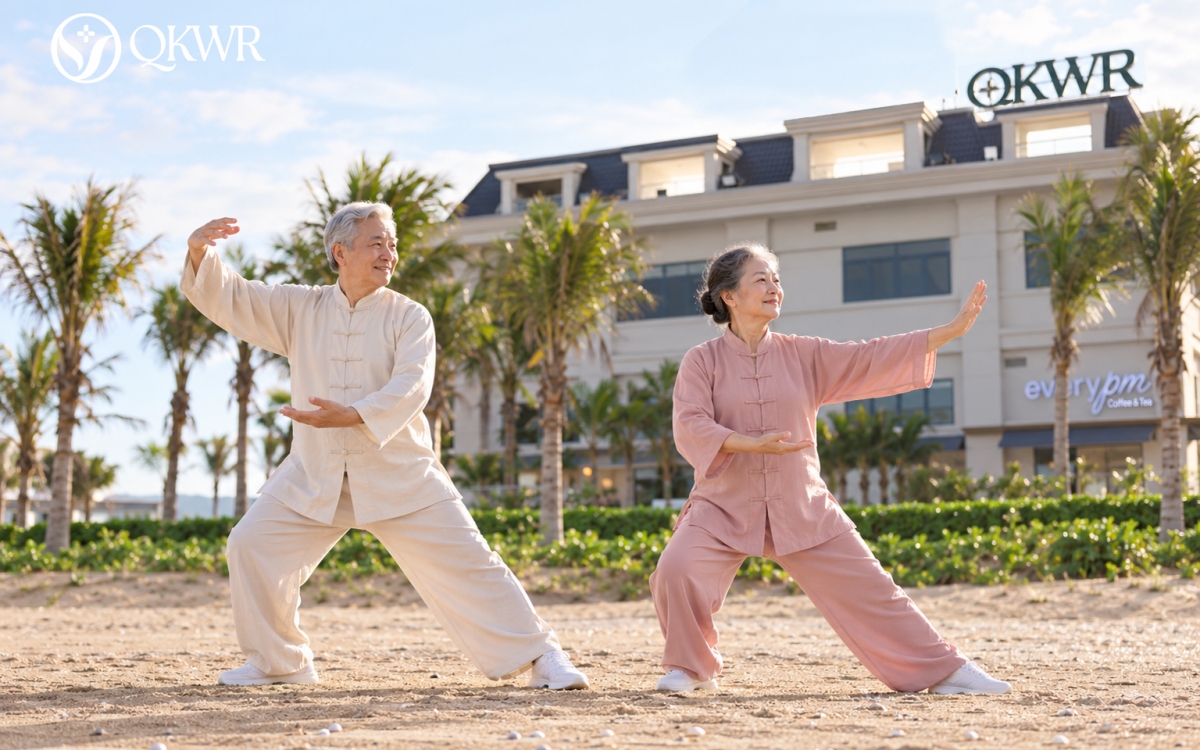
Wellness Tourism in Nghe An, Vietnam: Embracing Slow Travel
Wellness tourism in Nghe An, Vietnam, can begin with a simple change in how you plan your journey: making time for relaxation before adding sightseeing activities. For travelers who want to explore local attractions while also enjoying personal downtime, slow travel offers a more flexible and meaningful experience. You can still discover local culture, cuisine, and beautiful landscapes without constantly moving from one destination to another or trying to complete an extensive sightseeing checklist.
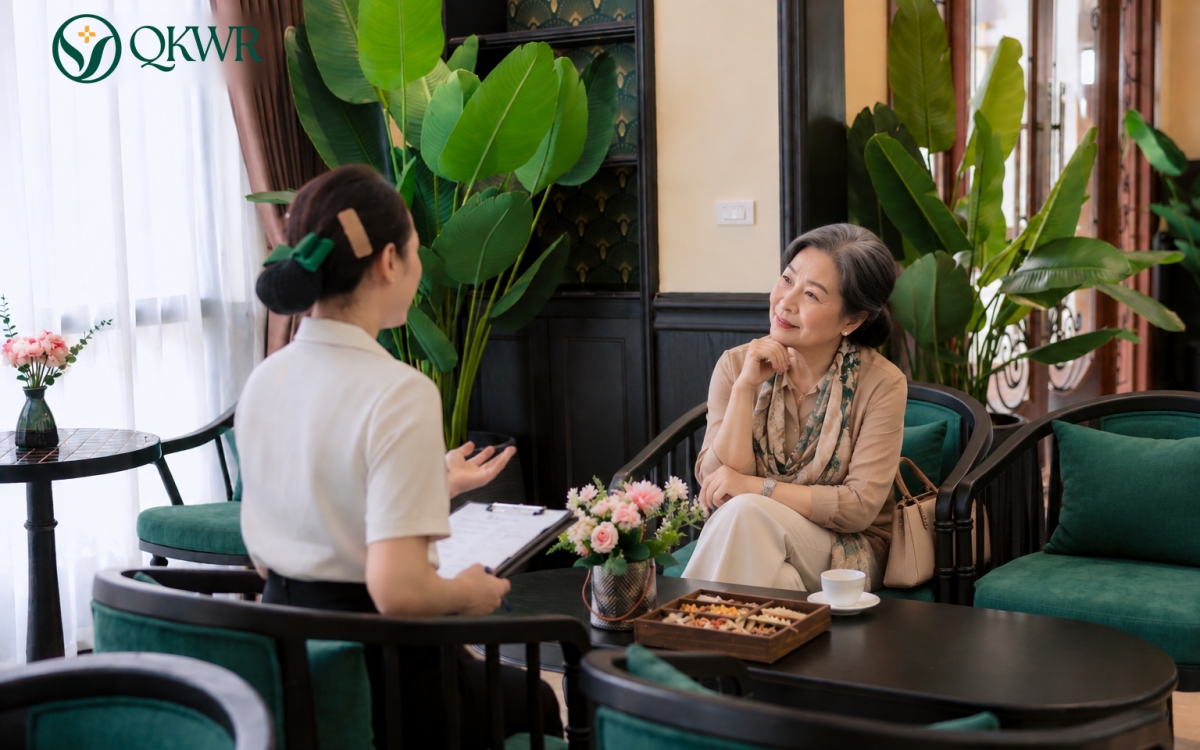
Wellness Resorts in Vietnam: How to Compare Experiences
When searching for wellness resorts in Vietnam, you will discover a wide variety of options, each offering different styles, locations, and price ranges. Some resorts emphasize natural surroundings, while others focus on spa experiences or specialized wellness programs. The most effective way to compare these destinations is not to look for the longest list of services, but to identify which resort best matches your travel goals, accessibility needs, and preferred way of spending your holiday.
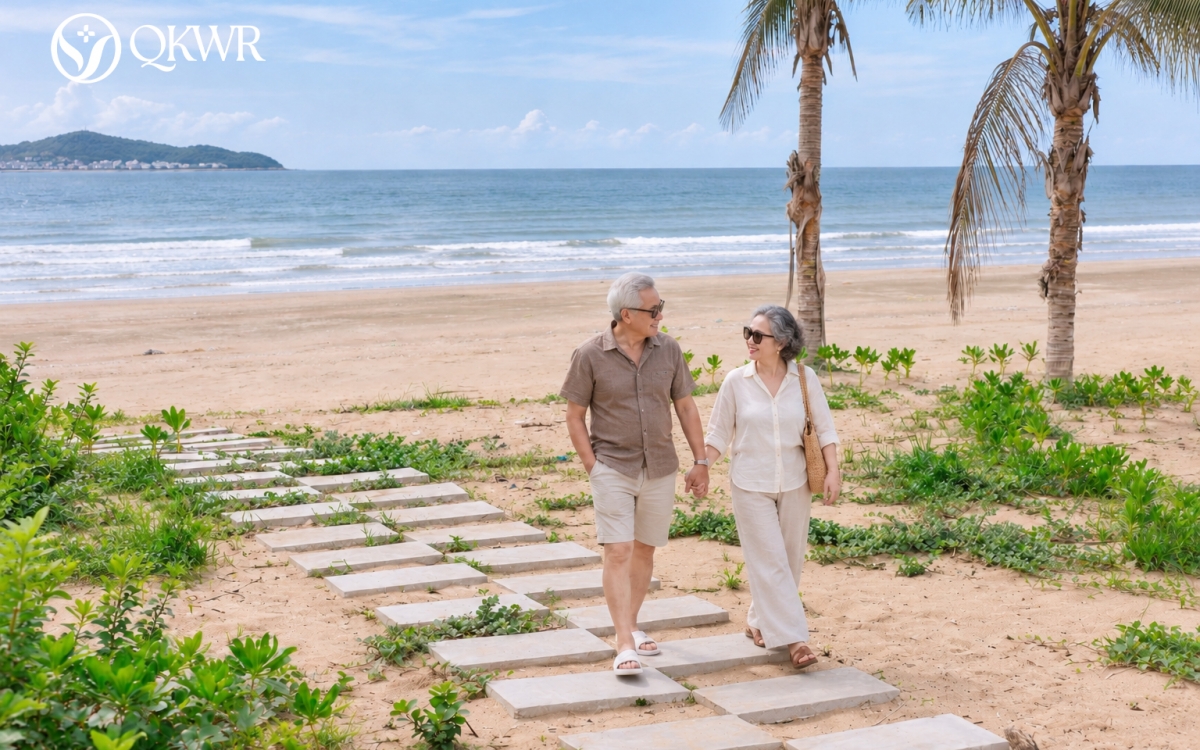
What Is a Wellness Resort and Who Is It Best Suited For?
A wellness resort is generally a destination that combines comfortable accommodation with experiences designed to support personal well-being and quality of life. However, the range of services can vary significantly from one property to another. Some resorts focus primarily on spa treatments and relaxation, while others may offer wellness consultations or specialized healthcare services. Understanding these differences can help you choose the right type of retreat and avoid expectations that go beyond what is actually available.
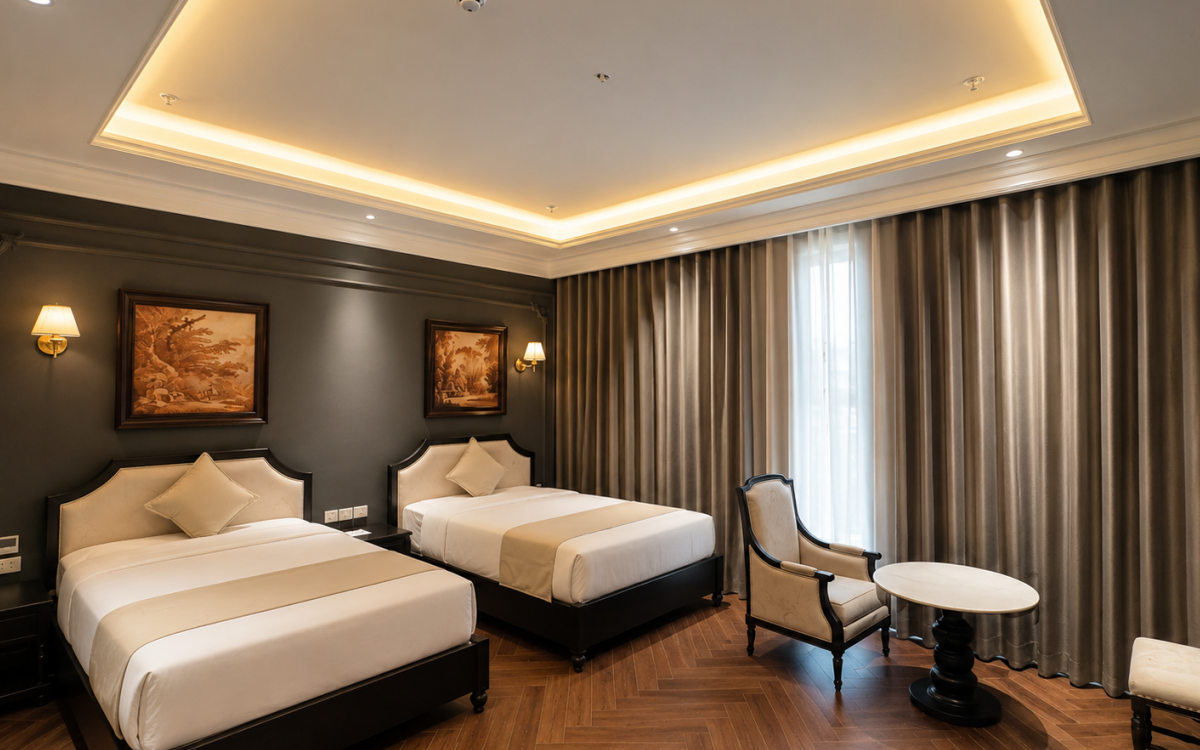
Restorative Wellness Resorts in Nghe An, Vietnam: How to Choose the Right Room
When searching for a restorative wellness resort in Nghe An, Vietnam, many travelers initially focus on wellness programs and available treatments. However, accommodation is where you will spend most of your time during the trip. A comfortable room, convenient accessibility, and well-organized daily routines can significantly influence your overall experience. Therefore, it is important to evaluate accommodation based on the actual needs of each guest, particularly when traveling with companions or requiring additional assistance.
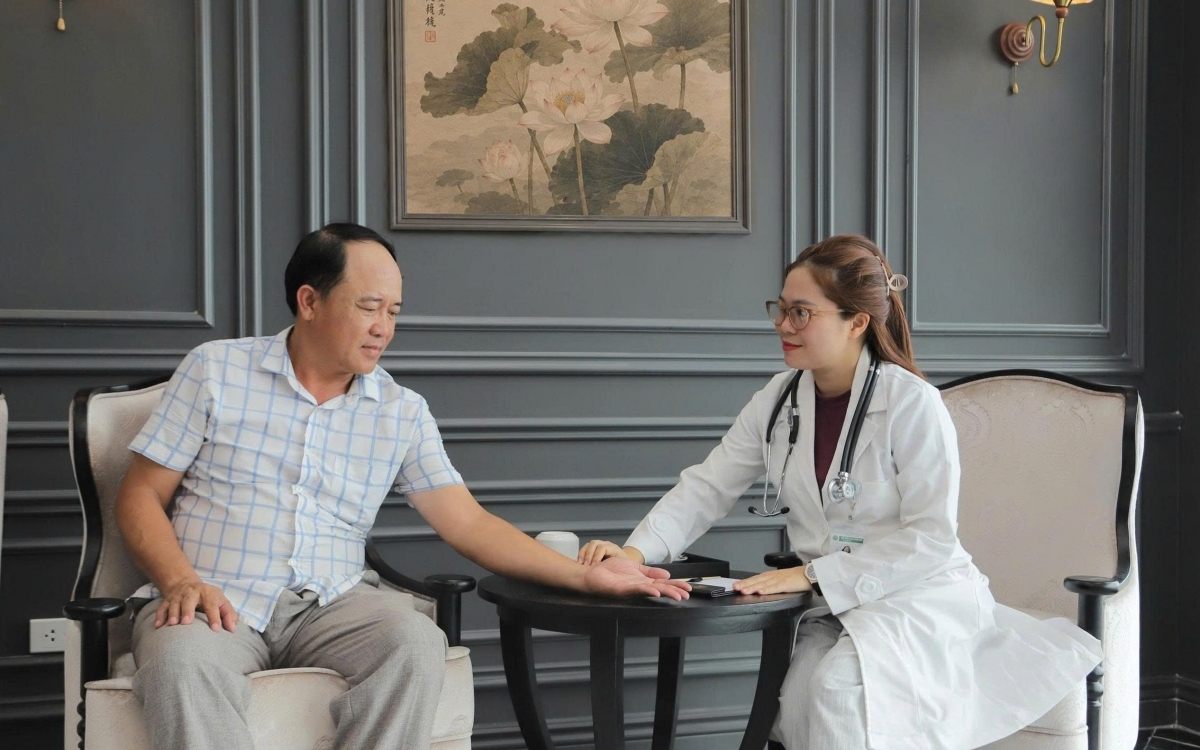
Therapeutic Wellness Retreats in Nghe An: Understanding Wellness Programs
Therapeutic wellness retreats in Nghe An are attracting growing interest from travelers who want to combine a relaxing getaway with personalized wellness experiences. However, the term "therapy" can refer to a wide range of services, from relaxing spa treatments to professional medical care. Before choosing a wellness program, it is important to understand what the services involve, who provides them, and what outcomes can realistically be expected.
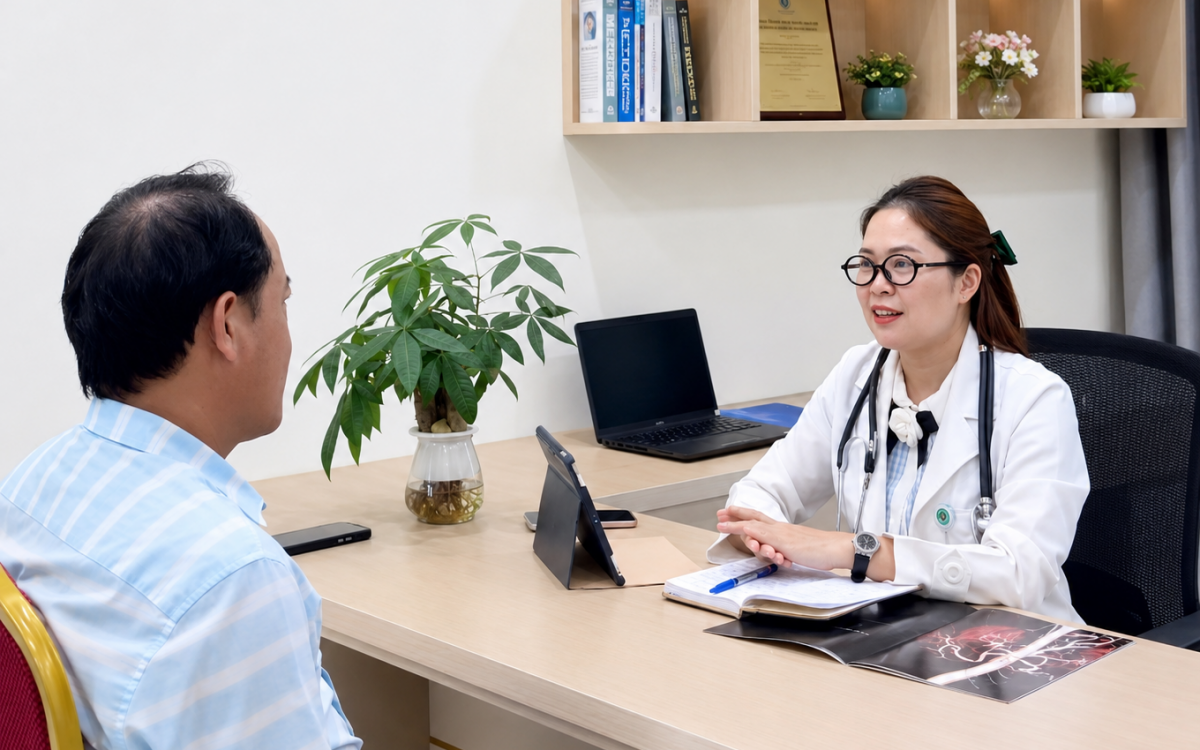
Medical Tourism in Nghe An, Vietnam: Essential Pre-Travel Checklist
Medical tourism in Nghe An, Vietnam, requires careful planning when a trip involves medical examinations, professional consultations, or healthcare services combined with accommodation. Unlike a conventional holiday, the decision should not begin with attractive hotel rooms or sightseeing itineraries. Instead, it is essential to understand which healthcare facility will provide the services, who will be responsible for your care, which services are appropriate for your needs, and what follow-up arrangements will be necessary after your visit. Thorough preparation helps ensure a more organized and well-managed journey.
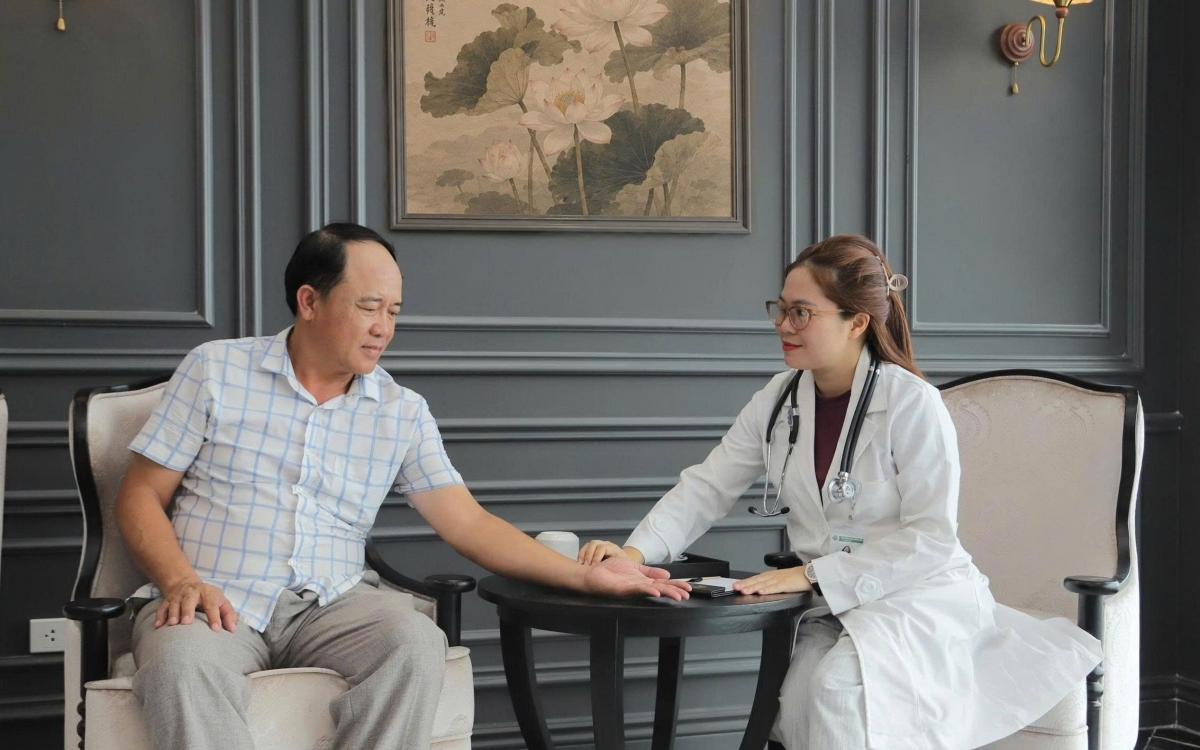
Restorative Wellness Retreats in Nghe An, Vietnam: How to Prepare for Your Trip
Restorative wellness retreats in Nghe An, Vietnam, can serve different purposes: taking a break after a demanding period at work, enjoying a change of environment, or staying somewhere while receiving specialized healthcare support. Understanding the differences between these needs is an important first step when choosing a destination. A relaxation program is not the same as medical rehabilitation, and both the length of stay and the level of support required should be determined according to each individual's circumstances.
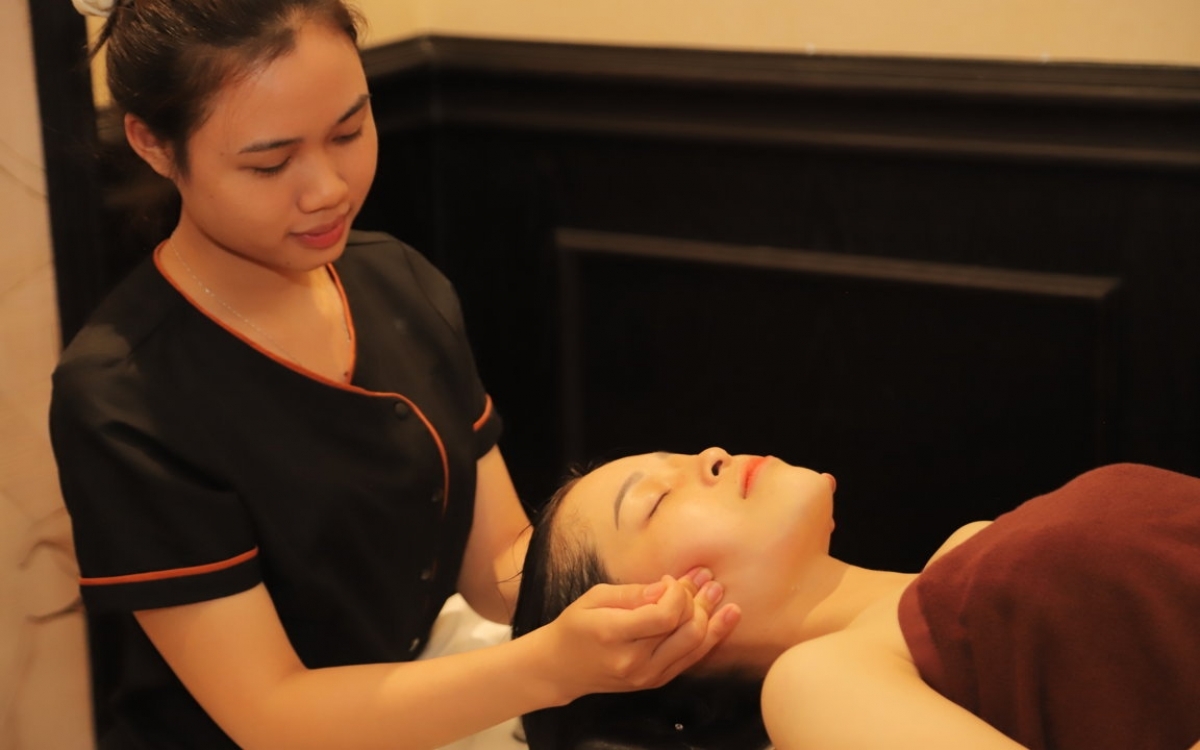
Wellness Resorts in Nghe An, Vietnam for Busy Professionals
Searching for a wellness resort in Nghe An often begins with a simple goal: stepping away from a demanding work schedule for a few days of slower living. However, changing locations does not automatically create a true break. If your phone keeps buzzing with work notifications and your itinerary is filled from morning to night, you may not get the rest you actually need. A well-planned getaway should begin before check-in day, from how you hand over your work responsibilities to how you choose your activities.
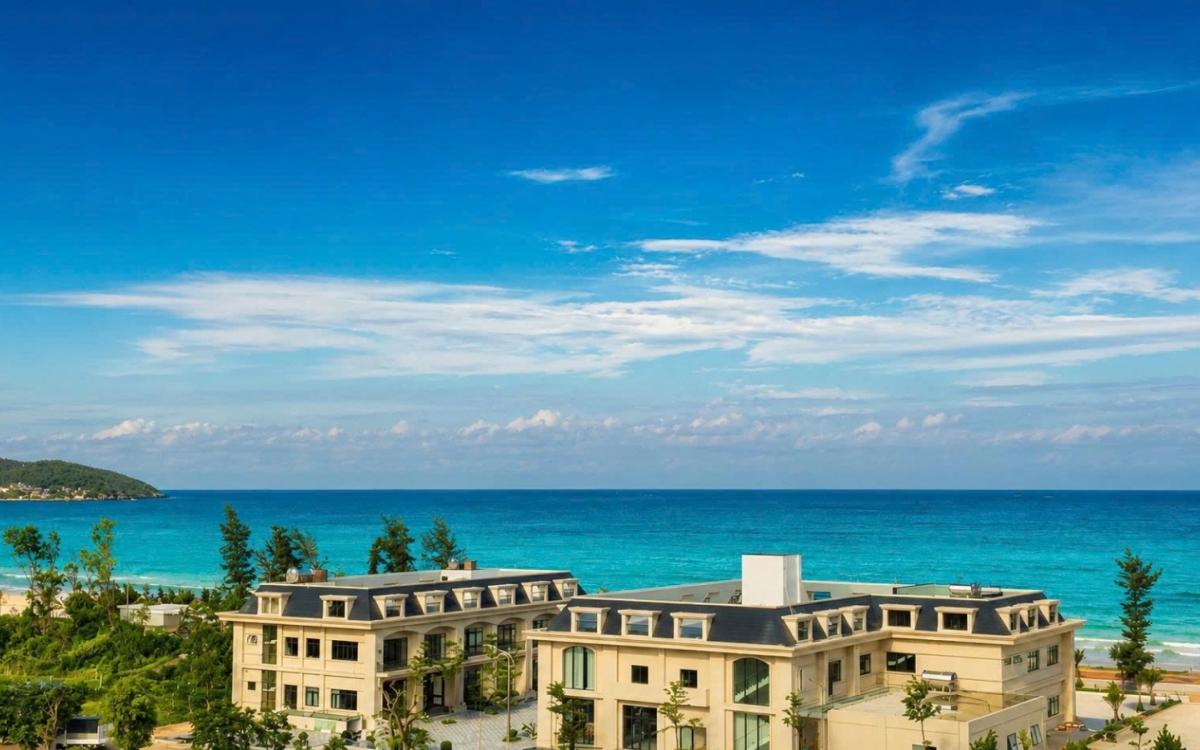
Wellness Resorts in Nghe An, Vietnam: How to Choose the Right One
Choosing a wellness resort in Nghe An, Vietnam, involves more than finding accommodation with beautiful rooms. For many families, the more important considerations are whether the resort is suitable for elderly guests, offers flexible schedules, and provides clear information about its services. Having a practical set of selection criteria allows you to compare different options fairly, rather than making a decision based solely on attractive photographs or appealing package names.
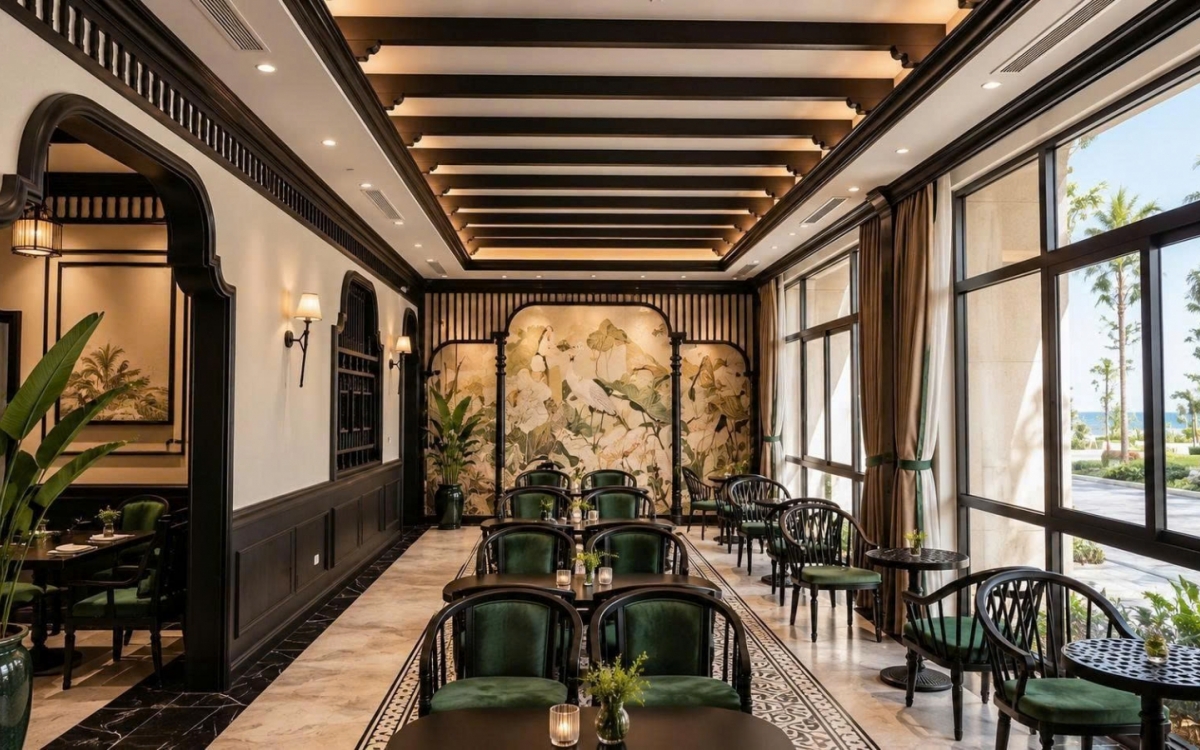
Wellness Retreats in Nghe An, Vietnam | QKWR
Wellness retreats in Nghe An, Vietnam, are an ideal choice for travelers who want to dedicate time to their well-being while enjoying more than just sightseeing and dining. A meaningful wellness getaway begins with understanding your personal needs: taking time to rest, following a comfortable daily routine, and receiving professional guidance when necessary. Rather than filling your schedule with activities, consider creating a balanced itinerary that allows you to enjoy the destination and reflect on the positive changes you would like to make after your trip.
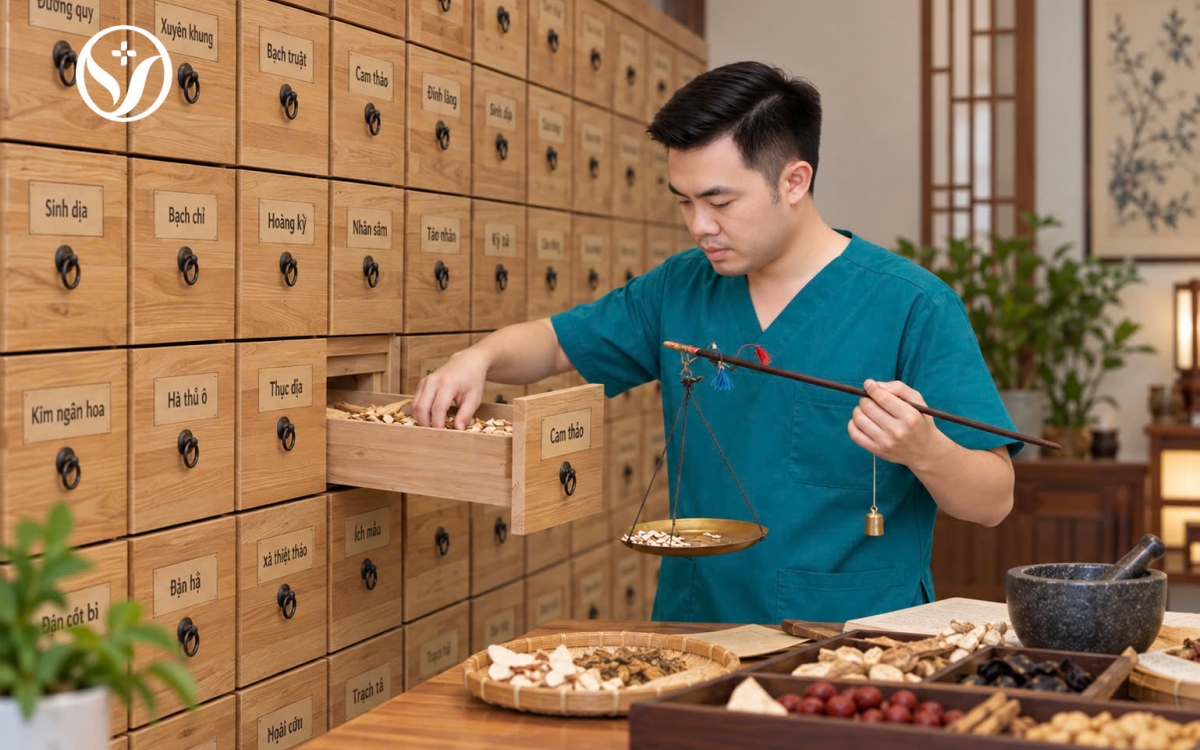
Y học cổ truyền Việt Nam: Từ tinh hoa dân tộc đến chăm sóc sức khỏe hiện đại
Y học cổ truyền Việt Nam - Một định hướng mới cho ngành y tế – Một cơ hội phát triển cho mô hình chăm sóc sức khỏe toàn diện.
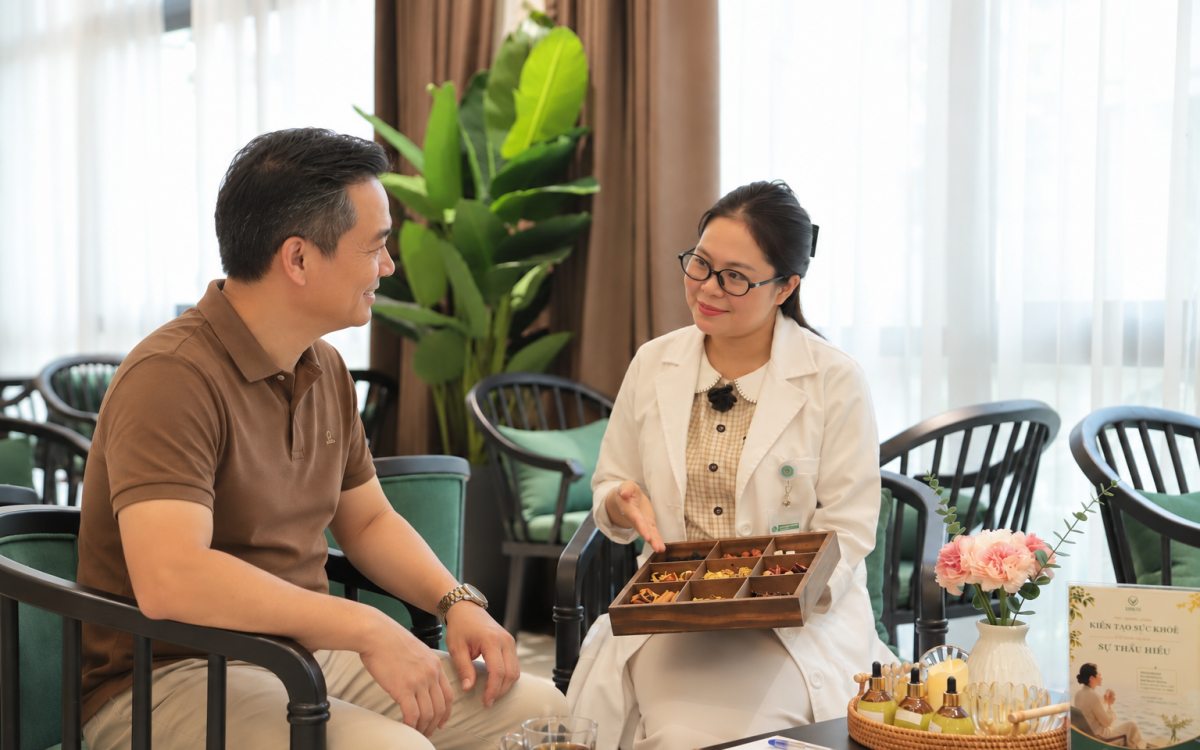
"Chữa bệnh" hay "chăm sóc sức khỏe"?
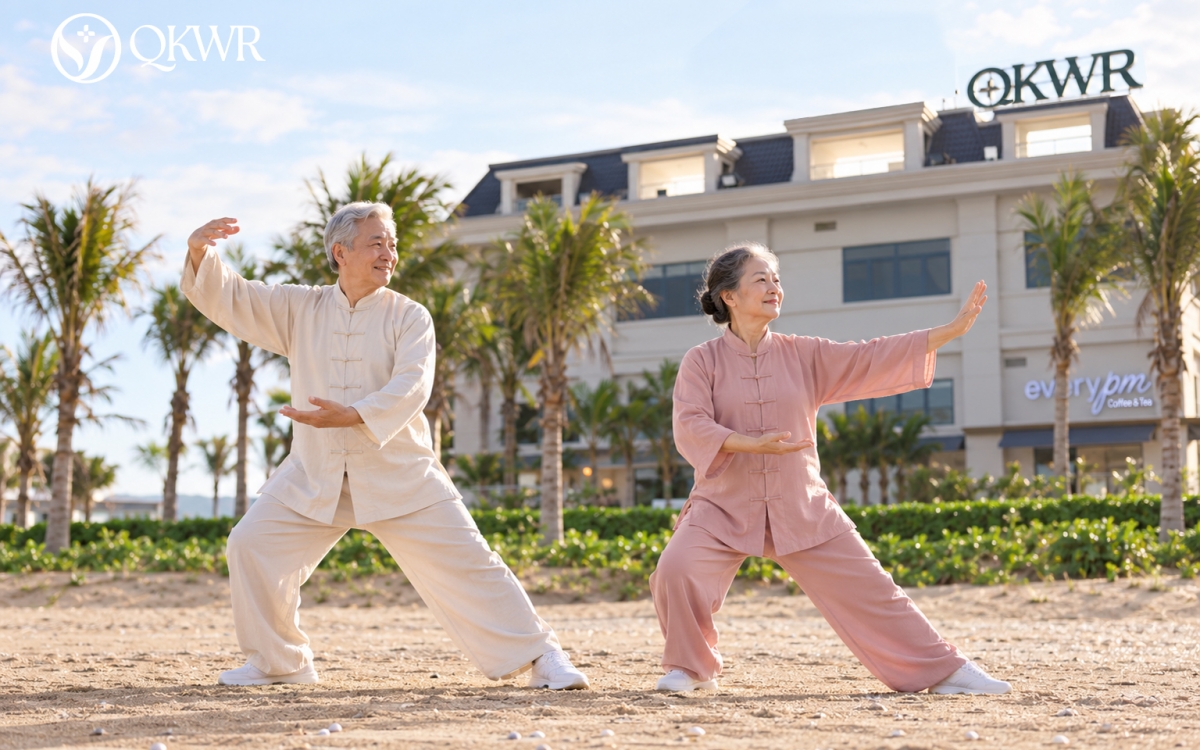
Theo Tổng Bí thư, Chủ tịch nước Tô Lâm, phát triển y học cổ truyền cần chuyển mạnh từ tư duy “chữa bệnh” sang “chăm sóc sức khỏe toàn diện”; phát huy thế mạnh trong phòng bệnh, dưỡng sinh, nâng cao thể trạng, phục hồi chức năng, chăm sóc người cao tuổi, bệnh mạn tính và sức khỏe tinh thần.
Which Health Conditions Are Suitable for Medical Tourism?
Nghỉ Dưỡng Kết Hợp Chăm Sóc Sức Khỏe Nghệ An | QKWR
Một kỳ nghỉ không nhất thiết chỉ là rời xa công việc trong vài ngày. Xu hướng nghỉ dưỡng kết hợp chăm sóc sức khỏe Nghệ An mở ra một cách trải nghiệm khác: nghỉ ngơi giữa thiên nhiên,...
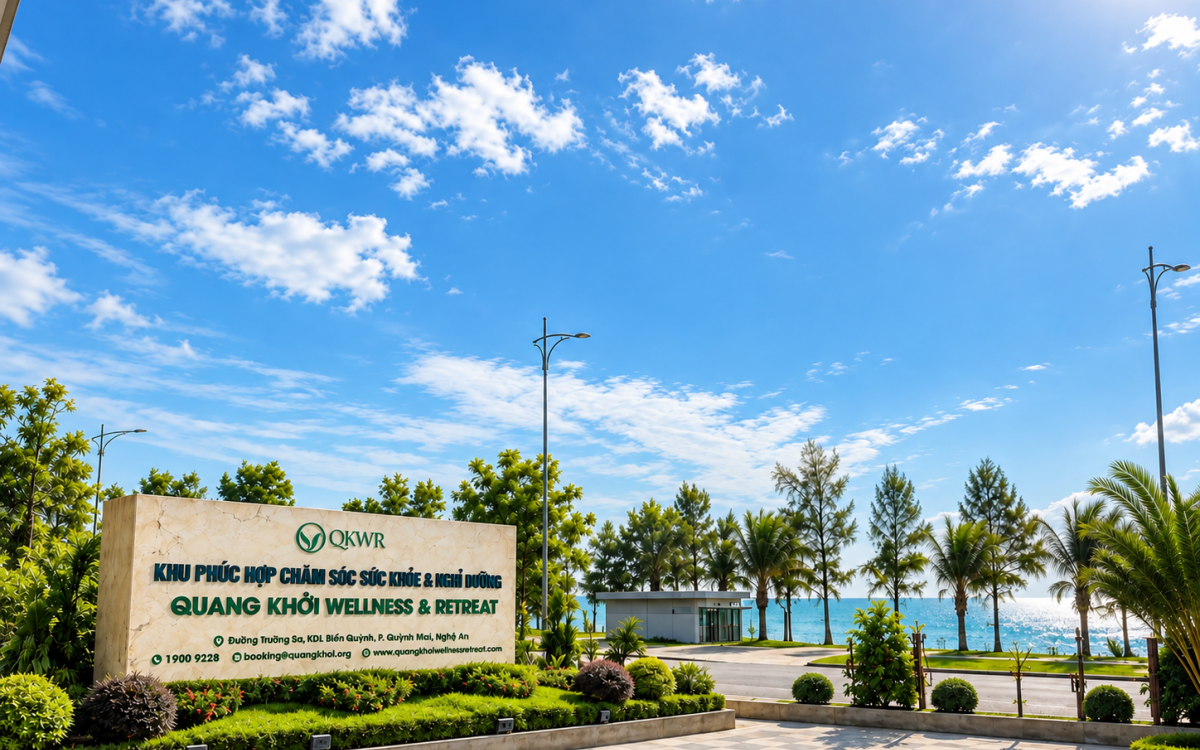
QKWR | Building a Holistic Wellness Ecosystem in Vietnam
From a Strong Medical Foundation to Proactive, Personalized Healthcare and Enhanced Quality of Life.
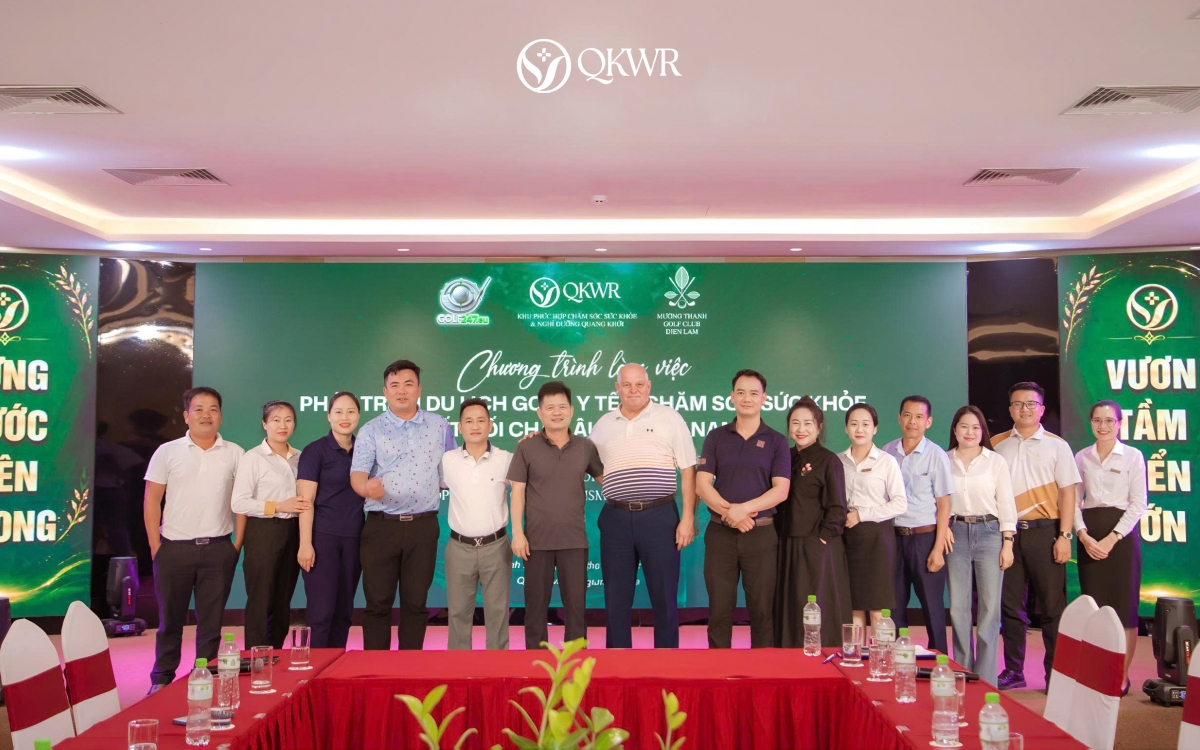
FROM GOLF TO WELLNESS – EXPANDING THE WELLNESS TOURISM EXPERIENCE AT QKWR
On August 16, 2026, international golf expert Mr. Henrik Jentsch attended a working session at QK Wellness & Retreat, opening up new opportunities for collaboration in developing an integrated Golf – Wellness – Healthcare – Tourism model in Nghe An, Vietnam.
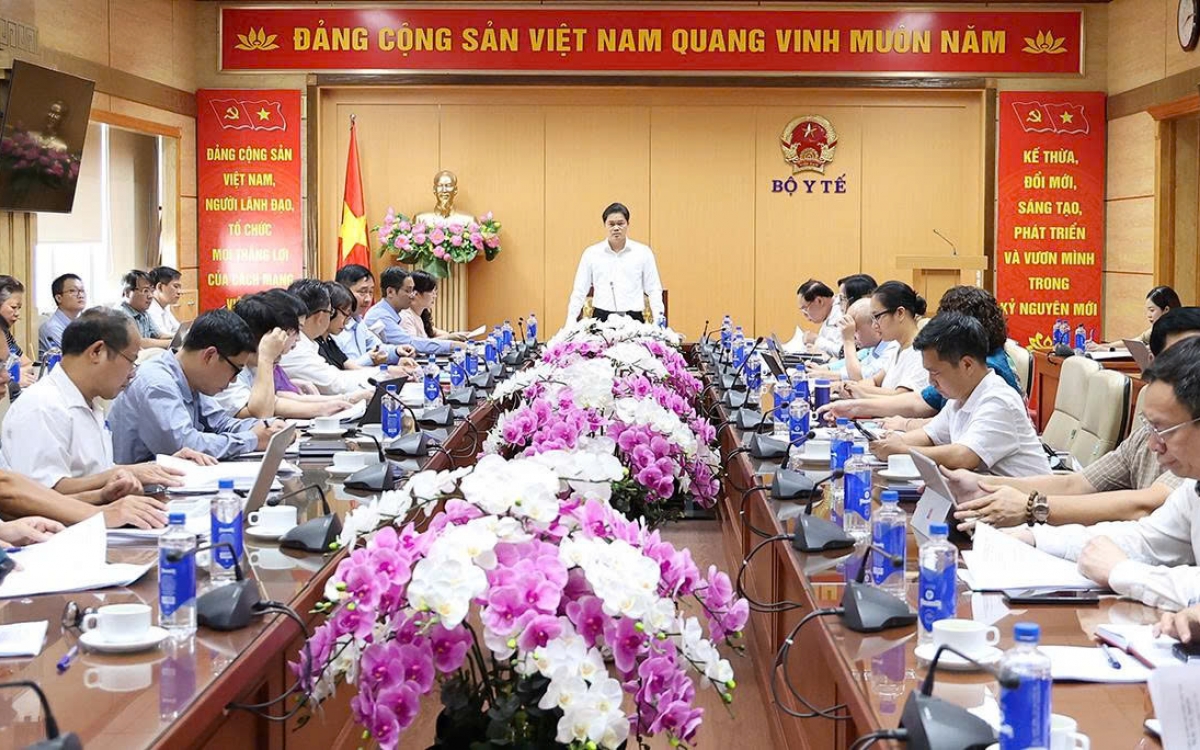
Standing Deputy Minister of Health Vu Manh Ha: Moving Traditional Medicine from Experience-Based Preservation to Strategic Development
At a meeting to develop Vietnam’s National Strategy for Traditional Medicine Development through 2030, with a vision toward 2045, Standing Deputy Minister of Health Vu Manh Ha emphasized the need to advance traditional Vietnamese medicine through a modern, scientific, and evidence-based approach while preserving national cultural identity, promoting the value of medicinal herbs, and safeguarding traditional medical knowledge.
Du lịch Y tế Việt Nam, cơ hội đáng để kỳ vọng
Du lịch y tế không chỉ là khám chữa bệnh kết hợp nghỉ dưỡng, mà cần được nhìn nhận như một hệ sinh thái dịch vụ thống nhất, từ y tế, phục hồi, chăm sóc sức khỏe đến lưu trú và hỗ trợ hành trình. Muốn tạo lợi thế cạnh tranh cho Việt Nam, cần định vị đúng thế mạnh, chuẩn hóa chất lượng và xây dựng hành lang pháp lý đủ rõ để mô hình này phát triển đồng bộ, an toàn và bền vững


QK WELLNESS & RETREAT CHÍNH THỨC ĐÓN NHẬN CHỨNG NHẬN QUỐC TẾ CHRISTOPHERUS GREEN STAR CERTIFICATION
Ngày 01/7/2026, Christopherus Green Star Certification chính thức có hiệu lực đối với QK Wellness & Retreat, đánh dấu một cột mốc quan trọng trên hành trình phát triển theo các tiêu chuẩn quốc tế về chăm sóc sức khỏe và nghỉ dưỡng.
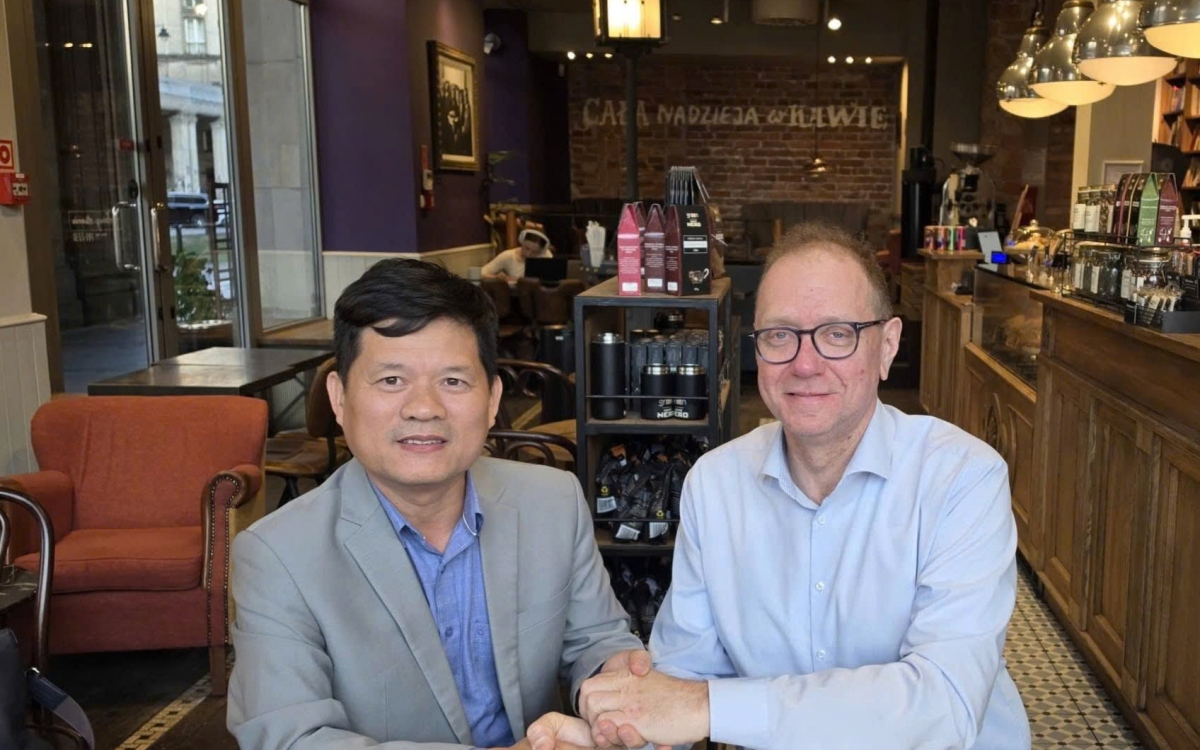
NEWGEN BA LAN CÙNG QKWR PHÁT TRIỂN GIẢI PHÁP WELLNESS & LONGEVITY QUỐC TẾ
Xu hướng chăm sóc sức khỏe hiện đại đang chuyển dịch từ điều trị bệnh sang chủ động phòng ngừa, phục hồi và nâng cao chất lượng sống. Trong đó, các chương trình Wellness & Longevity kết hợp giữa y học, công nghệ và nghỉ dưỡng đang trở thành xu hướng được nhiều quốc gia quan tâm.
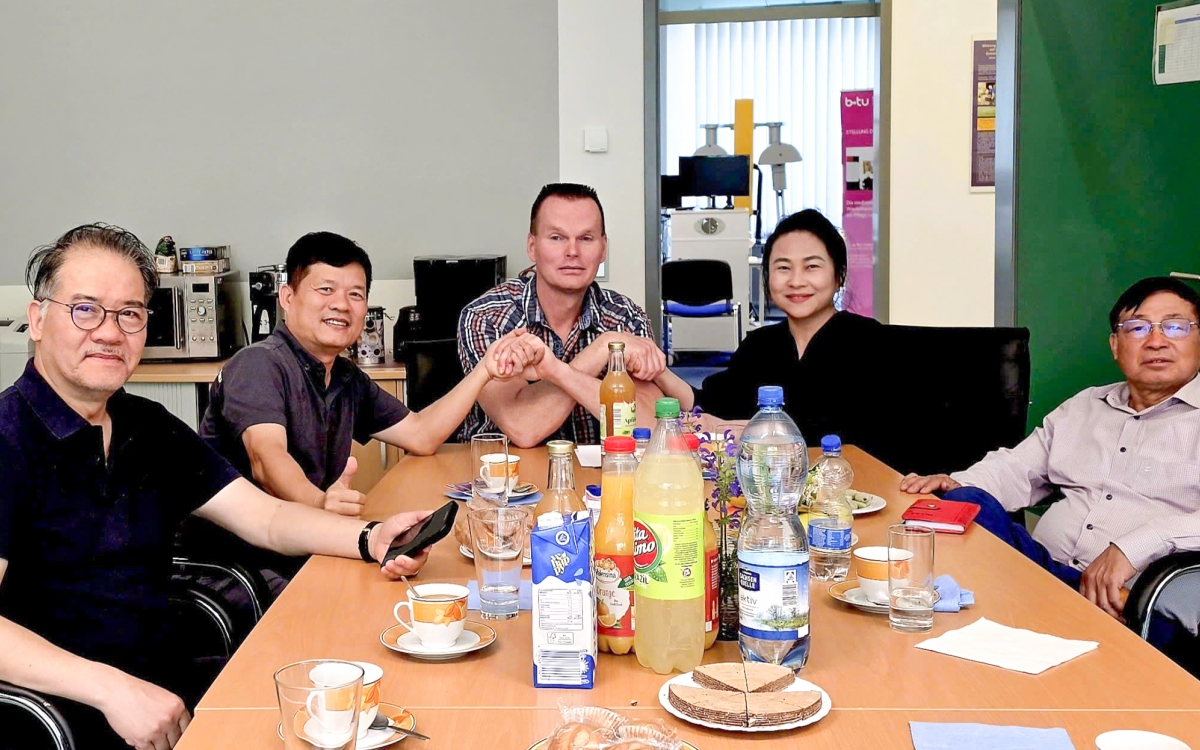
KẾT NỐI KHOA HỌC VẬN ĐỘNG VÀ CÔNG NGHỆ Y SINH, MỞ RỘNG GIÁ TRỊ PHỤC HỒI SỨC KHỎE TẠI QKWR
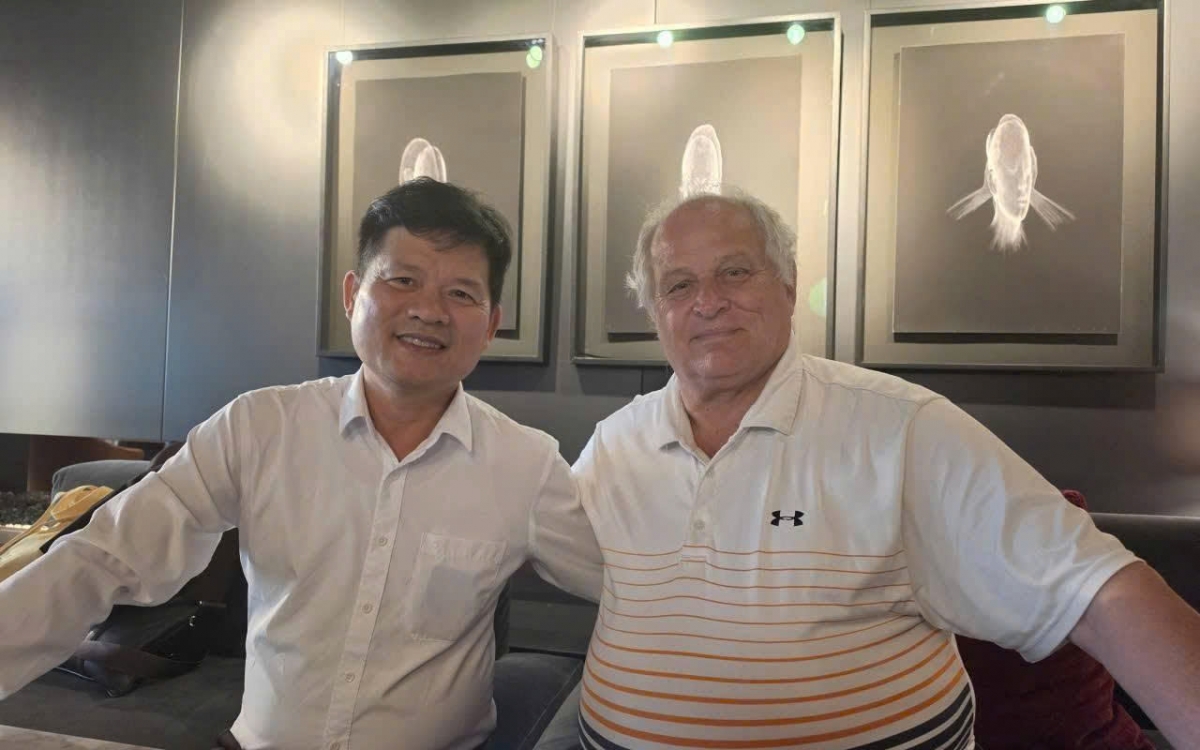
KẾT NỐI GOLF & WELLNESS QUỐC TẾ – MỞ RỘNG HỆ SINH THÁI CHĂM SÓC SỨC KHỎE TẠI QKWR
Trong xu hướng phát triển du lịch sức khỏe toàn cầu, sự kết hợp giữa thể thao, nghỉ dưỡng và chăm sóc sức khỏe đang trở thành lựa chọn của nhiều khách hàng mong muốn nâng cao thể chất, cân bằng tinh thần và duy trì lối sống năng động
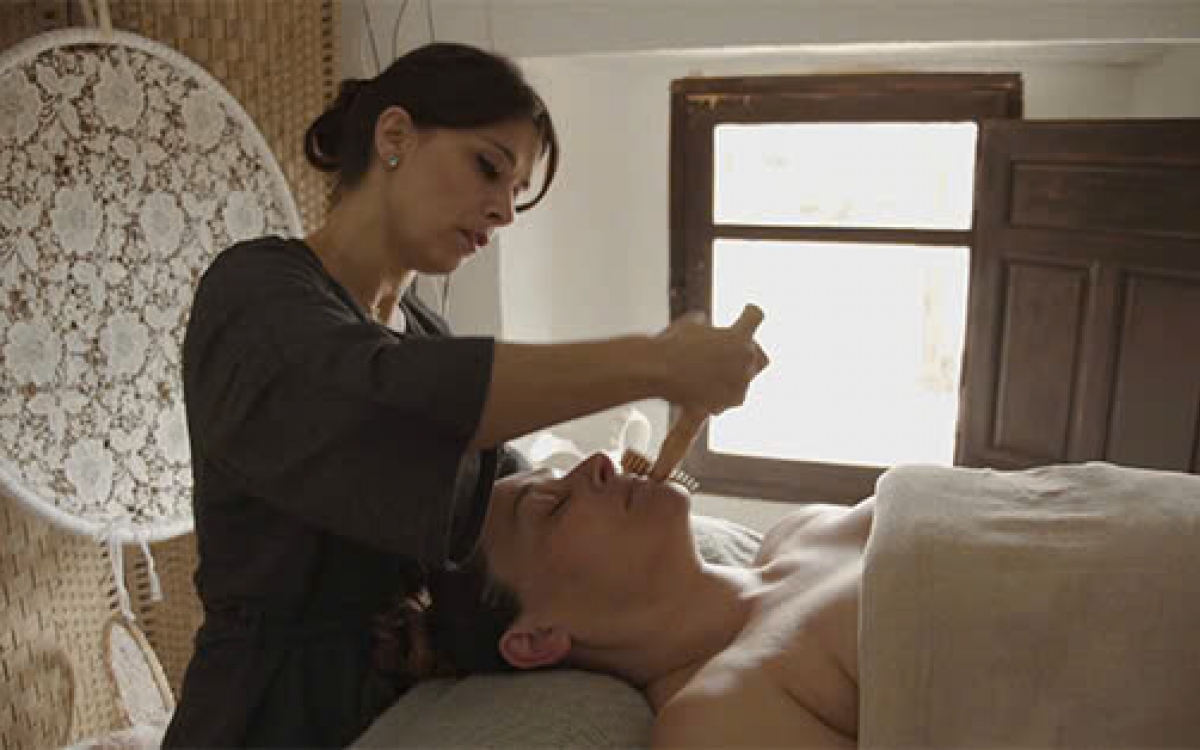
KẾT NỐI DU LỊCH SỨC KHỎE CAO CẤP TỪ TÂY BAN NHA - MỞ RỘNG TRẢI NGHIỆM WELLNESS CHUẨN QUỐC TẾ TẠI QKW
Sự hợp tác với những chuyên gia về trị liệu là một bước tiến trong hành trình đưa những trải nghiệm wellness chuẩn quốc tế đến gần hơn với khách hàng trong nước và quốc tế, góp phần xây dựng mô hình chăm sóc sức khỏe toàn diện tại QKWR.

TỪ CHẨN ĐOÁN CHÂU ÂU ĐẾN PHỤC HỒI TẠI VIỆT NAM - KẾT NỐI NHỮNG GIÁ TRỊ Y KHOA TỪ BỆNH VIỆN UY TÍN CHÂU ÂU TẠI QKWR
Trong bối cảnh y tế toàn cầu ngày càng hướng tới sự kết nối xuyên biên giới, việc hợp tác cùng các chuyên gia và tổ chức y khoa uy tín quốc tế trở thành một trong những nền tảng quan trọng để nâng cao chất lượng chăm sóc sức khỏe.
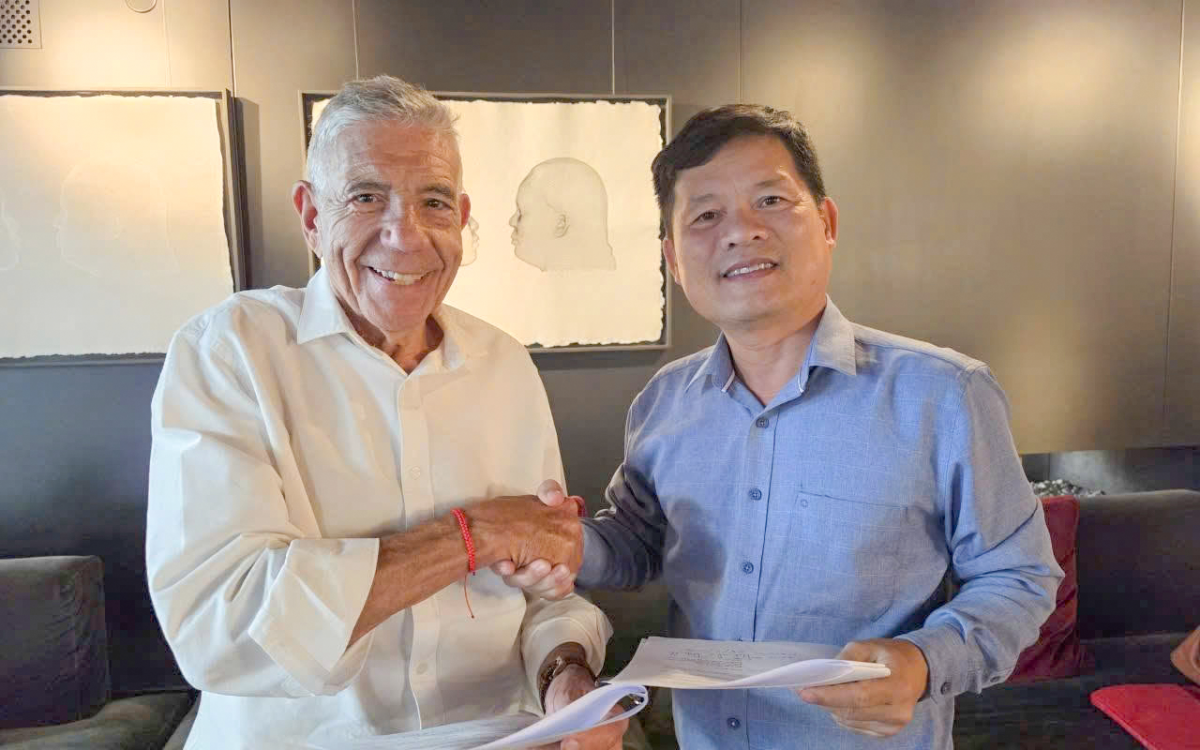
QKWR HỢP TÁC CÙNG CHUYÊN GIA, TS. EDUARD ESTIVILL - NGƯỜI GIEO NỀN TẢNG CHO KHOA HỌC GIẤC NGỦ TÂY BAN NHA
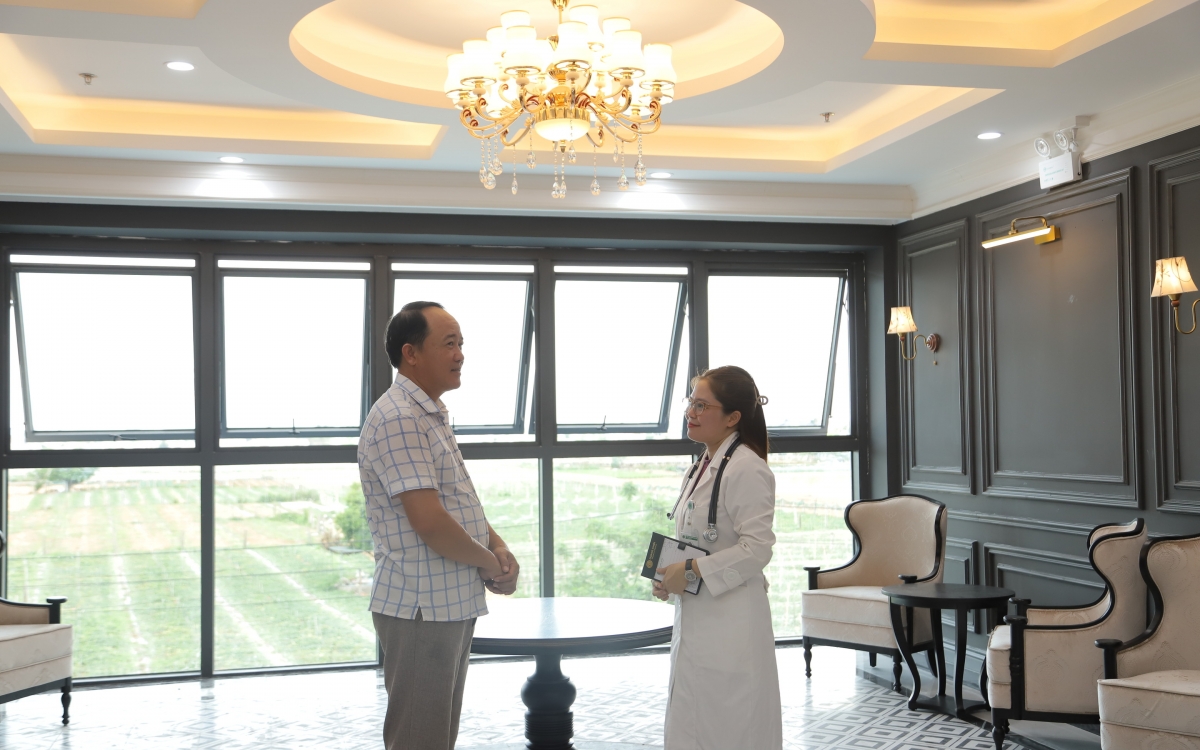
Wellness & Retreat - Xu hướng chăm sóc sức khoẻ chủ động của tương lai
Trong bối cảnh áp lực công việc, ô nhiễm môi trường và những bệnh lý mạn tính ngày càng gia tăng, khái niệm “sống khỏe chủ động” đang dần trở thành ưu tiên của xã hội hiện đại. Không chỉ chữa bệnh khi cơ thể lên tiếng, con người hôm nay bắt đầu tìm kiếm những giải pháp giúp phòng ngừa từ sớm, tái tạo năng lượng và duy trì trạng thái cân bằng cả thể chất lẫn tinh thần.
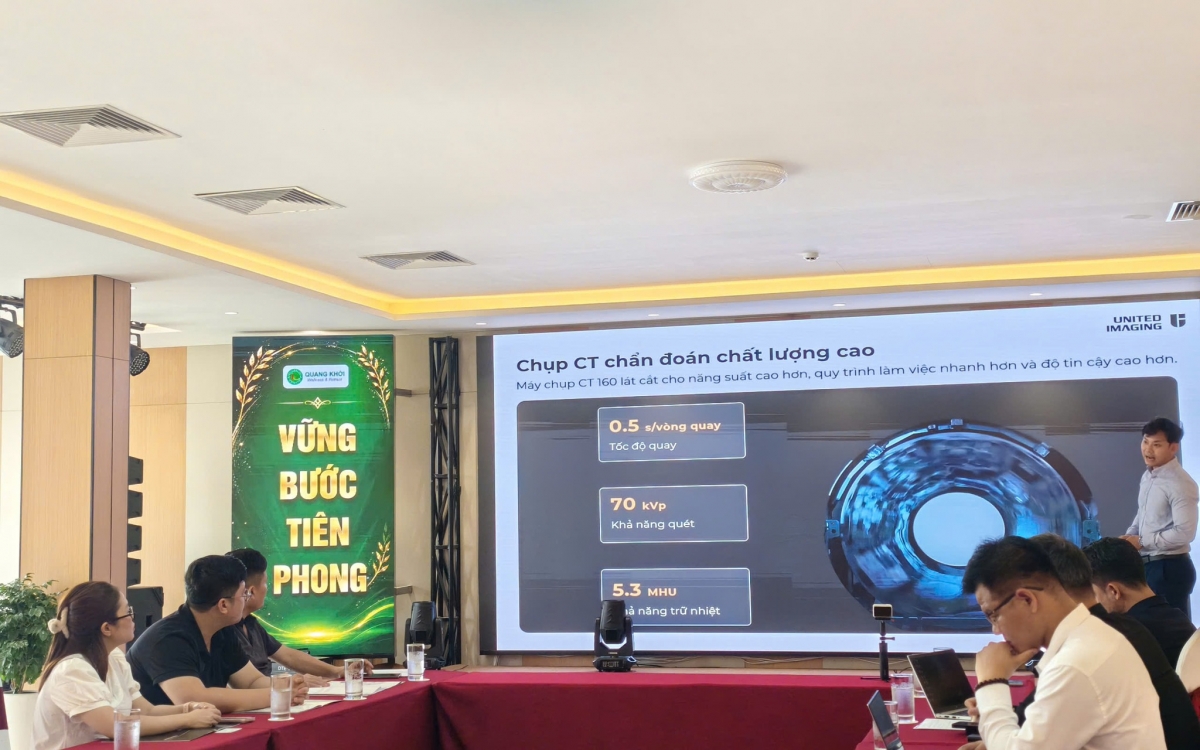
NGHIÊN CỨU & ĐẦU TƯ CÔNG NGHỆ Y HỌC TIÊN TIẾN – KHẲNG ĐỊNH CHUẨN MỰC TẦM SOÁT SỨC KHỎE QUỐC TẾ
Với tầm nhìn xây dựng hệ sinh thái chăm sóc sức khỏe chuẩn mực quốc tế, Quang Khởi Wellness & Retreat kiên định chiến lược đầu tư chiều sâu vào nghiên cứu và ứng dụng công nghệ y học hiện đại, nhằm nâng cao độ chính xác trong chẩn đoán, tầm soát và điều trị sớm.
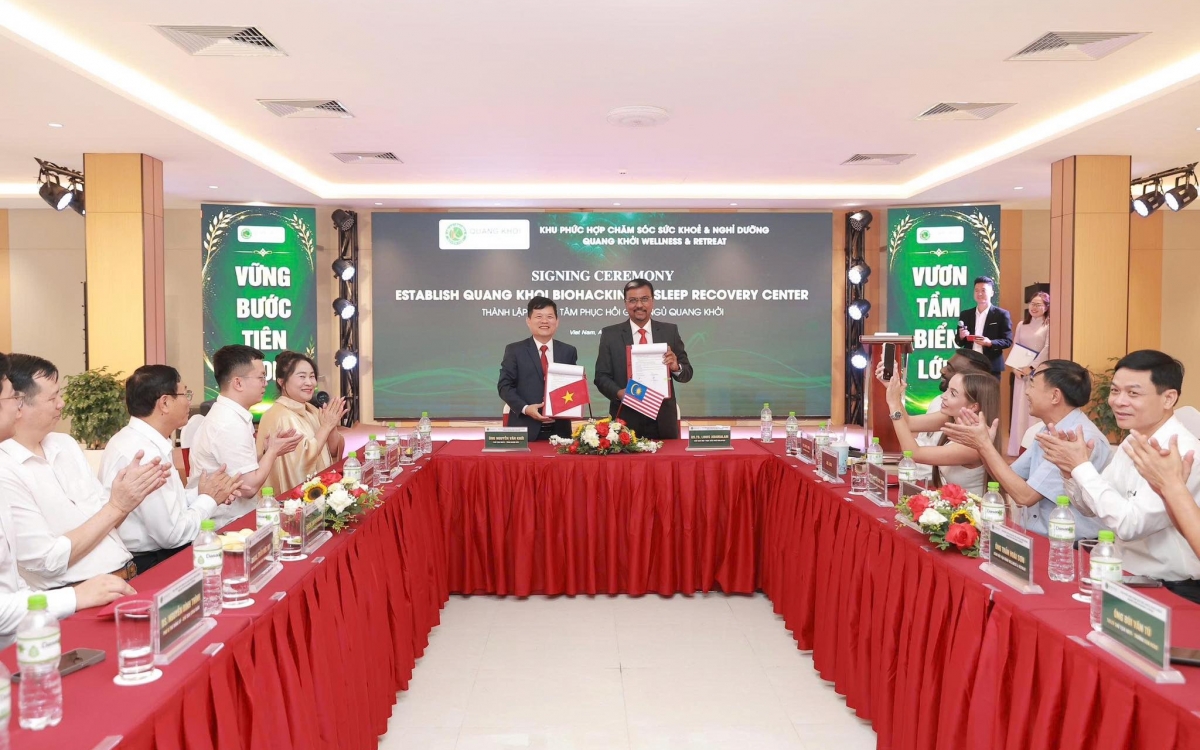

Giấc ngủ - biên giới mới của nghỉ dưỡng phục hồi
Trong thế giới wellness hiện đại, nghỉ dưỡng không còn dừng lại ở việc “đi để thư giãn”. Khi nhịp sống ngày càng nhanh và áp lực tích tụ nhiều hơn, con người bắt đầu tìm kiếm một điều sâu hơn: sự phục hồi thực sự.
Đó không chỉ là cảm giác dễ chịu trong khoảnh khắc, mà là quá trình tái tạo lại năng lượng từ bên trong – nơi cơ thể, tâm trí và cảm xúc được cân bằng trở lại. Và trong hành trình ấy, giấc ngủ đang dần trở thành điểm khởi đầu quan trọng nhất.
1. Khi giấc ngủ được nhìn lại như một liệu pháp Trước đây, giấc ngủ thường bị xem nhẹ chỉ là một nhu cầu
Trước đây, giấc ngủ thường bị xem nhẹ chỉ là một nhu cầu sinh học hiển nhiên. Nhưng ngày nay, khoa học và xu hướng sống mới đã chứng minh điều ngược lại: chất lượng giấc ngủ quyết định chất lượng cuộc sống.
Trong khi ngủ, cơ thể không “nghỉ” mà đang âm thầm phục hồi:
- Não bộ giải phóng áp lực và sắp xếp lại thông tin
- Hệ thần kinh được cân bằng sau một ngày dài
- Hormone được điều chỉnh, hỗ trợ cảm xúc ổn định
- Tế bào được tái tạo, tăng cường miễn dịch và năng lượng
Một giấc ngủ sâu không chỉ giúp bạn tỉnh táo hơn vào ngày hôm sau, mà còn là nền tảng cho sức khỏe lâu dài cả về thể chất lẫn tinh thần.
2. Sleep Recovery - khi nghỉ dưỡng xoay quanh giấc ngủ.
Từ nhận thức đó, một xu hướng mới trong ngành wellness đã hình thành: Sleep Recovery. Đây là cách tiếp cận xem giấc ngủ như một liệu pháp phục hồi tự nhiên, và xây dựng toàn bộ trải nghiệm nghỉ dưỡng xoay quanh việc tối ưu giấc ngủ.
Thay vì tập trung vào nhiều hoạt động, Sleep Recovery hướng đến sự tinh giản:
- Không gian yên tĩnh, hạn chế kích thích
- Ánh sáng và âm thanh được điều chỉnh theo nhịp sinh học
- Môi trường trong lành, dễ chịu Nhịp sống chậm, giúp cơ thể dễ dàng “thả lỏng”
Ở đó, bạn không cần cố gắng để thư giãn mà mọi thứ tự nhiên dẫn bạn đến trạng thái nghỉ sâu.
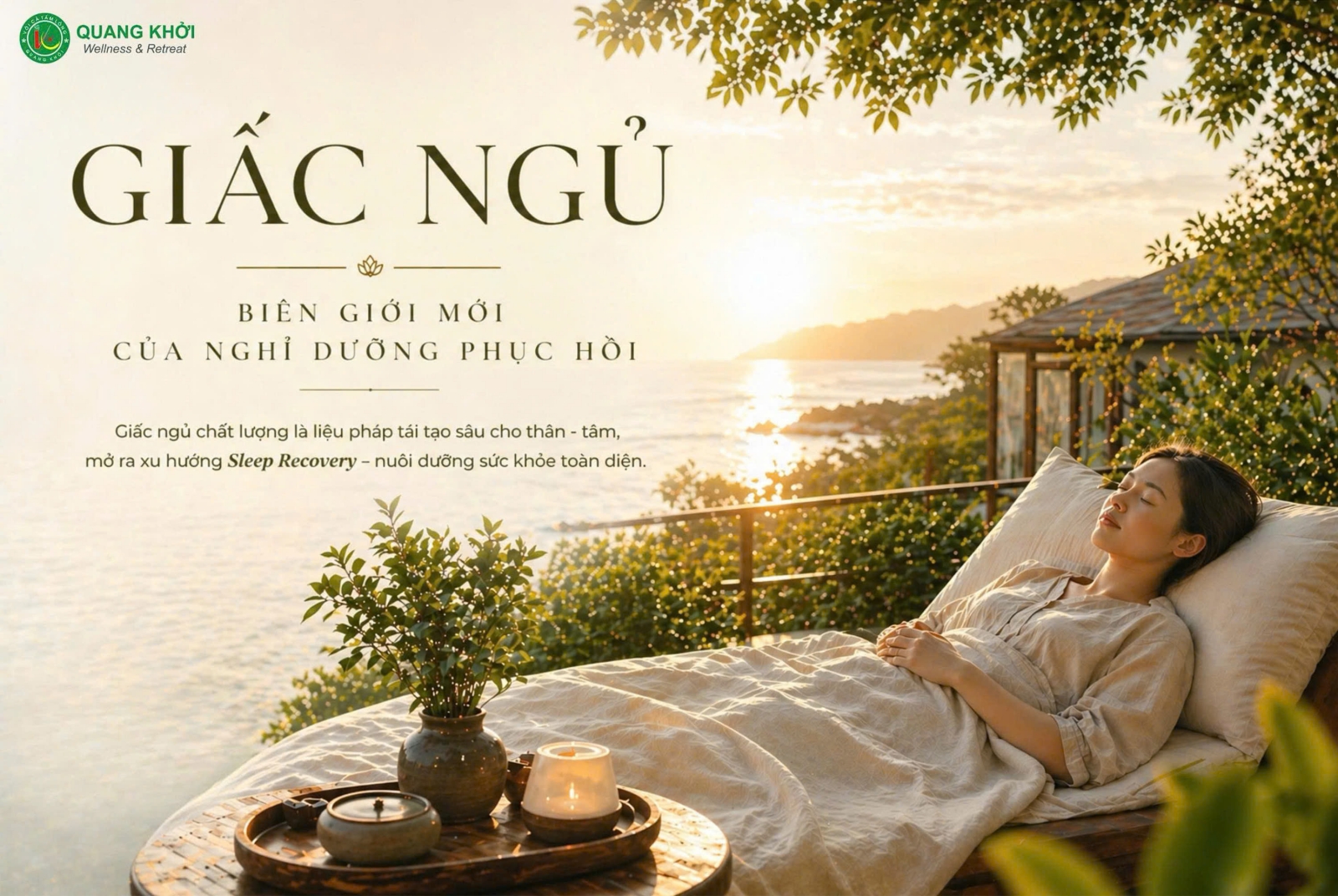
Ảnh minh họa
3. Sự an trú - nền tảng của phục hồi
Một thực tế là: không phải ai cũng thiếu ngủ, nhưng rất nhiều người thiếu ngủ sâu. Nguyên nhân không nằm ở thời gian, mà ở việc tâm trí không thể dừng lại. Áp lực, lo âu và nhịp sống nhanh khiến cơ thể luôn trong trạng thái “căng”.
Vì vậy, điều quan trọng nhất mà một không gian nghỉ dưỡng hiện đại mang lại không phải là tiện nghi mà là cảm giác an trú. Đó là khi bạn bước vào và:
- Tự nhiên muốn chậm lại Không còn bị kéo bởi suy nghĩ
- Cơ thể dần thả lỏng mà không cần cố gắng Khi có sự an trú, giấc ngủ sẽ đến một cách tự nhiên.
Và từ đó, quá trình phục hồi mới thực sự bắt đầu.
4. Sự an trú - nền tảng của phục hồi
Hành trình tiên phong ấy đang bước sang một giai đoạn mới. Một trải nghiệm mới đang được chuẩn bị – nơi triết lý Sleep Recovery sẽ được thể hiện rõ nét hơn, mang đến một cách nghỉ dưỡng sâu hơn, chậm hơn và thực sự chạm đến bên trong.
Ngày 30/4 sắp tới, một sự kiện đặc biệt sẽ chính thức mở ra cột mốc mới cho Quang Khởi Wellness & Retreat. Không chỉ là một dịp để ghé thăm, mà là cơ hội để cảm nhận một cách nghỉ dưỡng khác biệt: không ồn ào, không vội vã, mà tập trung vào điều quan trọng nhất sự phục hồi từ bên trong.
Hãy cùng chờ đón.

Cơ thể phản ứng ra sao khi được nghỉ ngơi đúng cách?
Trong nhịp sống hiện đại, nghỉ ngơi không còn là một lựa chọn mang tính “xa xỉ”, mà trở thành nhu cầu thiết yếu để duy trì sức khỏe thể chất và tinh thần. Tuy nhiên, không phải ai cũng hiểu đúng về “nghỉ ngơi chất lượng” – trạng thái mà cơ thể thực sự bước vào quá trình phục hồi sâu và tái tạo toàn diện
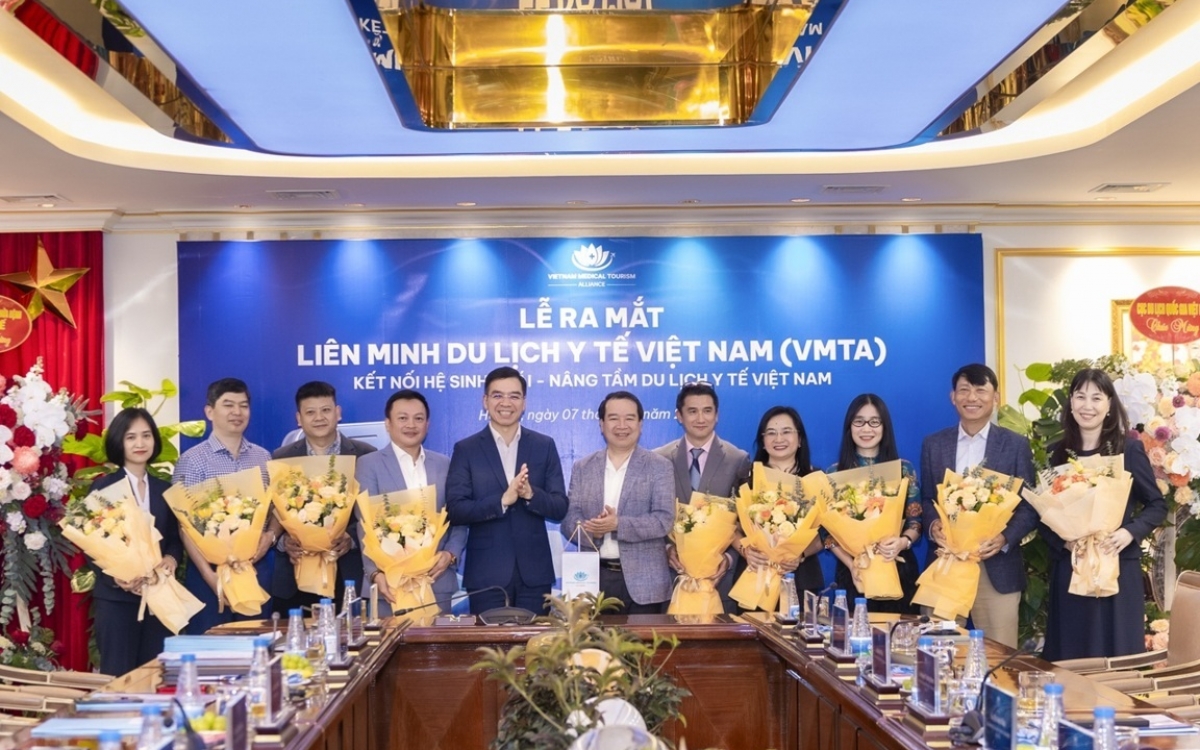
LIÊN MINH DU LỊCH Y TẾ VIỆT NAM RA MẮT: BƯỚC ĐI MỚI ĐỂ PHÁT TRIỂN DU LỊCH Y TẾ THÀNH THƯƠNG HIỆU QUỐC GIA
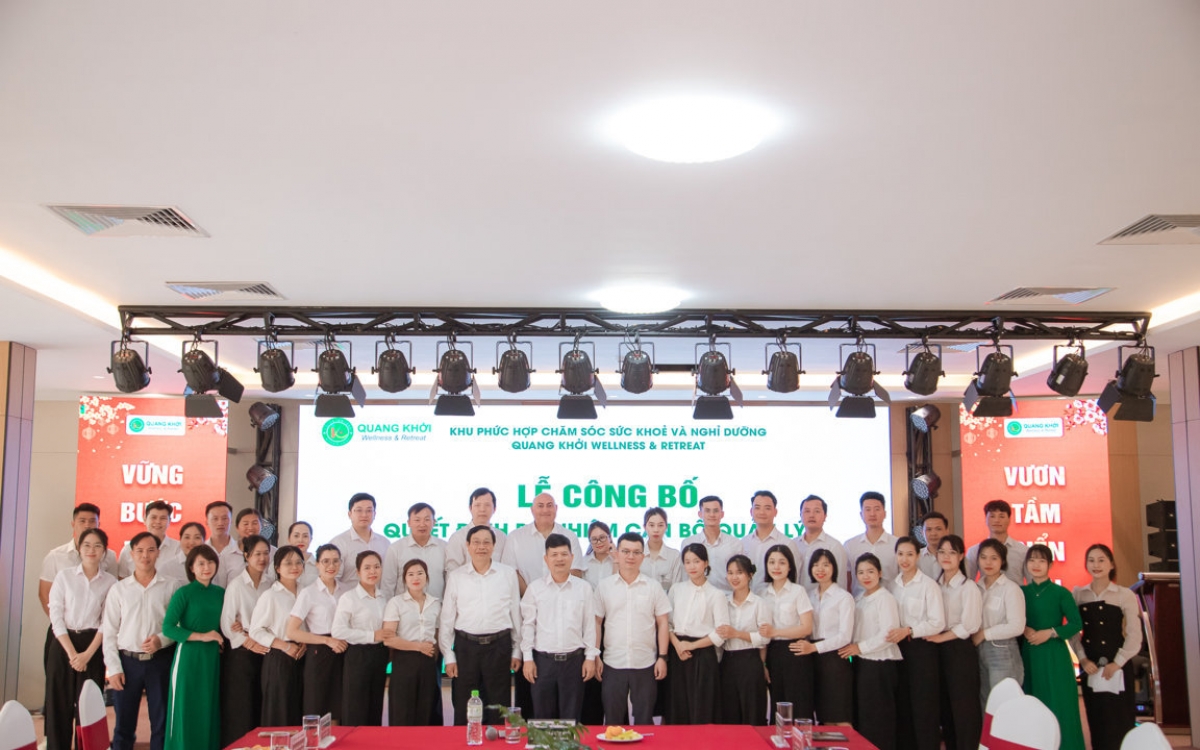
KHU PHỨC HỢP CHĂM SÓC SỨC KHỎE VÀ NGHỈ DƯỠNG QUANG KHỞI WELLNESS & RETREAT BỔ NHIỆM HÀNG LOẠT CÁN BỘ QUẢN LÝ CHỦ CHỐT, SẴN SÀNG ĐƯA VÀO HOẠT ĐỘNG
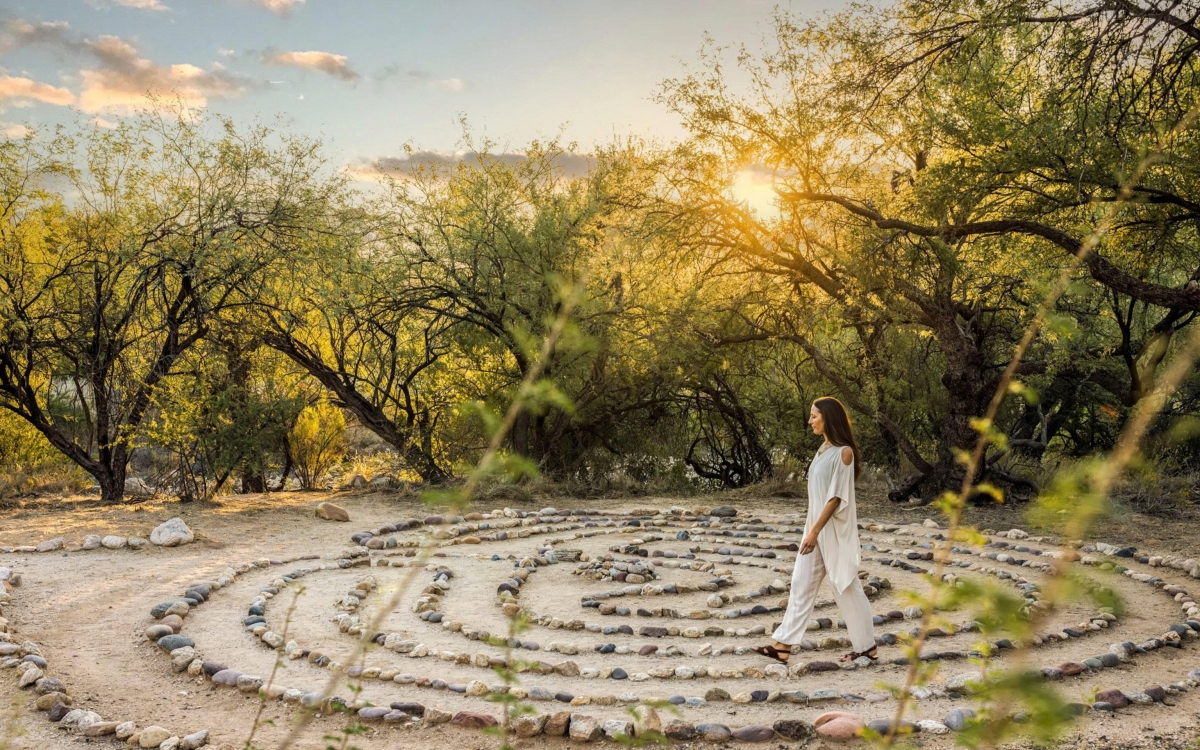
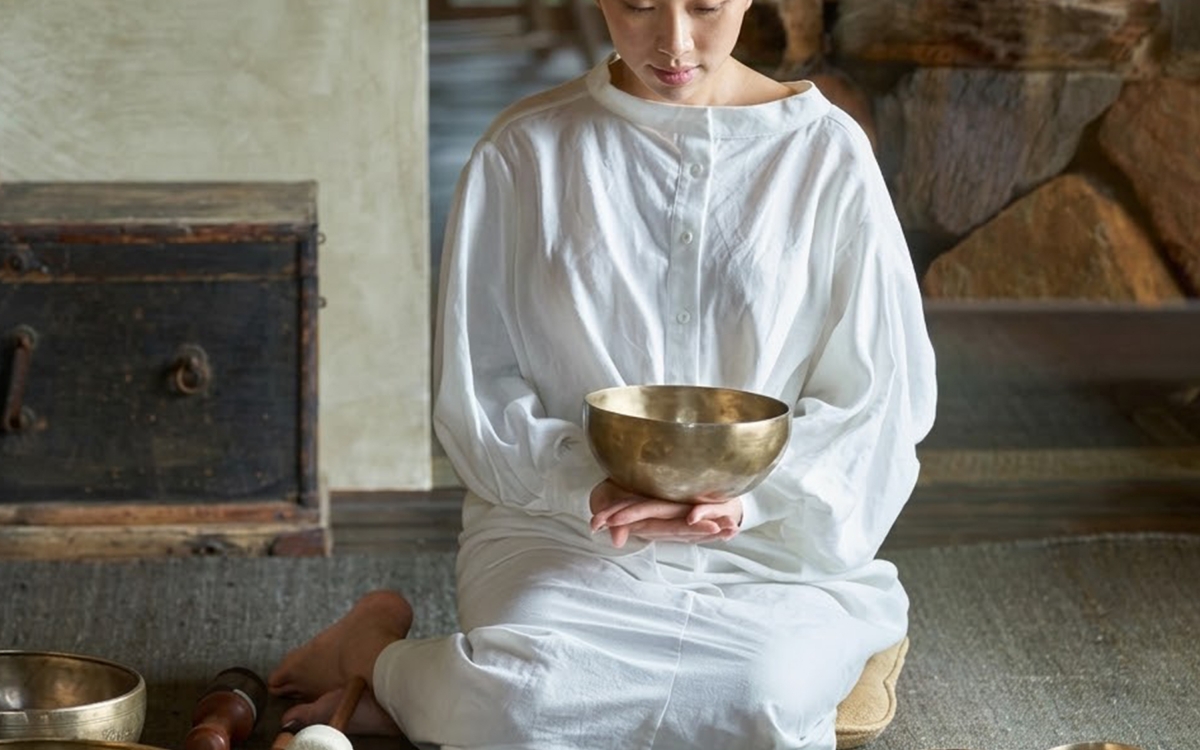
Tâm an thì thân tự khắc hồi phục - góc nhìn từ y học cổ truyền
Người xưa có câu: “Tâm an thì khí hòa, khí hòa thì huyết thuận, huyết thuận thì thân thể tự khắc hồi phục.” Điều đó cho thấy sự bình ổn của tâm trí chính là nền tảng quan trọng giúp cơ thể duy trì và phục hồi sức khỏe.
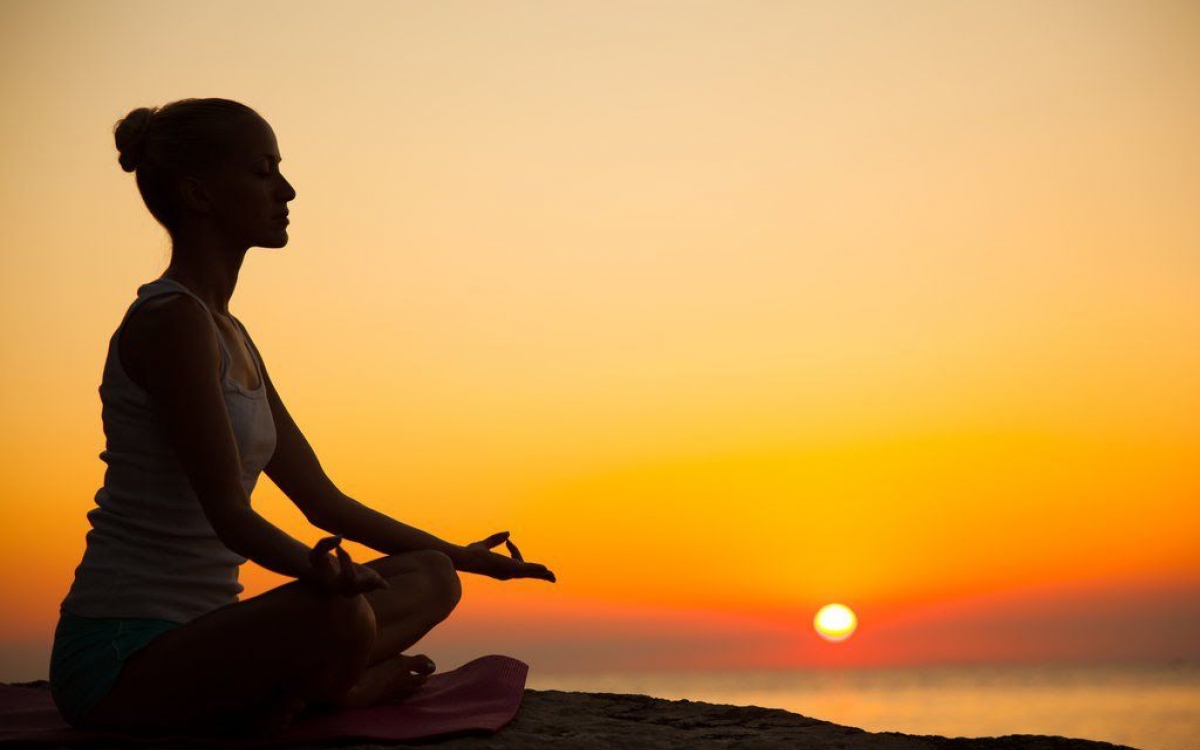
Chánh niệm là gì? Nghệ thuật sống tỉnh thức cho thân - tâm cân bằng
Chánh niệm (Mindfulness) là phương pháp giúp con người tập trung vào hiện tại thông qua việc quan sát hơi thở, cảm xúc và suy nghĩ mà không phán xét. Thực hành chánh niệm giúp giảm căng thẳng, cải thiện giấc ngủ và tăng khả năng tập trung. Tại Quang Khởi Wellness & Retreat, chánh niệm được tích hợp trong các chương trình chăm sóc sức khỏe toàn diện giúp cân bằng thân – tâm – trí.

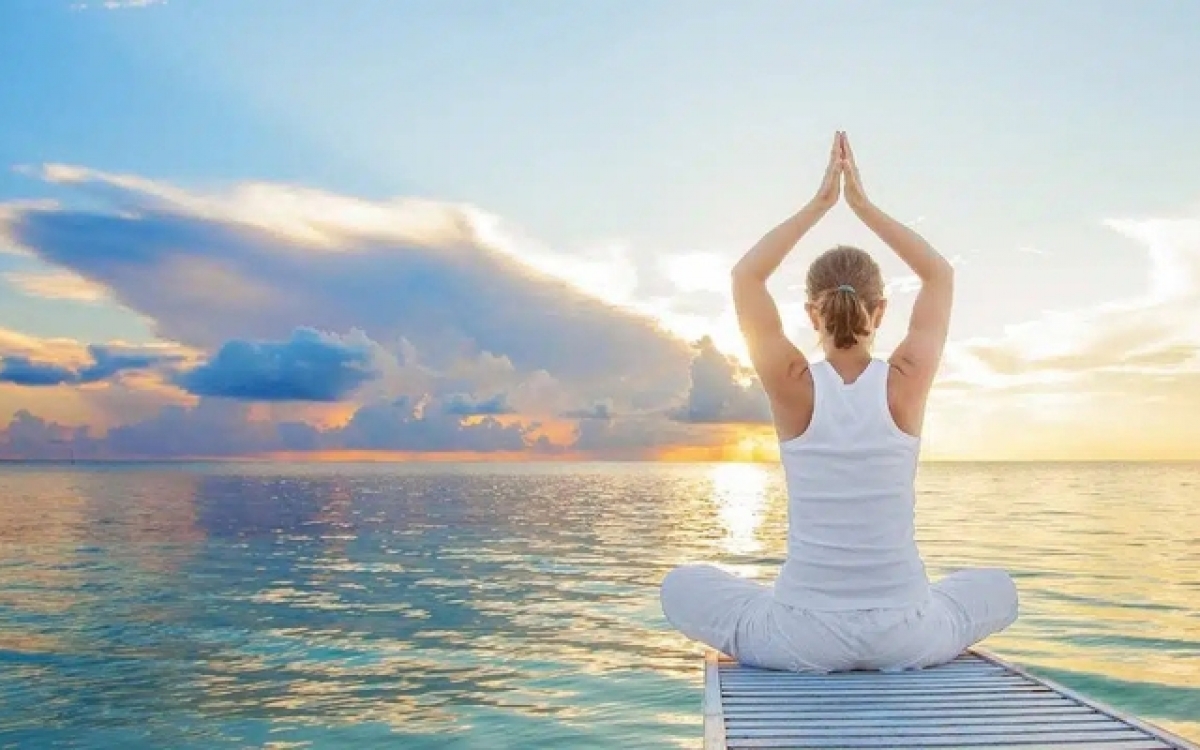
Yoga thiền là gì? Lợi ích khoa học và cách thực hành cho sức khỏe toàn diện
Trong nhịp sống hiện đại, con người ngày càng tìm kiếm những phương pháp giúp khôi phục sự cân bằng giữa cơ thể và tâm trí. Yoga thiền chính là một trong những thực hành cổ xưa nhưng vẫn mang giá trị bền vững, giúp con người tìm lại trạng thái tĩnh tại và năng lượng sống tích cực. Không đơn thuần là một bài tập thể chất, yoga thiền là sự hòa quyện giữa chuyển động, hơi thở và nhận thức, giúp con người kết nối sâu sắc với chính mình.
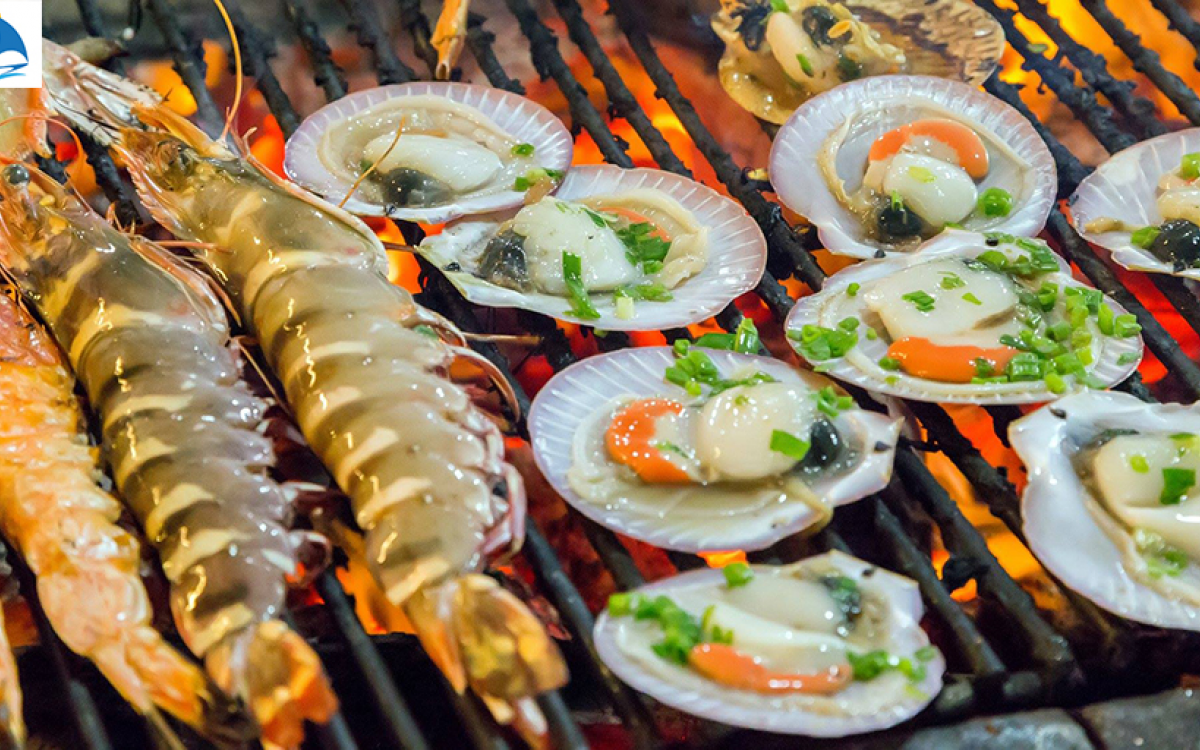
Hải sản biển Quỳnh Nghệ An – Tinh hoa ẩm thực biển tại Quang Khởi Wellness & Retreat
Dọc theo bờ biển phía Bắc của tỉnh Nghệ An, vùng biển Quỳnh từ lâu đã nổi tiếng với nguồn hải sản tươi ngon và phong phú. Nơi đây không chỉ là điểm đến của những chuyến ra khơi đầy ắp cá tôm, mà còn là vùng đất mang đậm dấu ấn văn hóa biển của người dân xứ Nghệ.
Đối với du khách khi đến với Quang Khởi Wellness & Retreat, hành trình nghỉ dưỡng không chỉ gắn liền với thiên nhiên biển trong lành, mà còn được nuôi dưỡng từ những trải nghiệm ẩm thực đặc sắc, trong đó hải sản biển Quỳnh Nghệ An chính là một trong những tinh hoa đáng nhớ nhất.
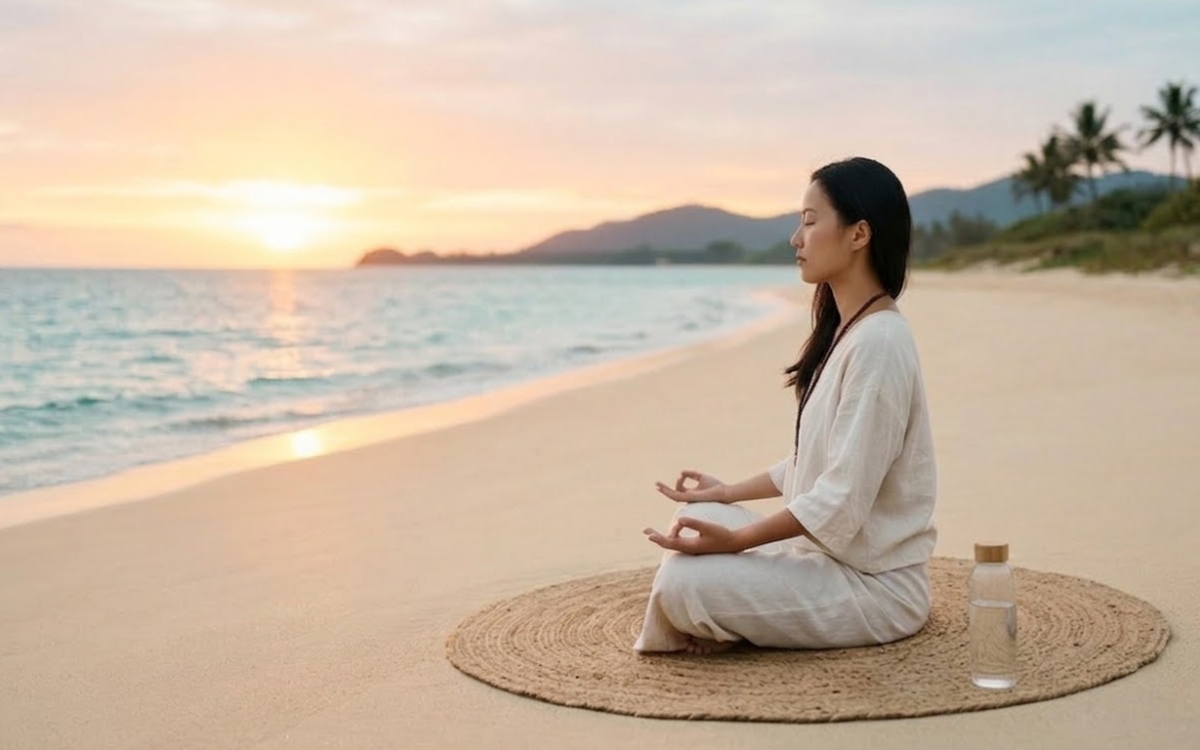
Thiền là gì? 10 lợi ích của thiền đối với sức khỏe thể chất và tinh thần
Trong cuộc sống hiện đại, áp lực công việc, nhịp sống nhanh và sự quá tải thông tin khiến nhiều người rơi vào trạng thái căng thẳng kéo dài. Chính vì vậy, thiền ngày càng được xem như một phương pháp chăm sóc sức khỏe tinh thần hiệu quả, giúp con người tìm lại sự cân bằng và bình an nội tại.
Không chỉ xuất phát từ truyền thống phương Đông, thiền ngày nay còn được nhiều nghiên cứu khoa học chứng minh mang lại lợi ích tích cực cho cả cơ thể và tâm trí. Chỉ cần vài phút thiền mỗi ngày, bạn đã có thể cải thiện đáng kể chất lượng cuộc sống của mình.
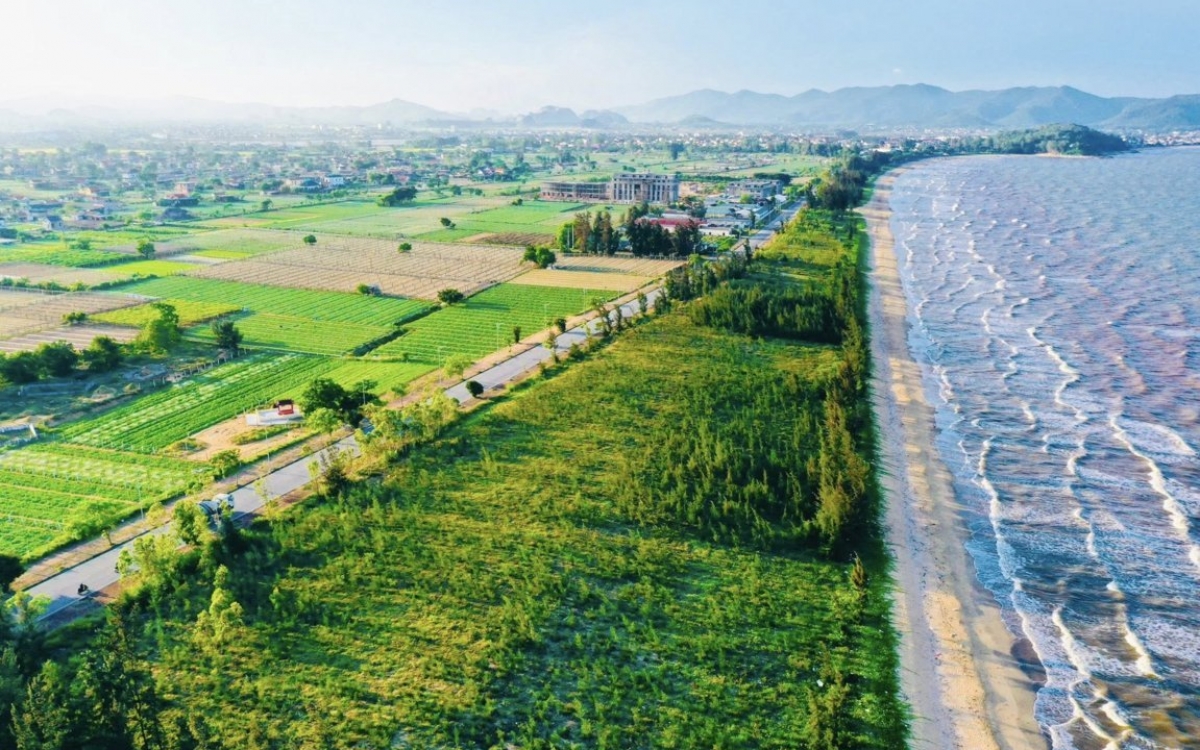
Buổi sáng tại làng biển: Hành trình chữa lành tâm hồn tại Quang Khởi Wellness & Retreat
Bạn có bao giờ tự hỏi, sự bình yên thật sự có hình dáng thế nào? Tại một làng biển nhỏ, nơi ánh bình minh khẽ chạm mặt nước và mùi đất mới quyện cùng gió biển, có một nhịp sống đang âm thầm chữa lành những tâm hồn mỏi mệt.
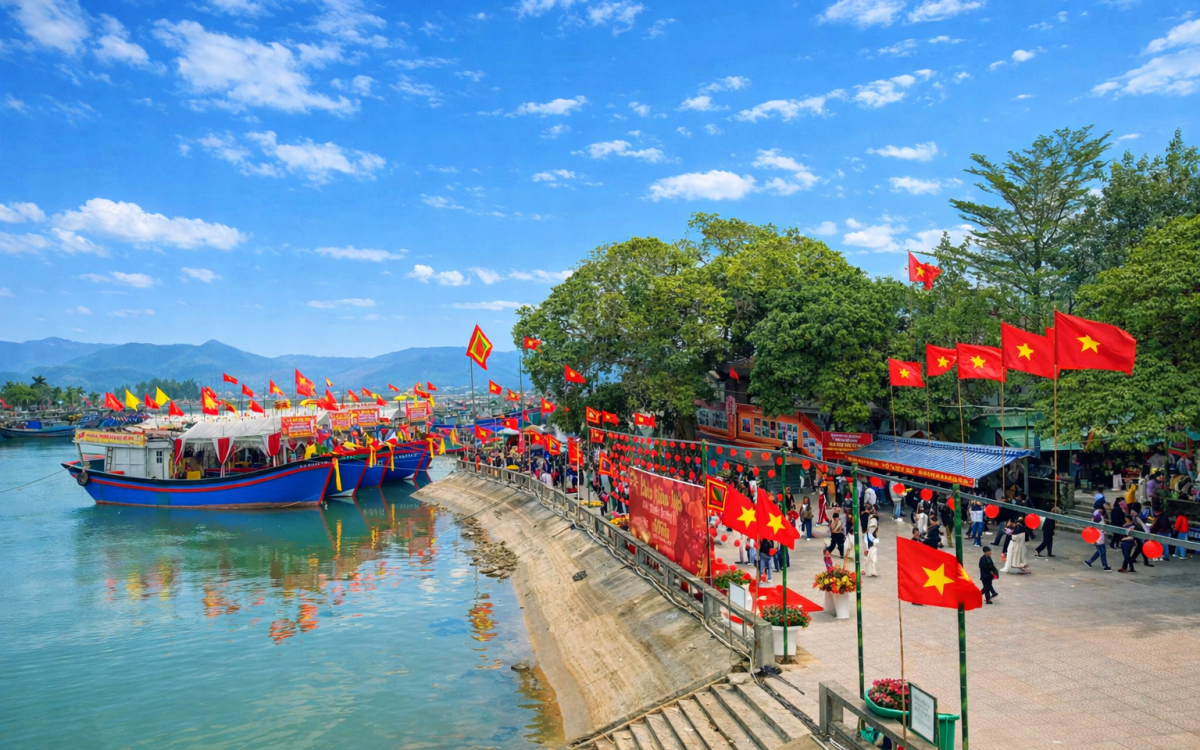
Đền Cờn xứ Nghệ - Điểm hành hương linh thiêng mỗi độ xuân về
Mỗi dịp Tết đến, xuân về, hàng vạn du khách thập phương lại tìm về đền Cờn (phường Quỳnh Mai, Nghệ An) để dâng hương, cầu bình an và may mắn cho năm mới. Từ lâu, đền Cờn đã được xem là một trong những ngôi đền linh thiêng bậc nhất xứ Nghệ, nơi hội tụ chiều sâu lịch sử, giá trị kiến trúc đặc sắc và đời sống tín ngưỡng bền bỉ của cư dân vùng biển
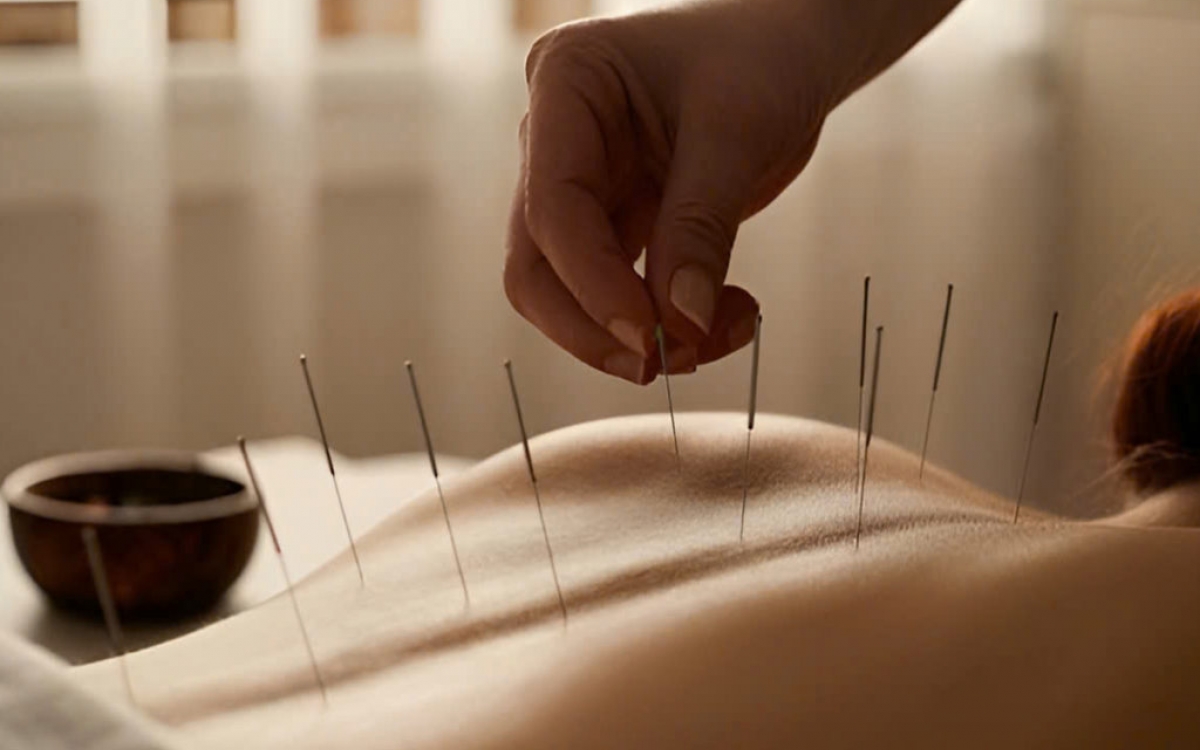
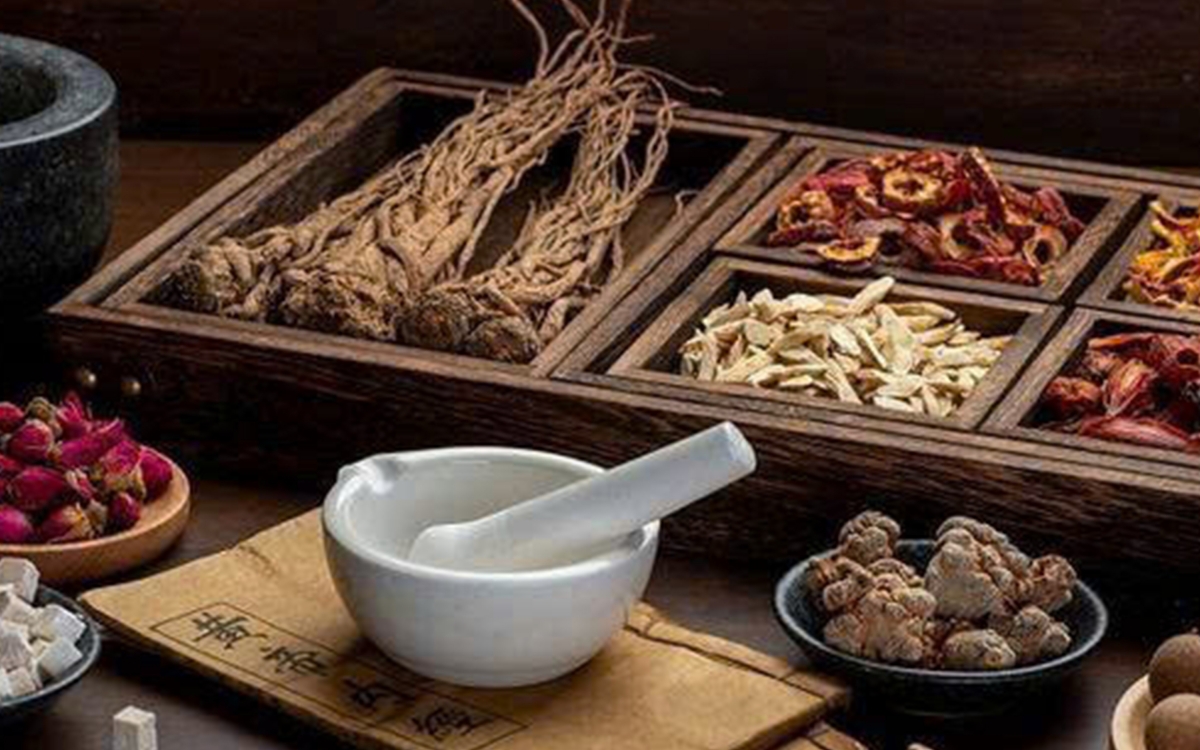
Tinh hoa Y học Cổ truyền & Y học Hiện đại: Sự giao thoa tinh tế cho sức khỏe bền vững
Trong dòng chảy phát triển của y tế, Y học cổ truyền và Y học hiện đại không còn là hai hướng tiếp cận tách biệt. Sự song hành giữa hai nền y học đang dần trở thành một bước tiến nhân văn, mở ra con đường chăm sóc sức khỏe toàn diện, bền vững từ gốc rễ, dựa trên nền tảng chẩn đoán khoa học chính xác và điều trị mang tính cá thể hóa. Đó không chỉ là xu hướng mà là một lựa chọn sâu sắc cho những ai tìm kiếm sự cân bằng lâu dài giữa thể chất, tinh thần và chất lượng sống.
Nghị quyết 72 với Y học cổ truyền: Chính thức hóa vị trí chiến lược
Bộ Chính trị vừa ban hành Nghị quyết 72-NQ/TW “Về một số giải pháp đột phá, tăng cường bảo vệ, chăm sóc và nâng cao sức khỏe nhân dân”. Nghị quyết này là một cuộc cách mạng trong tư duy quản lý y tế, đặc biệt là với ngành Y học cổ truyền. Lần đầu tiên, Y học cổ truyền (YHCT) được đặt vào một vị thế chiến lược, trở thành một trụ cột vững chắc, cùng với y tế dự phòng và y tế cơ sở, để thực hiện mục tiêu chăm sóc sức khỏe toàn diện cho người dân.
Từ bổ trợ đến trụ cột
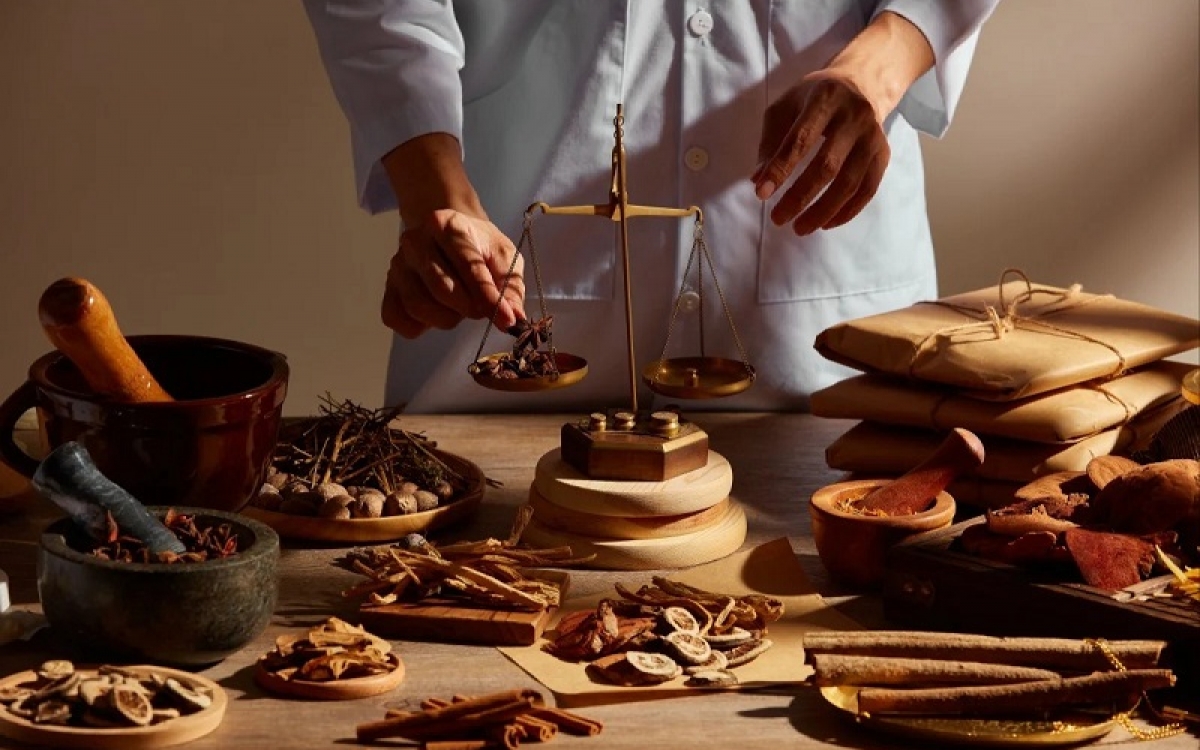
Y học cổ truyền kết hợp hiện đại: Người bệnh hưởng lợi gì từ chính sách mới?
Lần đầu tiên, điều trị bằng y học cổ truyền và kết hợp y học hiện đại được chuẩn hóa thống nhất toàn quốc. Người bệnh có thêm lựa chọn an toàn, giảm rủi ro, giảm chi phí, nhất là với bệnh mạn tính và phục hồi sau bệnh nặng.

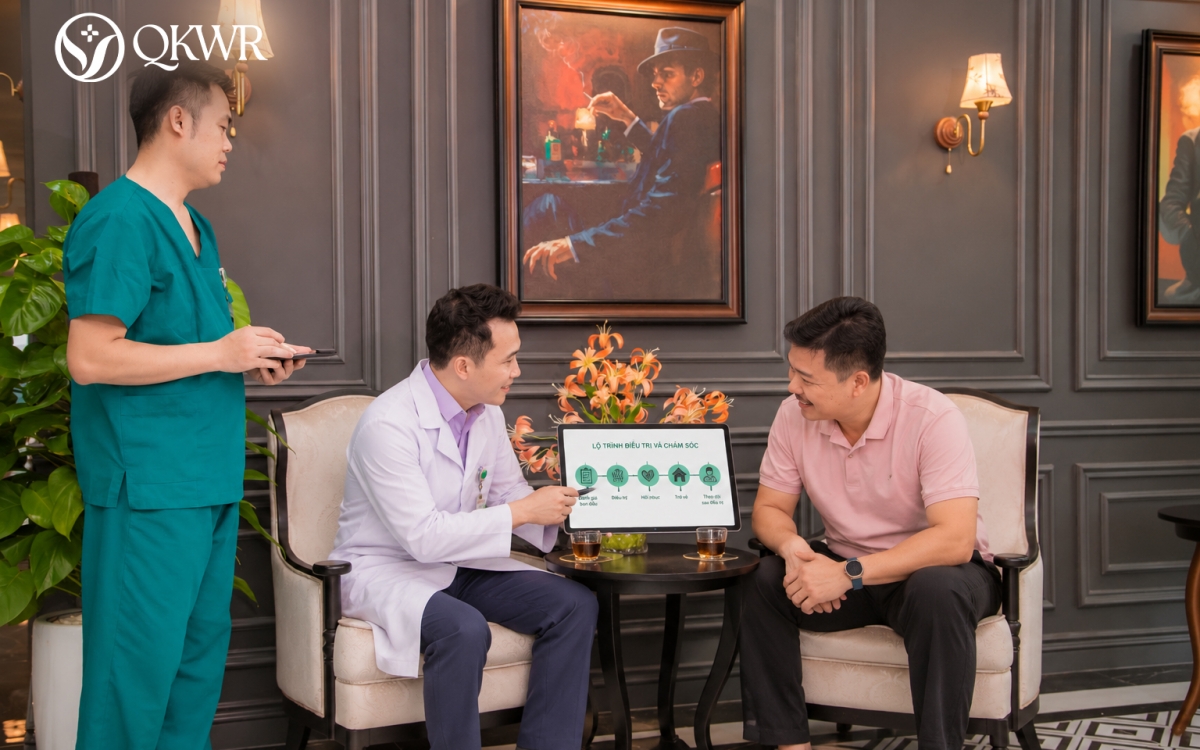
Tại sao mỗi người cần một lộ trình trị liệu riêng thay vì các gói dịch vụ đại trà?
Trong kỷ nguyên của Wellness – sống khỏe chủ động, chăm sóc sức khỏe không còn dừng lại ở việc “đi nghỉ để thư giãn” hay lựa chọn những gói dịch vụ có sẵn. Ngày càng nhiều người nhận ra một thực tế quan trọng: Cùng một liệu pháp có thể là chìa khóa phục hồi với người này, nhưng lại không mang lại hiệu quả tương xứng cho người khác.
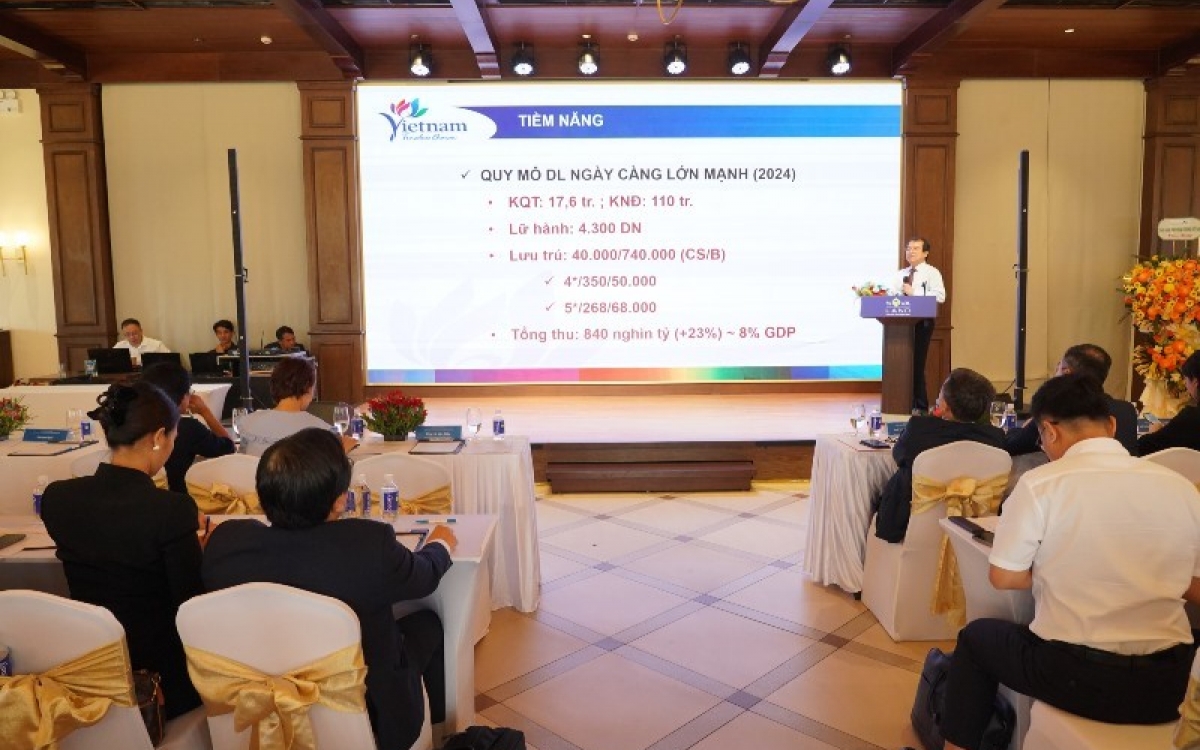


Tại Quang Khởi Wellness & Retreat, chúng tôi mong bạn thay đổi cách nhìn về “sức khỏe”
Quang Khởi Wellness & Retreat lựa chọn một cách tiếp cận khác về sức khoẻ. Chúng tôi không dừng lại ở quan niệm đơn giản rằng “không đau, không sốt, không nhập viện là khỏe”, mà hướng đến một cách nhìn trọn vẹn hơn: sức khỏe là trạng thái hài hòa của thân - tâm - trí, được chăm sóc và nuôi dưỡng mỗi ngày.

Quang Khởi Wellness & Retreat - Xóa nhòa ranh giới giữa bệnh viện và khu nghỉ dưỡng
Trong bối cảnh nhu cầu chăm sóc sức khỏe toàn diện ngày càng được quan tâm, mô hình nghỉ dưỡng đơn thuần đang dần chuyển mình sang những không gian phục hồi có chiều sâu, nơi việc nghỉ ngơi không chỉ để thư giãn mà còn để tái tạo thân - tâm - trí. Quang Khởi Wellness & Retreat được hình thành từ chính tinh thần ấy, với định hướng phát triển khác biệt: đặt y khoa làm nền tảng cho mọi trải nghiệm nghỉ dưỡng.
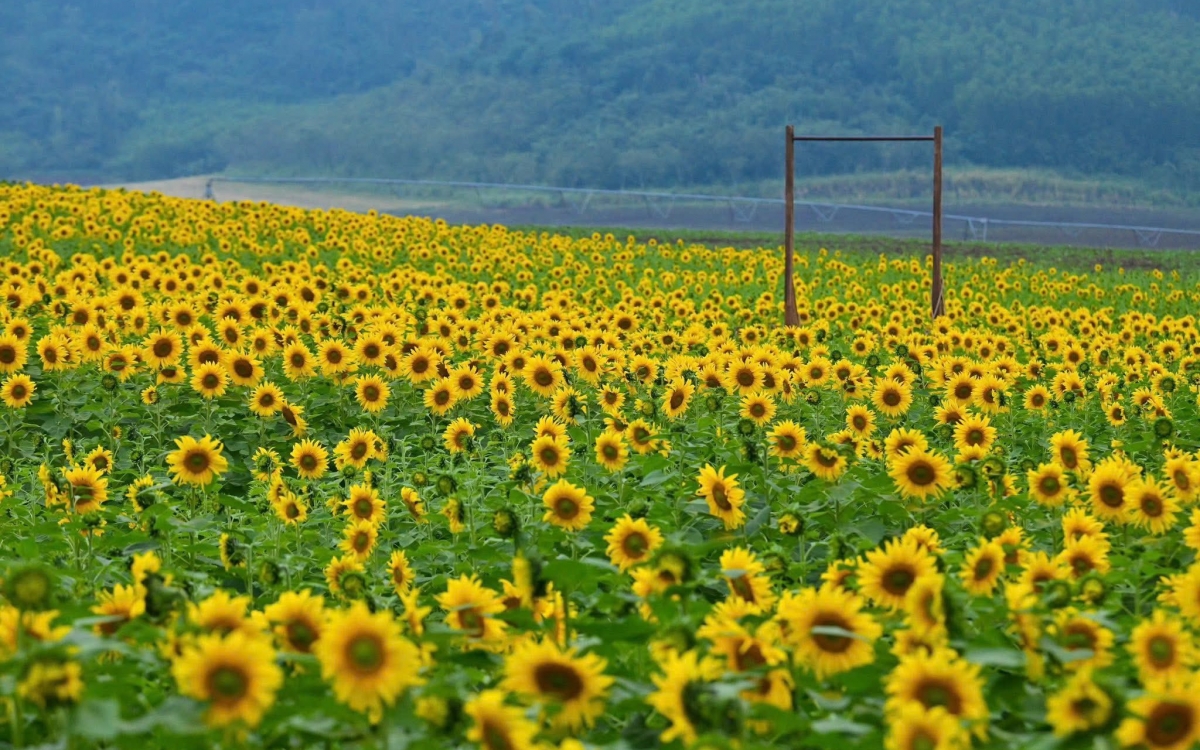
Đồi hoa hướng dương Nghĩa Đàn - Sắc vàng trải dài giữa miền Tây xứ Nghệ
Mỗi năm, khi những triền đồi Nghĩa Đàn bước vào mùa nắng đẹp, đồi hoa hướng dương lại bừng nở, phủ lên vùng đất miền Tây Nghệ An một sắc vàng rực rỡ và đầy sức sống. Hàng triệu bông hoa đồng loạt hướng về phía mặt trời, tạo nên một khung cảnh khoáng đạt, trải dài bất tận, thu hút du khách từ nhiều vùng miền tìm về chiêm ngưỡng.
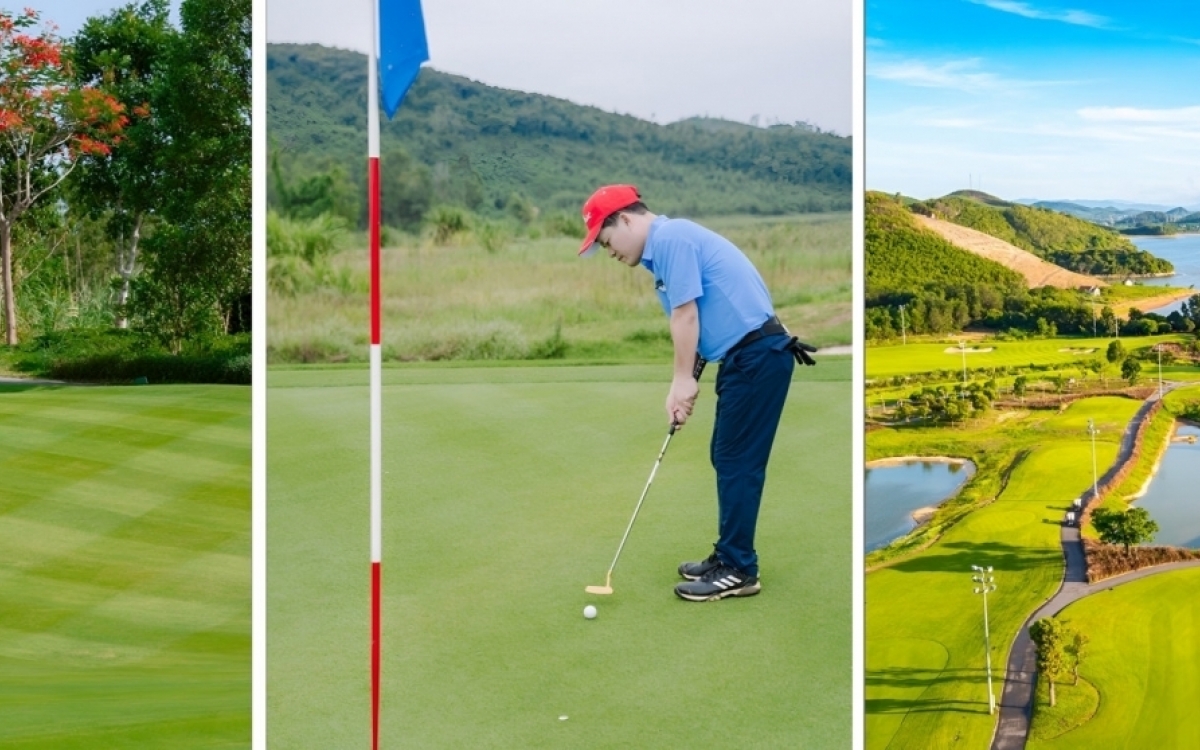
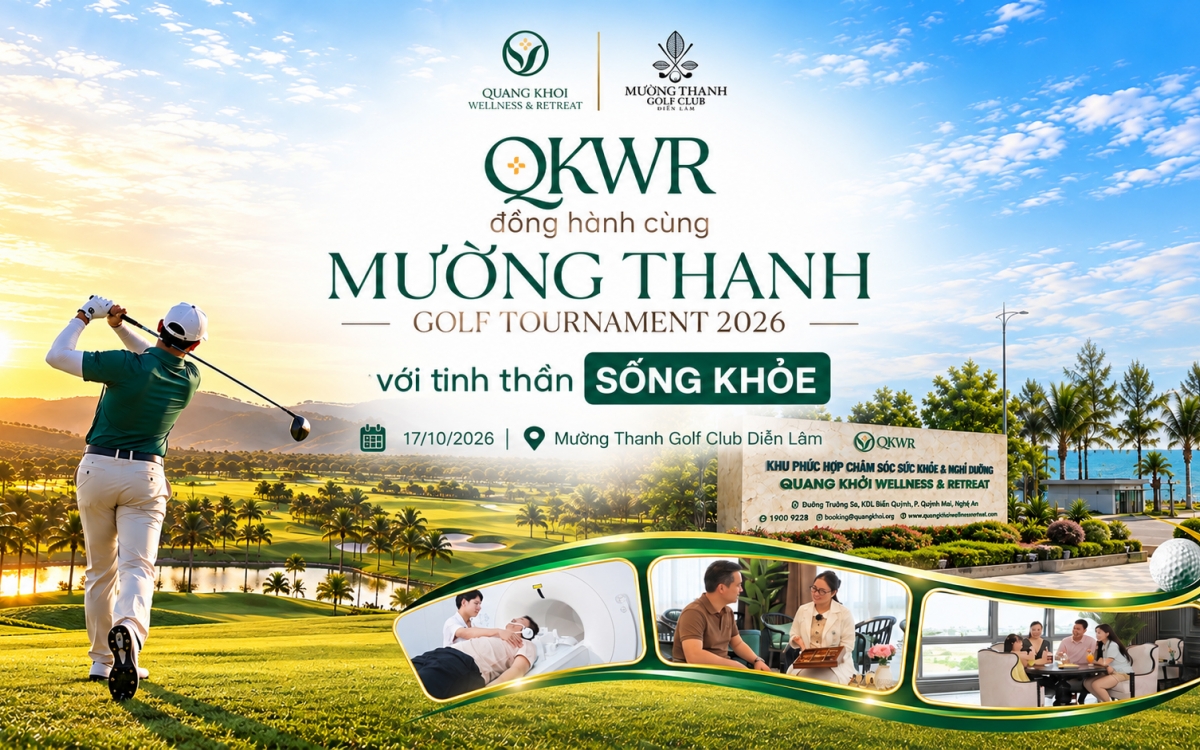
Sân Golf Mường Thanh Diễn Lâm – Điểm đến chơi golf lý tưởng gần Quang Khởi Wellness & Retreat
Chỉ khoảng một giờ di chuyển từ Quang Khởi Wellness & Retreat, Sân Golf Mường Thanh Diễn Lâm hiện lên như một điểm đến được lựa chọn bởi những người yêu golf và trân trọng giá trị của một lối sống cân bằng. Giữa không gian thiên nhiên rộng mở của miền Trung, nơi đây không chỉ dành cho những cú swing chuẩn xác, mà còn dành cho những khoảng lặng cần thiết để cơ thể và tinh thần được tái tạo.
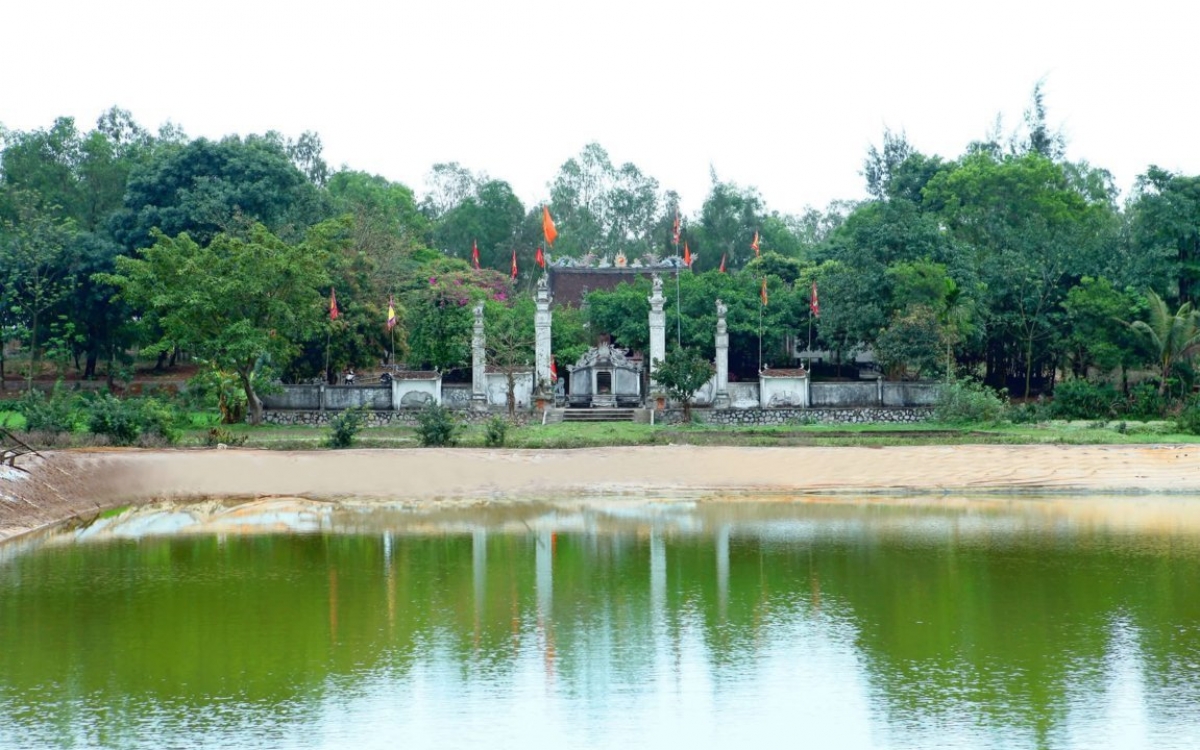
Đền Xuân Úc – Nơi linh khí sông biển giao hoà, dấu ấn nghìn năm lịch sử
Chỉ 10 phút di chuyển từ Quang Khởi Wellness & Retreat, men theo những cung đường ven biển lộng gió và dòng sông Mơ hiền hòa, Đền Xuân Úc hiện ra như một khoảng lắng linh thiêng giữa miền đất giàu trầm tích lịch sử. Nơi đây không chỉ là điểm đến tâm linh tiêu biểu của xứ Nghệ, mà còn là mạch nối sâu sắc giữa hành trình nghỉ dưỡng phục hồi thân tâm tại Quang Khởi và không gian văn hóa nghìn năm, nơi con người tìm về sự an yên, tĩnh tại và những giá trị bền vững của cội nguồn dân tộc.
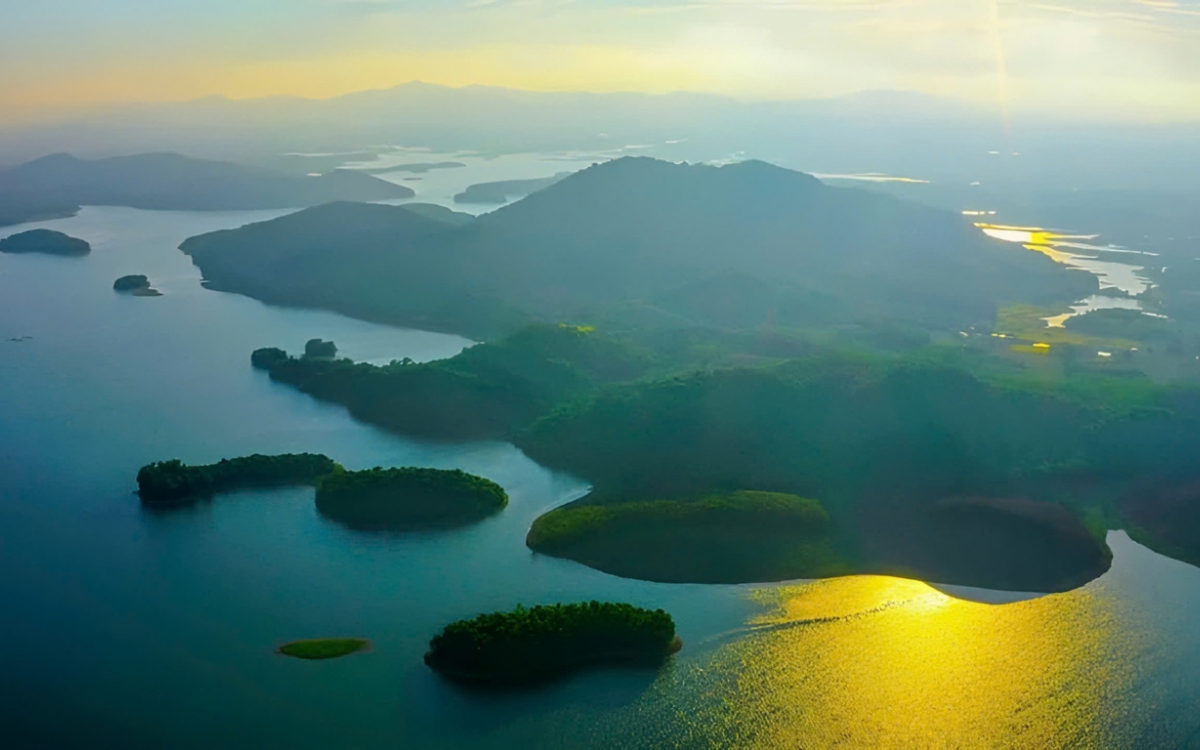
Hồ Vực Mấu – Bức tranh thiên nhiên trong trẻo của Bắc Nghệ An
Chỉ cách Quang Khởi Wellness & Retreat 20km Hồ Vực Mấu trở thành một phần không thể thiếu của hành trình tái tạo năng lượng. Từ phức hợp, bạn chỉ cần di chuyển 15–20 phút để mở ra một không gian nơi mây trời, hồ nước và núi đồi đan vào nhau, tạo thành bảng hòa âm hoàn mỹ của thiên nhiên.
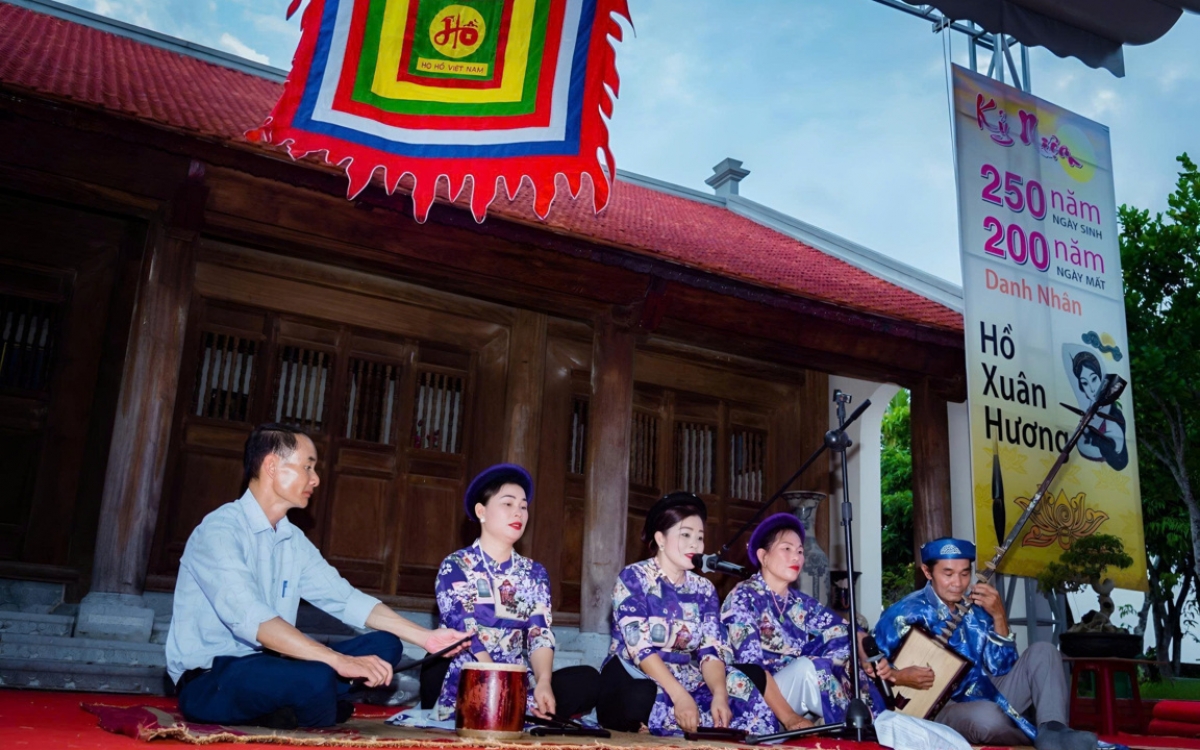
Hành trình khám phá Quỳnh Đôi: Ngôi làng địa linh nhân kiệt cội nguồn của Bà Chúa thơ Nôm Hồ Xuân Hương
Khám phá làng Quỳnh Đôi vùng đất địa linh nhân kiệt, quê gốc của thân phụ nữ sĩ Hồ Xuân Hương, với hơn 700 năm văn hóa học thuật. Chỉ cách Quang Khởi Wellness & Retreat 10 km, du khách dễ dàng kết hợp tham quan và trải nghiệm wellness chuẩn quốc tế.
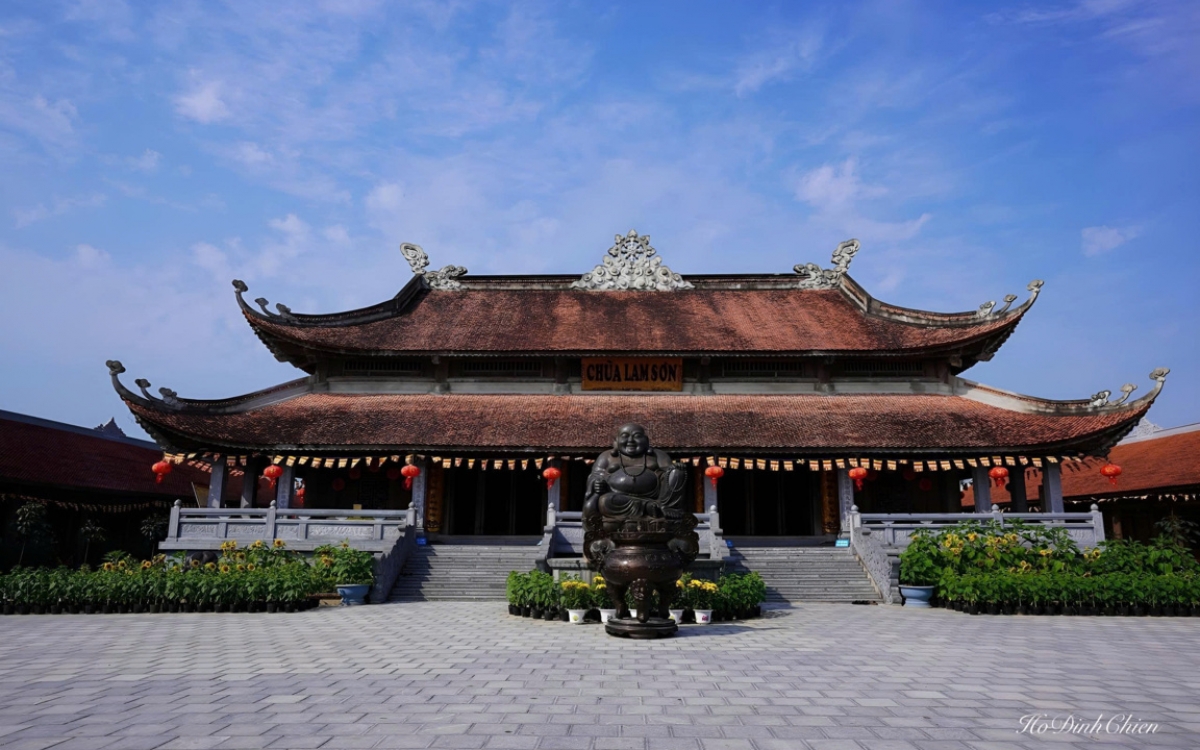
Về Quỳnh Anh chiêm ngưỡng ngôi chùa bằng gỗ lớn nhất xứ Nghệ
Chỉ cách Quang Khởi Wellness & Retreat một quãng đường rất gần, Chùa Lam Sơn nằm yên bình giữa màu xanh của rừng thông và những nếp làng mộc mạc ven biển Quỳnh. Đây là điểm dừng chân lý tưởng cho du khách tìm lại sự tĩnh tâm trong hành trình nghỉ dưỡng và chăm sóc sức khỏe tại Quang Khởi.
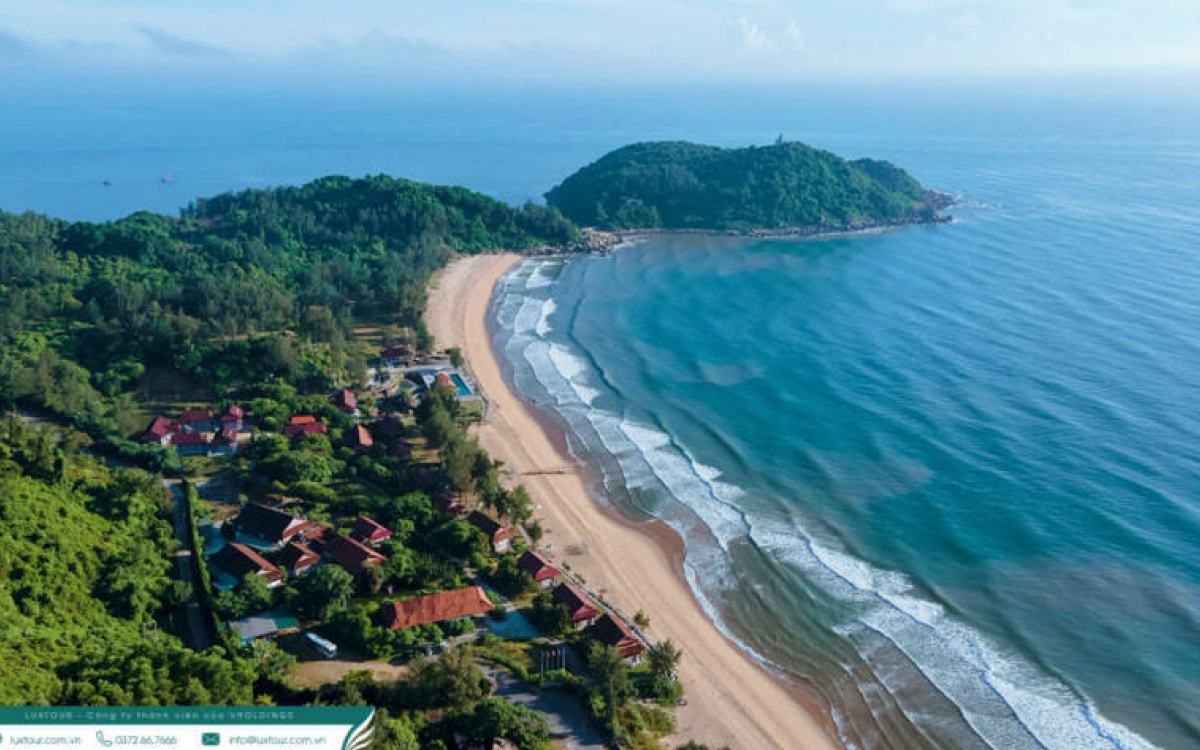
Biển Quỳnh mùa cuối năm - Vẻ đẹp bình yên và nguyên sơ
Vào những ngày cuối năm, khi nhịp sống hối hả dần chậm lại, Biển Quỳnh (Nghệ An) khoác lên mình một diện mạo khác: trầm tĩnh, nguyên sơ và an yên đến lạ. Không còn những con sóng rộn ràng mùa hè hay sắc nắng rực rỡ của tháng cao điểm du lịch, vùng biển này chuyển sang gam màu dịu nhẹ, mang vẻ đẹp của sự tĩnh lặng – nơi mỗi du khách có thể tìm thấy một khoảng thở riêng giữa nhịp sống hiện đại.
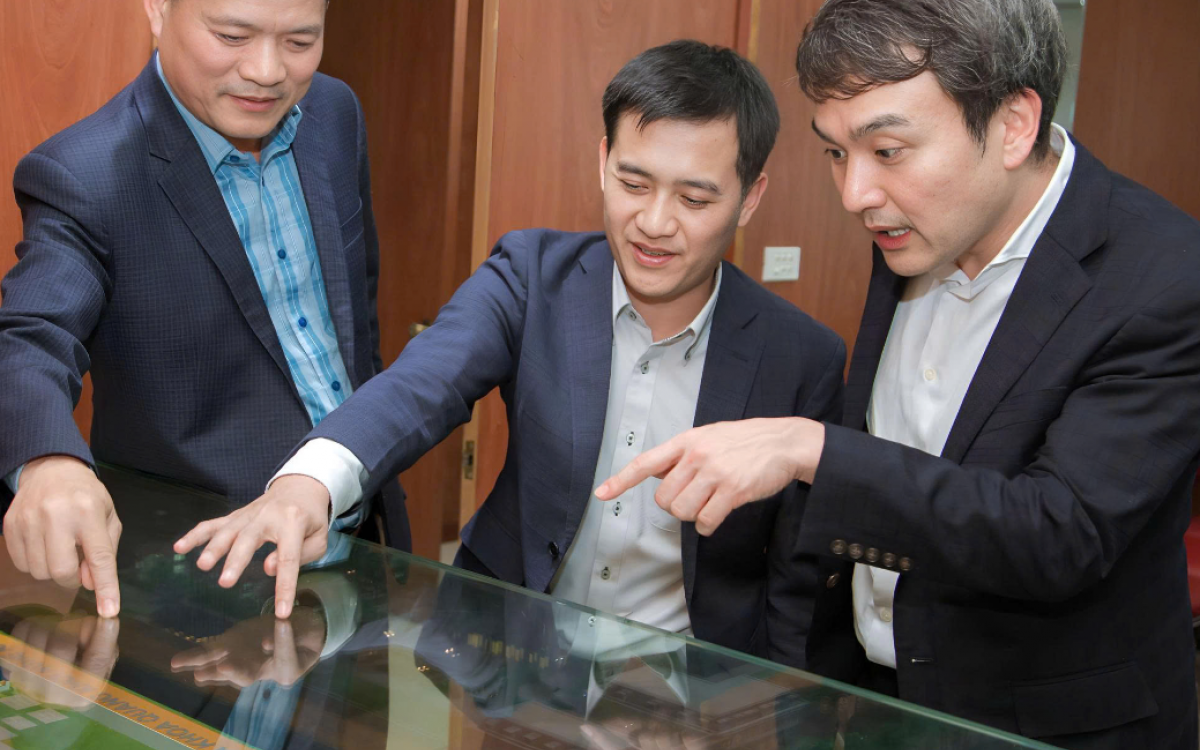
Tập đoàn tế bào gốc số 1 Nhật Bản nhận định Quang Khởi là “mảnh ghép hoàn hảo” cho hợp tác chăm sóc sức khỏe dài hạn
Ông Furuyama - CEO Tokyo Relife Group (Nhật Bản) cùng đoàn công tác vừa có chuyến thăm và làm việc tại Bệnh viện Đa khoa Quang Khởi, mở ra kỳ vọng về một chặng hợp tác mới giữa đơn vị dẫn đầu Nhật Bản trong lĩnh vực y học tái tạo và tổ hợp chăm sóc sức khỏe - nghỉ dưỡng tích hợp Quang Khởi Wellness & Retreat tại biển Quỳnh.
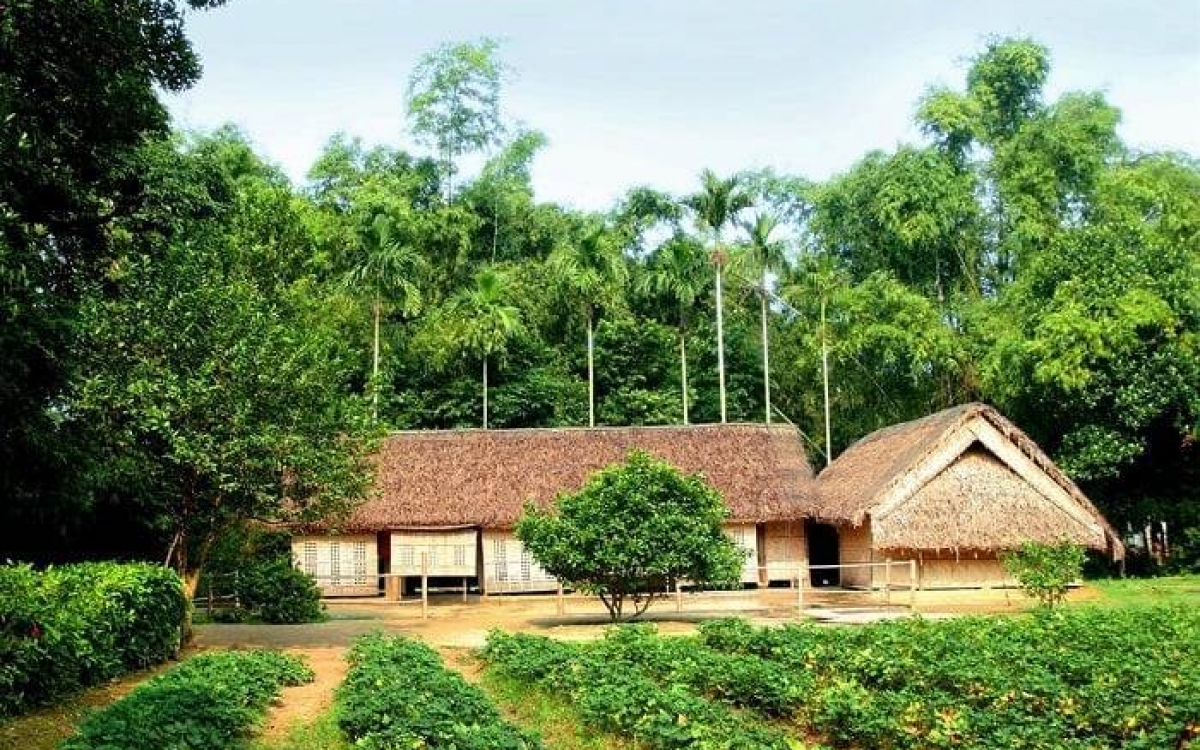
Khu Di tích đặc biệt Kim Liên – Quê hương Chủ tịch Hồ Chí Minh: Chốn linh thiêng của xứ Nghệ
Khu Di tích Kim Liên – quê hương Chủ tịch Hồ Chí Minh từ lâu được xem là “địa chỉ đỏ” của du lịch Nghệ An. Đây là nơi gìn giữ ký ức về tuổi thơ và nền tảng hình thành nhân cách của Người, đồng thời là điểm đến văn hóa – lịch sử mang giá trị tinh thần đặc biệt đối với người dân Việt Nam.
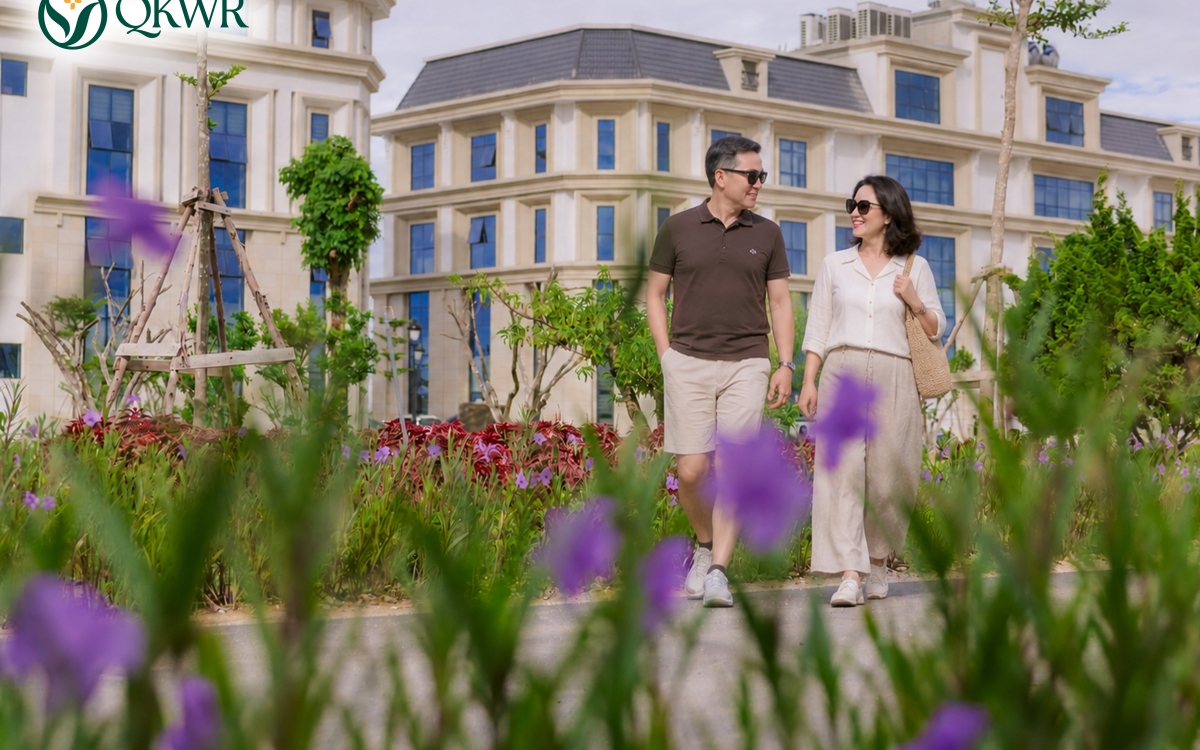
Khu nghỉ dưỡng và chăm sóc sức khoẻ Quang Khởi Wellness & Retreat sắp chính thức ra mắt
Quang Khởi Wellness & Retreat đang bước vào giai đoạn hoàn thiện cuối cùng và dự kiến mở cửa đón du khách vào đầu năm 2026 (Âm lịch). Với quy mô lớn nhất từ trước đến nay tại biển Quỳnh, tổ hợp này được kỳ vọng trở thành dấu ấn mới trên bản đồ du lịch Việt Nam, đồng thời mở ra hướng phát triển mới cho phân khúc nghỉ dưỡng – chăm sóc sức khỏe cao cấp tại Bắc Trung Bộ.
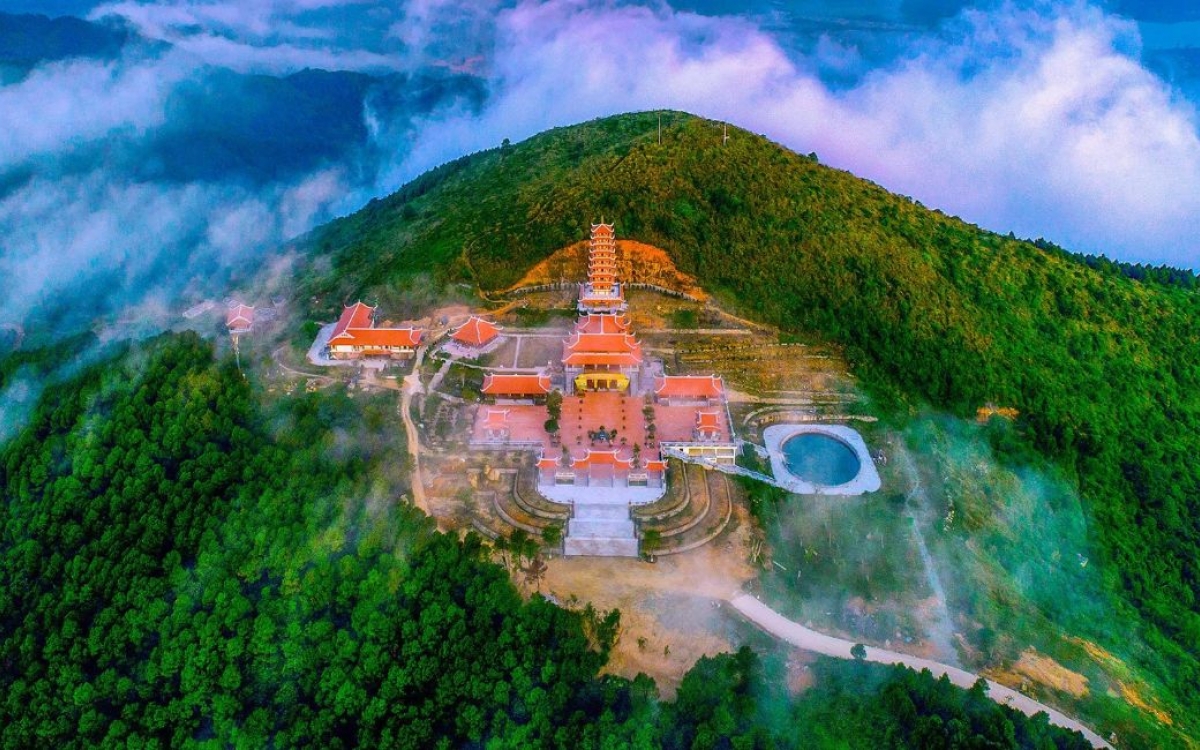
Chùa Đại Tuệ – Điểm đến tâm linh giữa đại ngàn, hành trình không thể bỏ lỡ khi ghé Quang Khởi Wellness & Retreat
Giữa miền đất Nghệ An thấm đượm chiều sâu văn hóa và lịch sử, Chùa Đại Tuệ hiện lên như một điểm chạm linh thiêng giữa đại ngàn. Ngôi chùa nằm lưng chừng mây, nơi núi, trời, sông, nước giao hòa, tạo nên cảnh quan khoáng đạt hiếm có. Với độ cao gần 500m trên dãy Đại Huệ, Chùa Đại Tuệ không chỉ hấp dẫn bởi vẻ đẹp tâm linh mà còn bởi không khí trong trẻo, tầm nhìn rộng mở và những câu chuyện lịch sử xuyên suốt nhiều triều đại.
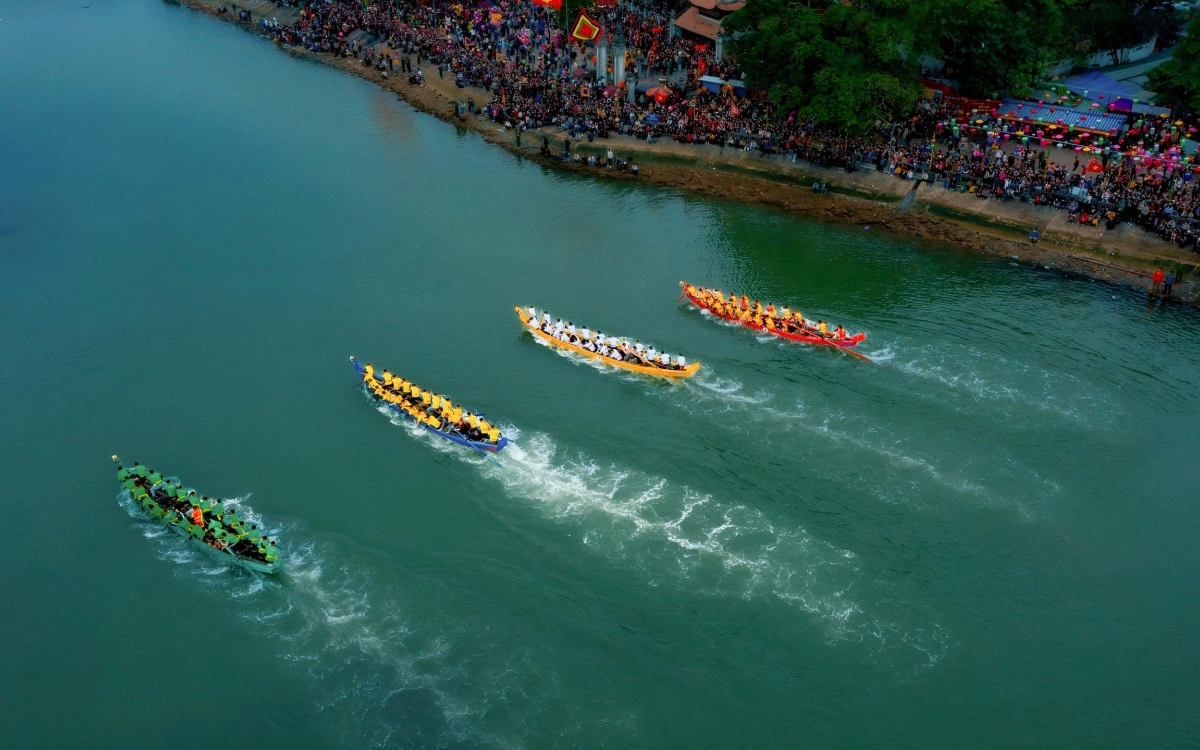
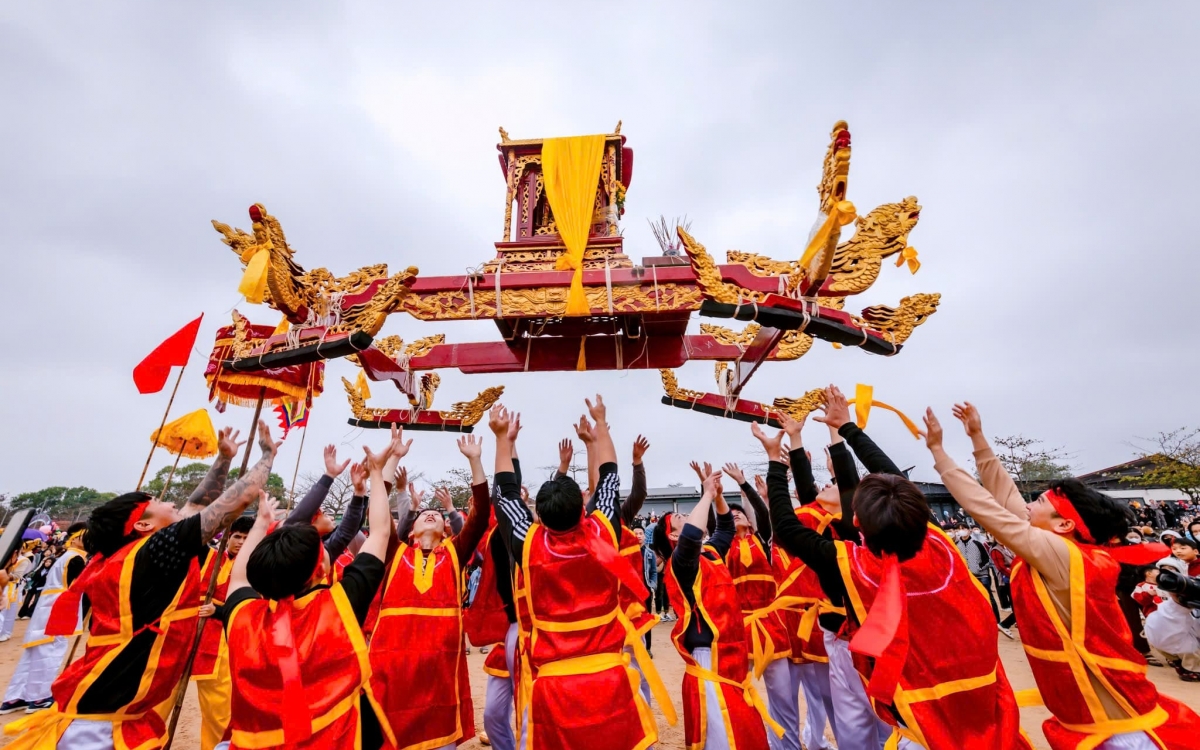
Lễ hội đền Cờn và những giá trị lịch sử - văn hóa
Lễ hội đền Cờn và những giá trị lịch sử - văn hoá
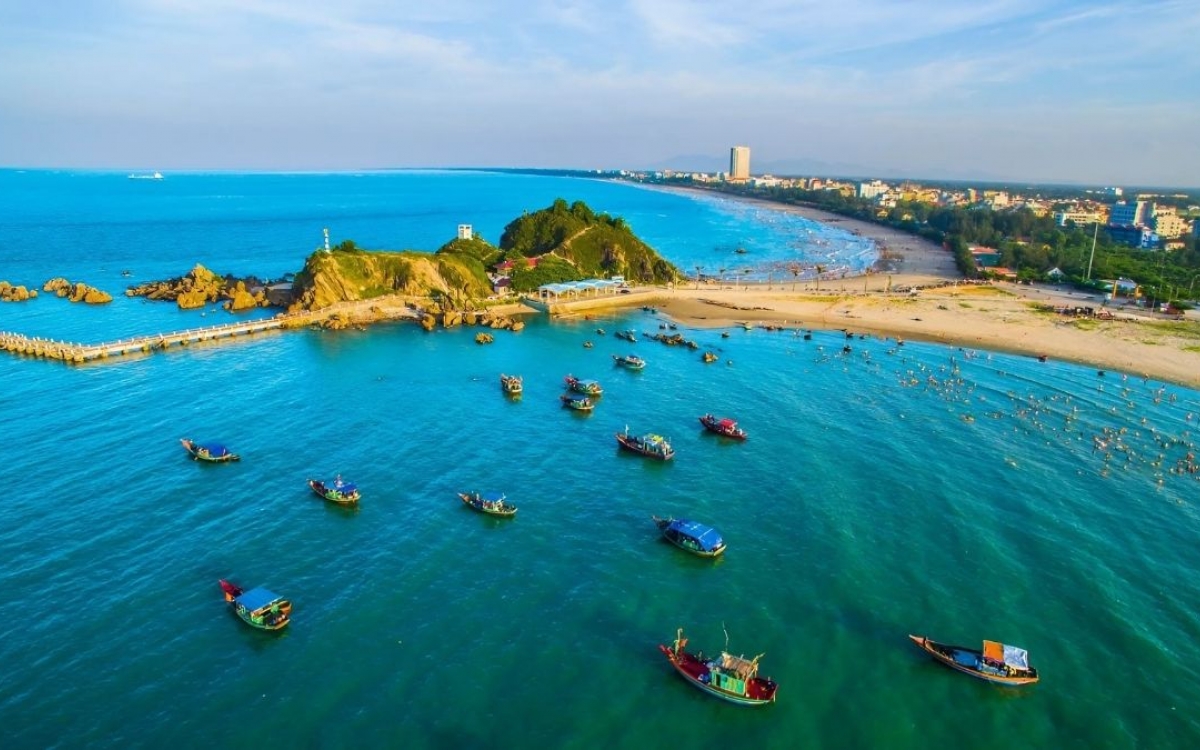
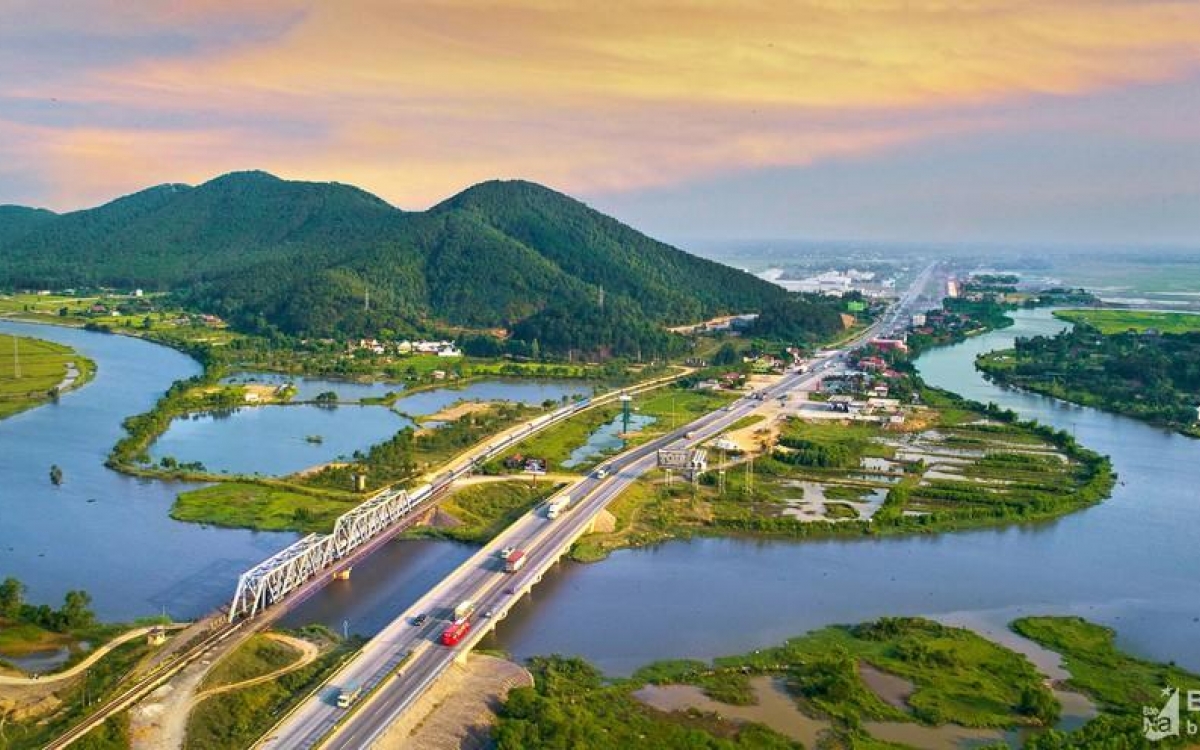
Toạ độ chiến lược tạo nên sức hút của Quang Khoi Wellness &Retreat trên bản đồ wellness Việt Nam
Giữa dải đất Bắc Trung Bộ giàu nắng gió, Quang Khoi Wellness & Retreat nổi lên như một trung tâm chăm sóc sức khoẻ nghỉ dưỡng mang tầm khu vực, không chỉ nhờ mô hình độc đáo kết hợp y khoa chuyên sâu với dịch vụ wellness cao cấp, mà còn bởi một lợi thế hiếm có: vị trí địa lý chiến lược bậc nhất Nghệ An. Từ đây, du khách như bước vào một giao điểm lý tưởng giữa thiên nhiên, văn hoá và mạng lưới giao thông liên vùng, mở ra hành trình chăm sóc sức khoẻ trọn và thuận lợi hơn bao giờ hết. Giữa dải đất Bắc Trung Bộ giàu nắng gió, Quang Khoi Wellness & Retreat nổi lên như một trung tâm chăm sóc sức khoẻ nghỉ dưỡng mang tầm khu vực, không chỉ nhờ mô hình độc đáo kết hợp y khoa chuyên sâu với dịch vụ wellness cao cấp, mà còn bởi một lợi thế hiếm có: vị trí địa lý chiến lược bậc nhất Nghệ An. Từ đây, du khách như bước vào một giao điểm lý tưởng giữa thiên nhiên, văn hoá và mạng lưới giao thông liên vùng, mở ra hành trình chăm sóc sức khoẻ trọn và thuận lợi hơn bao giờ hết.
A Curated List of 15 Must-Visit Destinations in Nghệ An for 2025
Have you heard of Nghe An — a land that gathers stunning landmarks and a culture rich in identity? Known as a place of “sacred land and talented people” with a deep historical legacy, Nghe An enchants visitors not only with turquoise beaches and majestic mountains, but also with countless Nghe An tourist attractions you simply can’t miss.
Nghe An – The Hidden Beauty of Vietnam’s Next 5 Years of Resort Tourism
As soon as tourism bounced back, famous beach destinations quickly became crowded again, especially during major holiday periods. Naturally, newly discovered coastal areas with untouched beauty and high resort potential have become the next targets for leading developers.
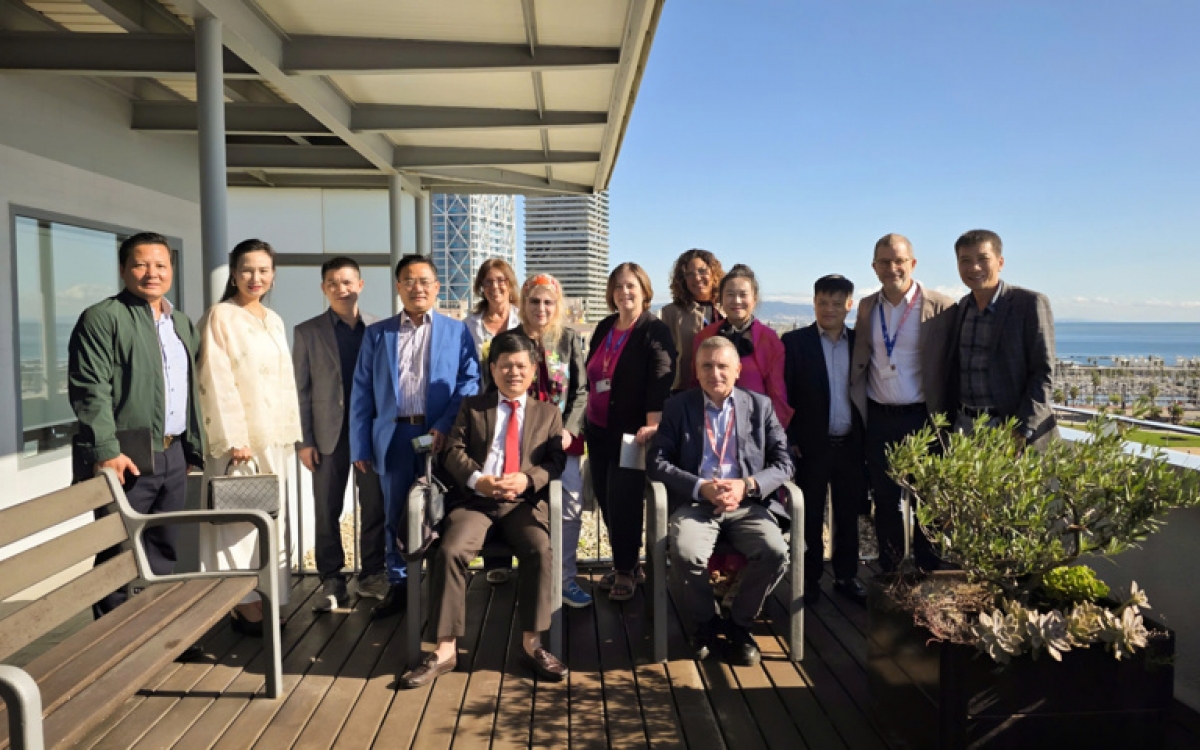
Leaders of Quang Khởi General Hospital Explore Medical Tourism Models in Europe
On the journey to realize its vision of becoming a provider of healthcare and wellness services that meet regional and international standards, Quang Khoi General Hospital has defined a strategic direction to develop a unique seaside medical tourism model.
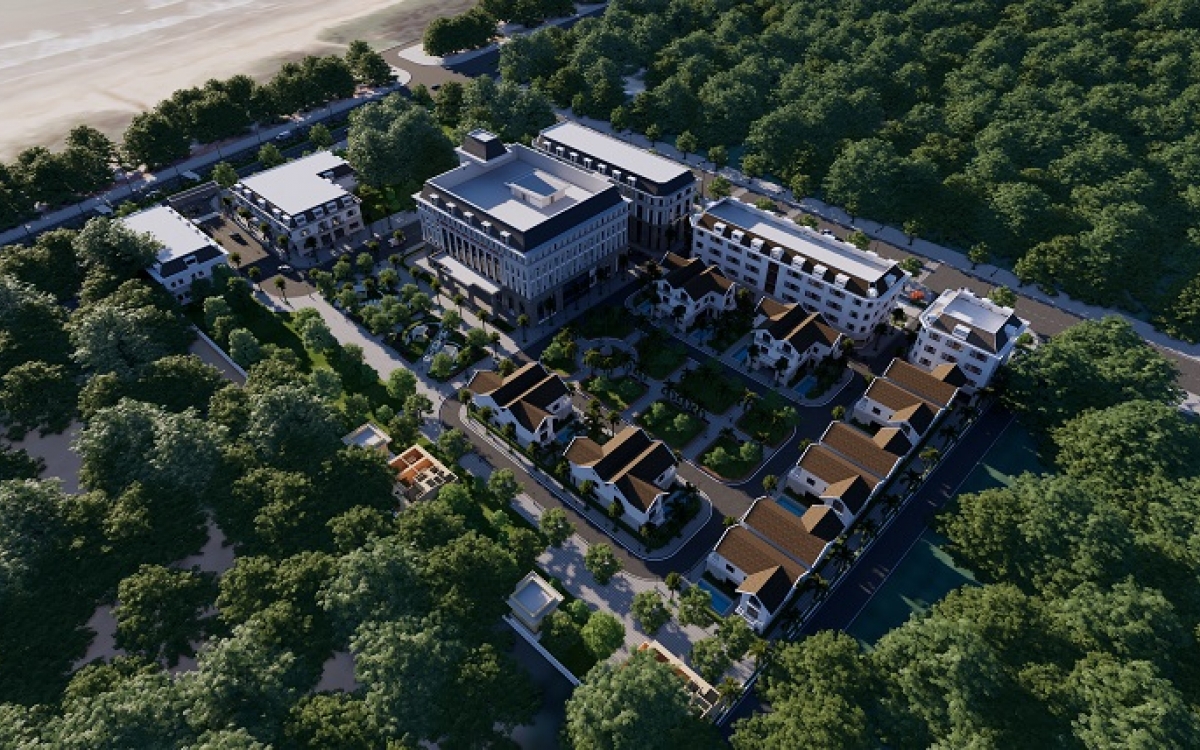
Quang Khoi Wellness & Resort – A New Icon of Vietnam’s Recovery Tourism
Amid the global rise of “wellness tourism,” the need for energy restoration and mental well-being has become a growing priority for travelers. In many developed countries, this sector has already evolved into a multi-billion-dollar industry, giving rise to large-scale healing and wellness hubs across Europe, Japan, Thailand, and Indonesia.